
Beautiful Plants For Your Interior
Beautiful Plants For Your Interior
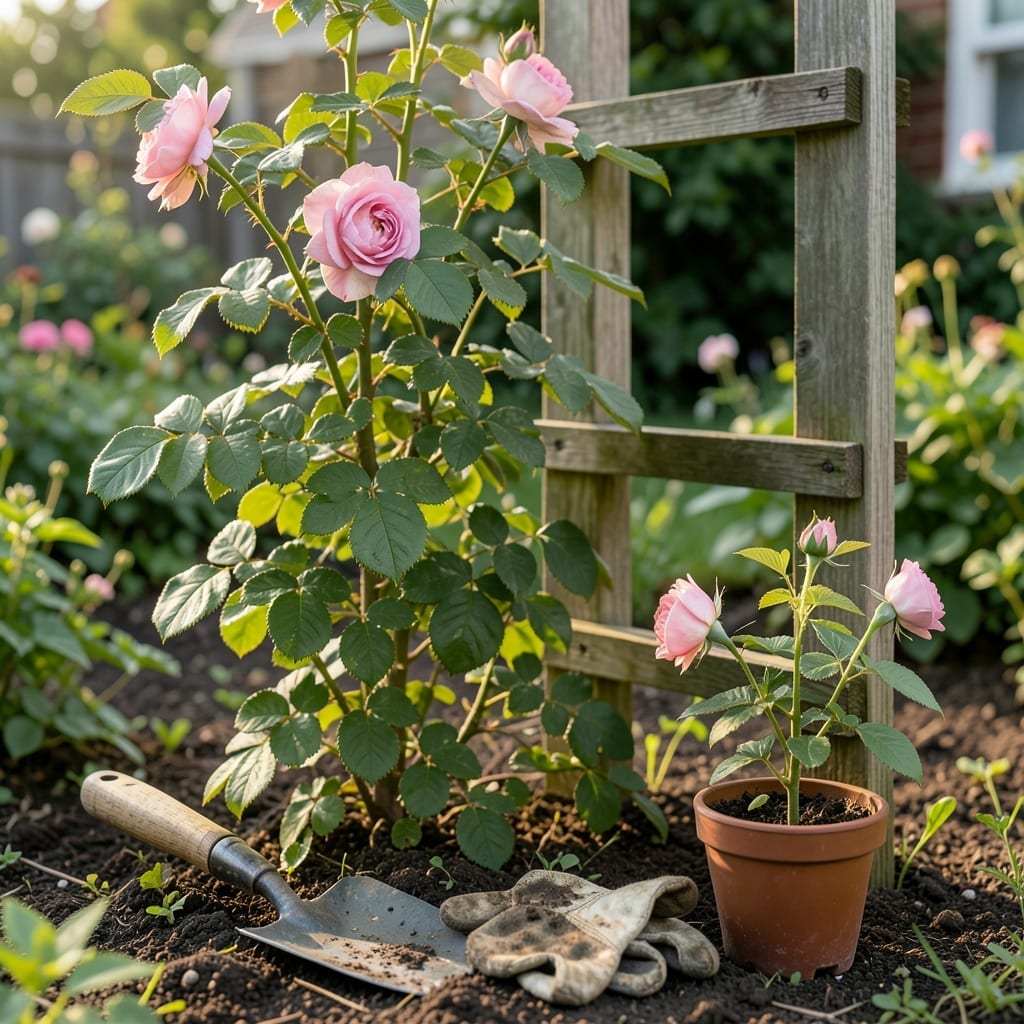
There’s something magical about watching 🌹 Climbing Roses scale a trellis or fence, transforming your space into a living work of art. But here’s the thing: timing is everything when it comes to planting these beauties.
Get it right, and you’ll be rewarded with vibrant blooms and healthy growth. Get it wrong, and you might struggle with weak plants or lackluster flowers. I’ve seen both scenarios play out in gardens across zone 6.
That’s why understanding the best windows for planting is so crucial. It’s not just about picking a date—it’s about setting your Climbing Roses up for long-term success.
Let me walk you through what I’ve learned about when to plant these stunning vines for maximum impact. You’ll be amazed at the difference the right timing can make.


Timing is crucial for climbing roses to establish strong roots and produce vibrant blooms. The ideal window varies by USDA zone, but generally falls in early spring or fall when conditions are mild.
In colder zones (3-5), aim for spring planting after the last frost, giving roots time to settle before winter. For warmer zones (7-11), fall planting allows roses to establish before summer heat.
| USDA Zone | Best Season | Ideal Months | Soil Temp |
|---|---|---|---|
| 3-5 | Early Spring | April-May | 50-60°F |
| 6-7 | Spring/Fall | March-April or Sept-Oct | 55-65°F |
| 8-11 | Fall | Oct-Nov | 60-70°F |
For zone 6, where I often garden, early spring (after April 15) or fall (before October 15) works best. This gives 180 frost-free days for robust growth.
Soil temperature is key. 50-60°F is perfect for root development. Use a soil thermometer to check before planting. Too cold, and roots won’t grow; too hot, and the plant may stress.
In zone 8 and warmer, avoid summer planting. The heat can stress young roses, making it harder for them to establish. Fall planting (before the first frost) is ideal here.
Container-grown roses offer more flexibility. They can be planted anytime during the growing season, but still avoid extreme heat or cold snaps for best results.
If you’re in a mild winter zone (9-11), you can plant as late as November. Just ensure the roses have enough time to root before any unexpected cold.
For bare-root roses, late winter (while dormant) is ideal in warmer zones. In colder areas, wait until early spring when the ground is workable.
Remember, local microclimates matter. A south-facing wall can create a warmer spot, allowing for slightly earlier planting. Always observe your garden’s unique conditions. 🌹
I always start by selecting the perfect sunny spot for my climbing roses. These vines thrive with 6+ hours of direct sunlight daily, so a south-facing location is ideal. Avoid low areas where water pools.
Next, I test the soil drainage—climbing roses hate soggy roots! I dig a 12-inch hole, fill it with water, and check if it drains within an hour. If not, I amend with compost or sand.
I also ensure the support structure is sturdy enough. A trellis or fence works well, but I avoid placing it too close to walls—air circulation is key to preventing diseases like black spot.
For soil, I mix in aged manure or peat moss to improve fertility. Climbing roses are heavy feeders, so rich, well-draining soil gives them the best start. I avoid fresh manure—it can burn tender roots.
If my soil is clay-heavy, I add gypsum or sand to loosen it. For sandy soil, I mix in compost to retain moisture. The goal is a loamy texture that holds nutrients but drains well.
Finally, I mulch around the base with 2–3 inches of bark to retain moisture and suppress weeds. This simple step keeps roots cool and reduces maintenance. With these prep steps, my climbing roses establish quickly and bloom beautifully! 🌹