
Beautiful Plants For Your Interior
Beautiful Plants For Your Interior
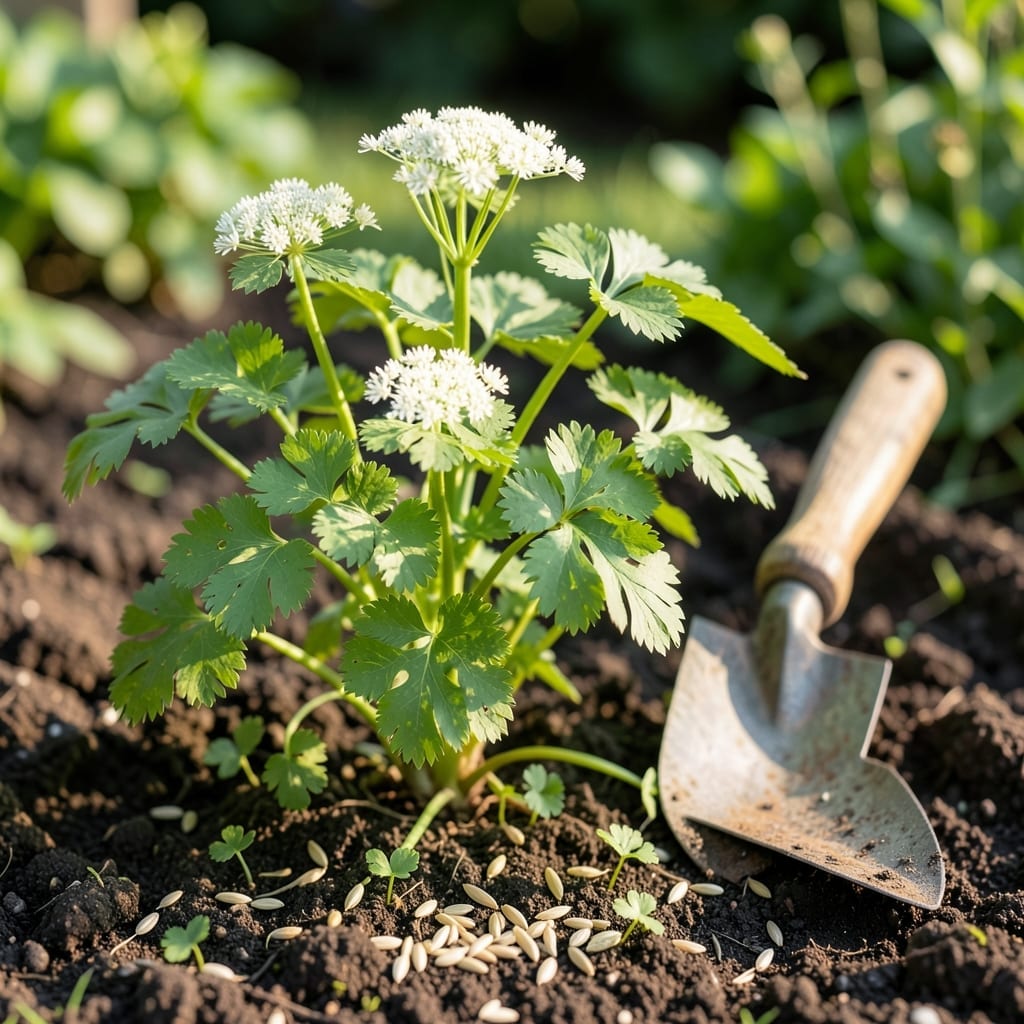
Timing is everything when planting cilantro—plant too late, and it bolts in the heat; plant too early, and cold soil stunts its growth. The 🌿 herb thrives in cool conditions, making spring and fall the best windows.
Whether you’re in zone 6 or adjusting for your local climate, getting the timing right means more flavorful harvests. I’ll share the exact months to start and how to avoid common pitfalls.
Discover how to stretch your harvest with simple succession planting. Let’s dig into the details that make all the difference.

I’ve found that cilantro grows best in cool weather, so timing your planting is crucial. In most regions, spring and fall offer the ideal conditions for this delicate herb. The key is avoiding extreme heat, which causes bolting.
For gardeners in USDA zones 3-6, aim to plant 2-3 weeks after the last frost date. This usually falls in March or April. In warmer zones like 7-10, you can start as early as February or plant again in late summer.
| Region | Planting Window | Notes |
|---|---|---|
| Cool Climates (Zones 3-6) | March-April or Aug-Sept | Avoid frost; plant after last freeze |
| Warm Climates (Zones 7-10) | Feb-March or Sept-Oct | Use shade cloth in summer heat |
| Desert Southwest | Oct-Nov or Jan-Feb | Winter planting avoids extreme heat |
In my experience, soil temperature matters more than air temperature. Cilantro seeds germinate best in 50-70°F soil. Use a soil thermometer to check before planting. If the soil is too cold, seeds may rot or germinate unevenly.
For fall plantings, count backward from your first frost date. Cilantro matures in about 50-70 days, so plant 8-10 weeks before the first expected frost. This gives plants time to establish before cold weather hits.
If you’re in a region with mild winters, like the Pacific Northwest, you can plant cilantro year-round. In these areas, succession planting every 3-4 weeks ensures a continuous supply. Just protect young plants from occasional cold snaps.
I always recommend checking your local frost dates and adjusting based on microclimates. Urban areas, for example, often have warmer microclimates that allow for earlier planting. Container gardening is another great option, as pots can be moved to follow ideal conditions.
Shade cloth can be a game-changer in warmer zones. When temperatures rise above 80°F, providing afternoon shade helps prevent bolting. This is especially useful for summer plantings in zones where cilantro might otherwise struggle.
Remember that cilantro bolts when stressed by heat or long daylight hours. In zones with hot summers, focus on spring and fall plantings. For those in cooler climates, you might get away with a late summer planting if you choose a bolt-resistant variety.
Finally, don’t forget that companion planting can also affect timing. Planting cilantro near taller crops like tomatoes can provide natural shade, extending its growing season. Just ensure the soil stays consistently moist, as cilantro doesn’t tolerate drought well.
🌿I love using succession planting to keep my cilantro harvest going all season. The trick is planting small batches every 2-3 weeks instead of all at once. This prevents gluts and ensures a steady supply of fresh leaves.
Start your first planting in early spring as soon as the soil is workable. Then, make additional plantings every 14-21 days until temperatures consistently stay above 80°F. This timing works well in most regions.
For fall succession, begin planting again in late summer. Count backward from your first frost date and plant a new batch every 2 weeks. This gives you fresh cilantro until winter sets in.
Container gardening makes succession planting even easier. I keep several pots of cilantro on my patio, moving them to shadier spots as temperatures rise. This way, I can control their environment more precisely.
Choose bolt-resistant varieties like ‘Santo’ or ‘Calypso’ for your later plantings. These types handle heat better and give you more time before they flower. Pair them with companion plants like lettuce for natural shade.
Remember that consistent moisture is key for succession planting. Dry soil can cause seeds to germinate unevenly. I use a drip irrigation system on a timer to maintain even moisture between plantings.
🌿