
Beautiful Plants For Your Interior
Beautiful Plants For Your Interior
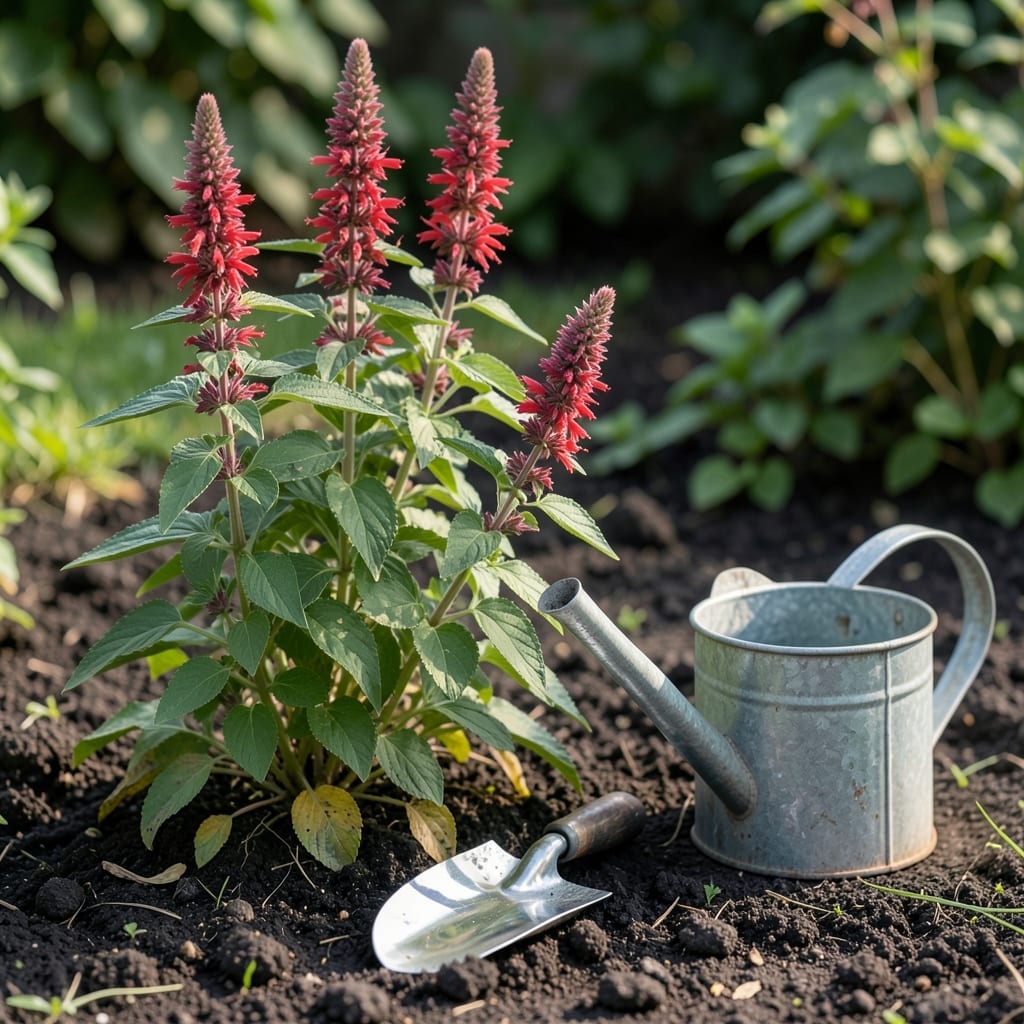
Timing is everything when planting Bee Balm—choose the right season, and you’ll be rewarded with vibrant, pollinator-friendly blooms that thrive year after year.
I’ve seen gardeners struggle when they plant 🌸 Bee Balm at the wrong time, but with the right approach, it’s an easier process than you think. Whether you’re in zone 4-9, the window for success is wider than you’d expect.
Spring and fall both offer unique advantages, and knowing which works best for your climate can make all the difference. Let me walk you through how to pick the ideal moment.
By the end, you’ll understand exactly when to plant and why it sets you up for more efficient growth and stunning results.
I’ve found that bee balm (Monarda) thrives when planted at the right time for your USDA zone. This aromatic herb thrives in zones 4-9, but timing varies significantly across regions. 🌸
In cooler zones (4-6), I recommend planting in late spring after the last frost, when soil temperatures reach at least 60°F. This gives roots time to establish before winter arrives. ☀️
| USDA Zone | Best Planting Time | Soil Temperature |
|---|---|---|
| Zones 4-5 | Late May to early June | 60-65°F |
| Zones 6-7 | April to early May | 55-60°F |
| Zones 8-9 | March or September | 50-55°F |
For warmer zones (7-9), I’ve had success with both spring planting (March-April) and fall planting (September-October). The key is avoiding extreme heat or cold. 🌱
In zone 8-9, fall planting often works better as it allows bee balm to establish roots during cooler months. Just ensure you plant at least 4-6 weeks before the first frost.
I always check my local frost dates and soil temperature with a simple thermometer. Bee balm prefers well-draining soil, so I amend heavy clay with compost before planting. 🪴
For container planting, I find the timing can be more flexible. I can start bee balm indoors 6-8 weeks before the last frost and transplant when temperatures stabilize.
Remember that Monarda didyma and other varieties may have slightly different preferences. I’ve noticed red bee balm often establishes faster than purple varieties in my garden.
In my experience, morning planting reduces stress on the plants. I also water thoroughly after planting and add 2-3 inches of mulch to retain moisture during establishment. 💧
Finally, I’ve learned that bee balm planted at the right time requires less maintenance. The plants establish stronger root systems and are more resistant to powdery mildew, a common issue with this species.
Choosing between spring or fall planting for your bee balm can make a big difference. I’ve found both seasons have unique benefits, but the best choice depends on your climate zone and goals for your garden.
In spring, planting after the last frost allows roots to establish before summer heat. Meanwhile, fall planting gives bee balm a head start for next year’s blooms, as cooler temps reduce stress on new plants. 🌸
I always recommend spring planting for beginners. The warmer soil and longer days help bee balm establish quickly, and you’ll see those vibrant blooms sooner. Plus, it’s easier to monitor water needs during active growth.
However, if you live in a mild climate (zones 7-9), fall planting can be ideal. The cooler temperatures reduce transplant shock, and your plants will focus on root development rather than flowering. 🌿
For cold climates (zones 4-6), stick to early spring or late summer planting. This gives bee balm enough time to settle in before the first frost. Avoid planting too late in fall, as young plants may not survive winter.
No matter the season, soil prep is key. I always amend my beds with compost and ensure good drainage before planting. This gives bee balm the best start, whether it’s spring or fall. 🪴