
Beautiful Plants For Your Interior
Beautiful Plants For Your Interior
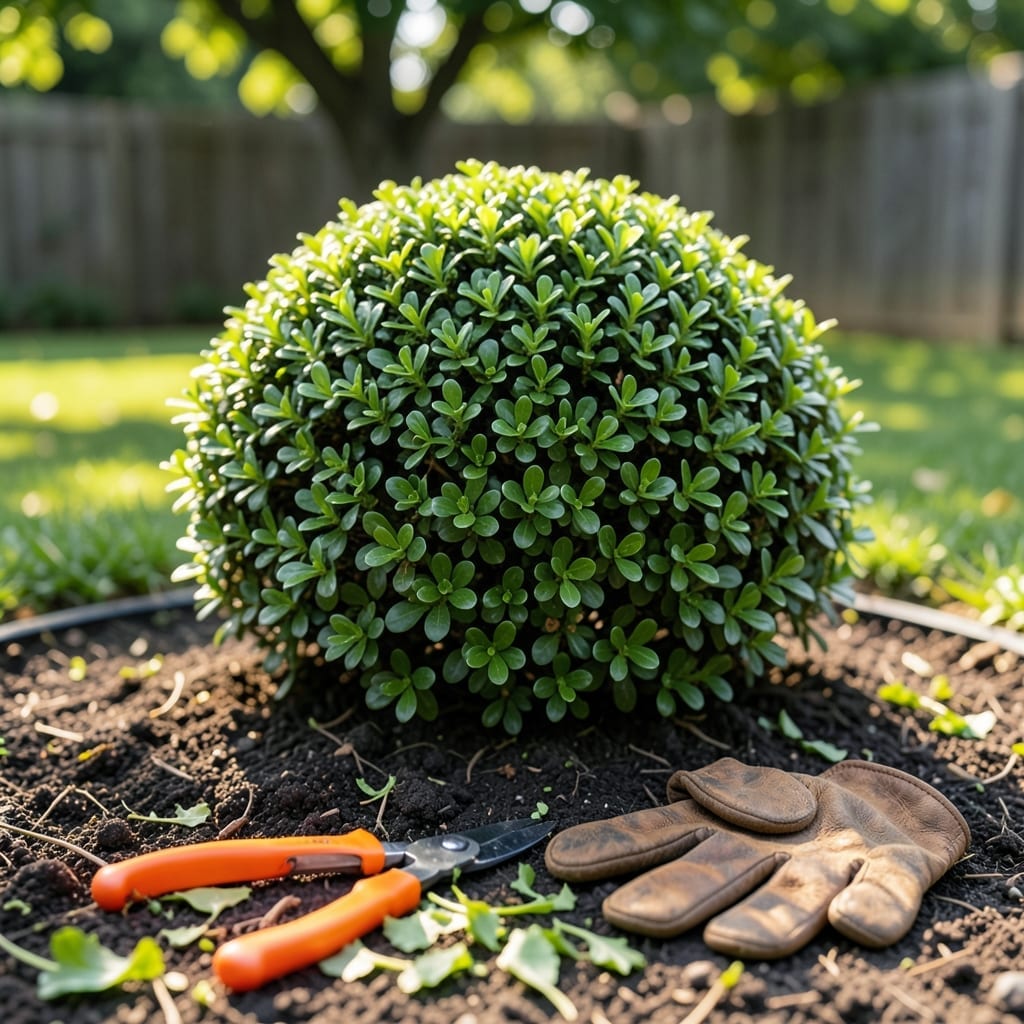
Pruning your 🌿 Boxwood at the wrong time can do more harm than good. I learned this the hard way after a summer trim left my shrubs struggling for months.
Timing is everything when it comes to keeping these evergreens lush and disease-free. The right schedule prevents stress and encourages that healthy growth we all want.
Whether you’re shaping for aesthetics or maintaining plant health, knowing the optimal windows is the key. It’s not just about when you cut, but how it affects your Boxwood’s future.
Let me show you exactly when to reach for those shears and why these moments matter so much for your shrubs’ well-being.
Timing your boxwood pruning correctly is essential for healthy growth and disease prevention. I recommend focusing on two key windows each year to keep your shrubs thriving and well-shaped.
The first ideal time is late winter to early spring, just before new growth starts. This allows the plant to recover quickly and encourages dense foliage development as temperatures rise.
| Pruning Window | Purpose | USDA Zones |
|---|---|---|
| Late Winter – Early Spring | Shape before new growth | 5-8 |
| Late Summer | Maintain shape, remove summer growth | 5-8 |
| Early Fall | Light touch-up before dormancy | 5-8 |
The second optimal period is late summer, typically in August or early September. This allows time for recovery before winter and helps maintain your desired shrub shape through the growing season.
For USDA zones 5-8, these windows work perfectly with the boxwood growth cycle. In warmer climates like zone 9, you might shift your pruning slightly earlier to avoid extreme heat stress on the plants.
I always avoid pruning during extreme heat or frost periods, as this can shock the plant. The late spring flush of growth should be complete before you make your first cuts of the season.
Remember that light pruning can be done almost anytime during the growing season to maintain shape. However, for major shaping or size reduction, stick to those two key windows for best results.
In my experience, morning pruning is ideal as it allows the cuts to dry before evening. This reduces the risk of fungal infections that can occur with overnight moisture on fresh wounds.
For dwarf boxwood varieties, the same timing applies, but you may need to prune more frequently due to their compact growth habit. Always use sharp, clean tools to make precise cuts that heal quickly.
If you’re in a region with harsh winters, avoid pruning after mid-September as new growth may not harden off in time for frost. This timing ensures your boxwoods enter dormancy in their best condition.
✂️I’ve seen many gardeners unintentionally harm their boxwoods by pruning at the wrong time. Avoid trimming during extreme heat or frost periods, as this stresses the plant and invites disease.
Another common error is over-pruning, which can weaken the shrub and reduce its ability to photosynthesize effectively.
⚠️ Warning: Never prune boxwoods in late summer or early fall—new growth won’t harden off before winter, making the plant vulnerable to cold damage.
Using dull tools is another mistake that leads to ragged cuts, increasing the risk of fungal infections. Always sharpen your pruning shears before starting.
Some gardeners also forget to clean their tools between plants, which can spread diseases like boxwood blight. A quick wipe with rubbing alcohol does the trick.
Pruning too heavily in one session can shock the plant. Instead, I recommend light, frequent trimming to maintain shape without stressing the shrub.
Finally, neglecting post-pruning care, such as watering and mulching, can hinder recovery. A little extra attention goes a long way in keeping your boxwoods healthy and vibrant. ✂️