
Beautiful Plants For Your Interior
Beautiful Plants For Your Interior
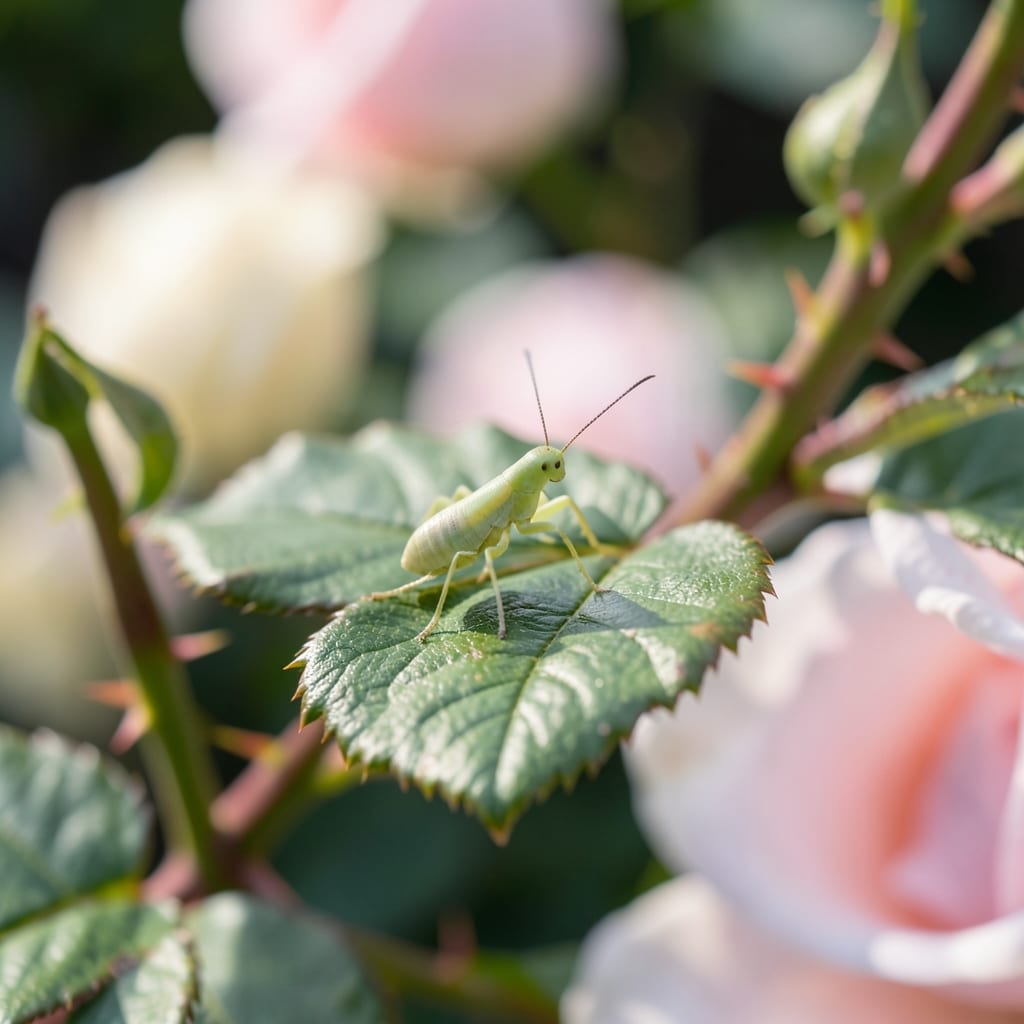
Early morning or late evening is ideal for spraying roses for aphids. These times avoid direct sunlight, reduce evaporation, and minimize harm to beneficial insects like bees.
I’ve noticed that spraying during dawn or dusk also aligns with aphid activity peaks, when they’re most vulnerable and exposed on new growth. 🌟 The cooler temperatures prevent the spray from drying too fast, giving the treatment more time to work effectively. Plus, bees and other pollinators are less active then, so you’re protecting your garden’s ecosystem while targeting pests.
💡 In This Article
Aphids are most active during cooler hours, typically between 6-9 AM and 5-8 PM. This is when they feed on rose sap, making them more vulnerable to sprays. Their softer bodies absorb treatments more effectively during these periods compared to midday heat. 🔥
Morning applications benefit from dew, which helps the spray cling to leaves for 30-60% longer. This extends contact time with aphids. Evening sprays avoid UV degradation—sunlight breaks down many organic pesticides within 2-4 hours, reducing effectiveness by up to 50%. ✨
Roses absorb treatments best when stomata (leaf pores) are open. These open widely in cooler, humid conditions but close during hot, dry periods. Spraying at 68-75°F maximizes absorption, while temperatures above 85°F can cause leaf burn and rapid evaporation. 💫
Bees and other pollinators are less active during these windows. Early morning and late evening reduce accidental exposure by 70-90%. This protects beneficial insects while targeting aphids when they’re most susceptible. ⚡
Wind speeds are typically lower at these times, reducing spray drift. Ideal conditions include winds under 5 mph. This ensures the solution lands precisely on your roses rather than neighboring plants or hives. 🌟
Midday spraying can cause rapid evaporation, reducing effectiveness by 50% or more. The intense sun also risks burning rose leaves, especially above 85°F. It may harm bees and other beneficial insects too.
Aphids are most active then, making them more vulnerable to treatments. Cooler temperatures and dew help the spray adhere longer, while UV radiation is minimal, preventing breakdown of organic pesticides.
Avoid spraying if wind speeds exceed 5 mph. Wind can cause spray drift, reducing precision and potentially harming nearby plants or pollinators. Calm conditions ensure better coverage.
Wait at least 24-48 hours before watering to allow the treatment to work fully. Rain or overhead watering too soon can wash away the spray, wasting your efforts.