
Beautiful Plants For Your Interior
Beautiful Plants For Your Interior
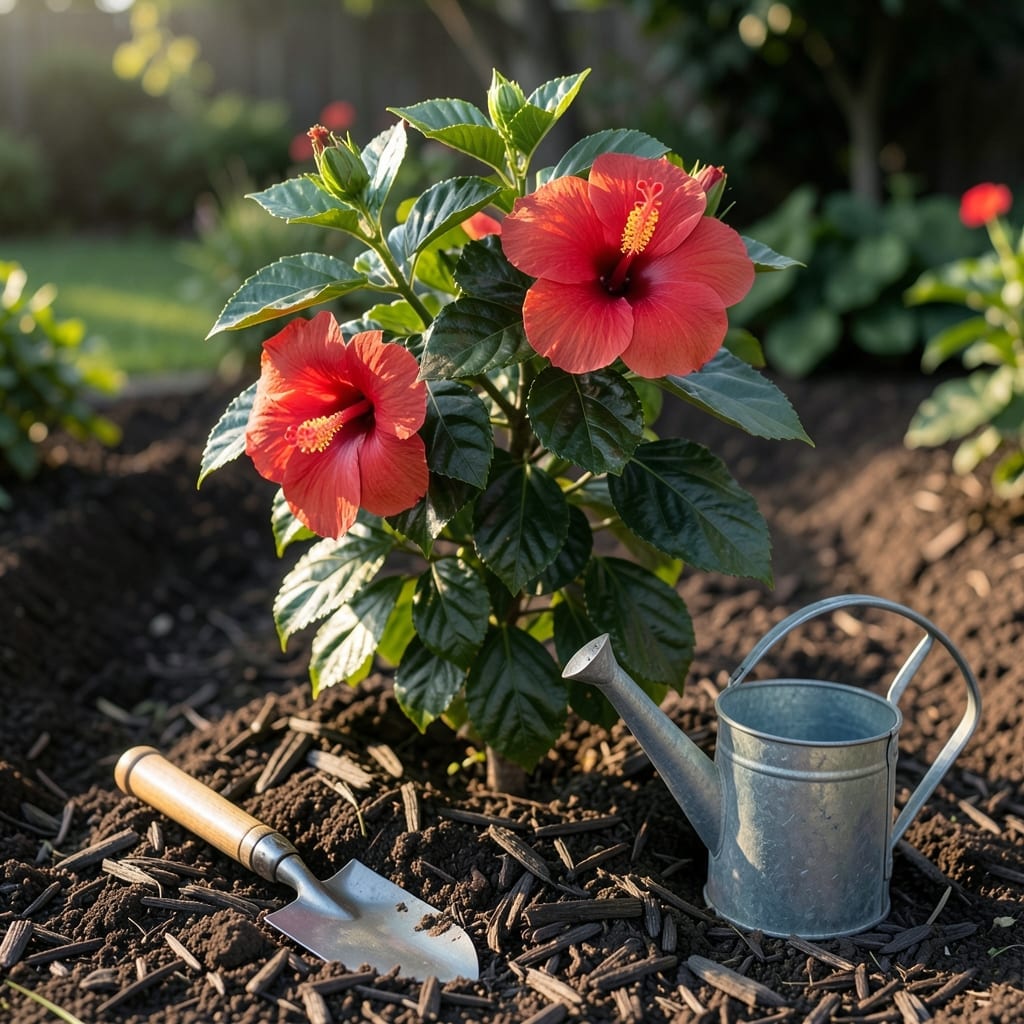
Picture this: you’ve planted your 🌺 Hibiscus with high hopes, only to watch it struggle with weak stems and sparse blooms. The culprit? Often, it’s simply the wrong location.
Getting the placement right is the key to unlocking those vibrant, show-stopping flowers we all love. And the good news? It’s easier than you might think.
I’ve learned through trial and error what makes Hibiscus thrive in zone 6. The difference between a lackluster plant and a flourishing one often comes down to just 3 factors.
Let me walk you through how to choose the perfect spot for your Hibiscus so you can enjoy those stunning blooms from July through September.


Choosing the best place to plant a hibiscus starts with understanding its sunlight needs. These tropical beauties crave full sun, meaning at least 6 hours of direct light daily for optimal growth and blooming.
In hotter climates, like USDA Zones 9-11, I recommend afternoon shade to protect the hibiscus flowers from scorching. This prevents petal burn while still giving them the light they need to thrive.
| Sunlight Requirement | Specification |
|---|---|
| Ideal Daily Sunlight | 6+ hours direct sun |
| Best Window Direction | South-facing |
| Hot Climate Adjustment | Afternoon shade |
| Temperate Climate | Full sun all day |
| Minimum Light | 4-6 hours (fewer blooms) |
For temperate zones like USDA Zone 6, I’ve found that full sun exposure works best. The hibiscus plant will reward you with more vibrant blooms and stronger stems when it gets uninterrupted light.
If you’re planting near a building or fence, position your hibiscus where it gets morning sun. This ensures it dries quickly, reducing the risk of fungal diseases that thrive in damp conditions.
In my experience, eastern exposure is second-best. While not as intense as southern light, it still provides consistent morning sun that’s gentler on the plant during peak summer heat.
For container planting, I move my potted hibiscus to follow the sun. A balcony or patio with full sun access works wonders, but I always rotate the pot for even growth on all sides.
Avoid deep shade at all costs. Hibiscus planted in low-light areas often become leggy and weak, with significantly fewer flowers. Even dappled shade can limit blooming potential.
If your garden has partial shade, place your hibiscus where it gets the most sun possible. I’ve seen healthy growth in spots with 4-6 hours of light, though the blooms may be less abundant than in full sun.
Remember, the quality of light matters too. A west-facing spot with intense afternoon sun can be too harsh in some regions, so observe your garden’s microclimates before planting.
By matching your hibiscus sunlight needs to your garden’s conditions, you’ll set the stage for lush growth and spectacular flowers all season long. ☀️
While sunlight is crucial, the best place to plant a hibiscus also depends on soil quality and microclimate. I always start by testing my soil’s drainage and pH before planting.
Hibiscus thrives in well-draining soil that’s slightly acidic (pH 6.0-6.5). If your soil is heavy clay, amending it with compost or peat moss can improve both drainage and acidity.
I’ve found that raised beds work exceptionally well for hibiscus. They provide excellent drainage and allow me to control the soil composition more easily than in-ground planting.
For container gardening, choose a pot that’s at least 12-16 inches in diameter. Ensure it has drainage holes to prevent root rot, and use a high-quality potting mix designed for flowering plants.
Consider companion planting carefully. I avoid planting hibiscus near aggressive root competitors like large trees. Instead, I pair them with low-growing perennials that won’t steal their sunlight or nutrients.
By combining the right soil with a protected location, you’ll create the perfect environment for your hibiscus to thrive and produce those stunning blooms we all adore. 🌺