
Beautiful Plants For Your Interior
Beautiful Plants For Your Interior
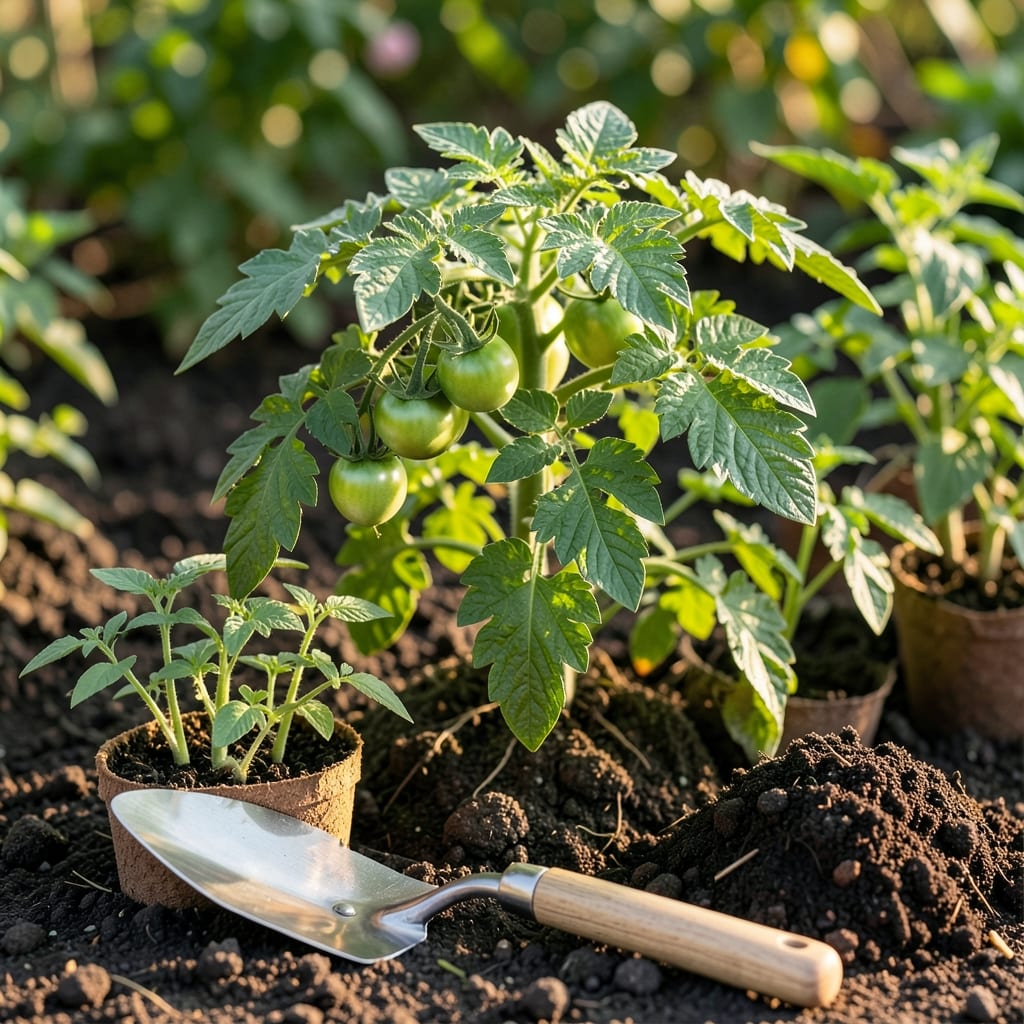
Choose a spot with at least 6-8 hours of direct sunlight, well-draining soil rich in organic matter, and easy access to water. Avoid low-lying areas prone to flooding or heavy shade.
I’ve found that south-facing spots often get the most consistent light, which most vegetables and flowers crave for strong growth. 🌟 Well-draining soil prevents root rot, and adding compost boosts nutrients. Proximity to a water source makes maintenance easier, especially during dry spells.
It’s also smart to avoid areas near large trees or buildings that create shade or compete for water and nutrients.
💡 In This Article
Plants convert sunlight into energy through photosynthesis, a process that requires 6-8 hours of direct light daily for most vegetables and flowering plants. Without adequate light, plants grow weak and leggy as they stretch toward insufficient rays. Chlorophyll production slows, leading to pale leaves and poor yields. 🔥
Soil structure determines how well roots can access water, oxygen, and nutrients. Sandy soils drain too quickly, while clay compacts and suffocates roots. The ideal mix contains 40% sand, 40% silt, and 20% clay, creating loam that holds moisture yet allows excess to drain. Organic matter like compost adds nutrients and improves texture.
Root development suffers in poor soil. In compacted earth, roots grow shallow instead of deep, making plants more vulnerable to drought and wind. Well-draining soil allows roots to penetrate 12-18 inches deep, accessing more water and nutrients. This depth also helps plants anchor securely against weather.
Nutrient availability depends on soil pH, which should range between 6.0-7.0 for most plants. Outside this range, essential nutrients like nitrogen, phosphorus, and potassium become less accessible. Testing soil before planting reveals deficiencies, allowing you to amend with lime (to raise pH) or sulfur (to lower it). ✨
Sunlight intensity varies by direction. South-facing spots receive the most consistent light, ideal for heat-loving plants like tomatoes and peppers. East-facing areas get gentle morning sun, perfect for lettuce and herbs. West-facing locations receive hot afternoon sun, which can stress some plants but benefits others like roses.
Microclimates create variations even within a yard. A spot near a south-facing wall may be 5-10°F warmer than an open area due to heat reflection. Fences or buildings can create windbreaks that protect tender plants but may also cast shade. Observing these patterns helps maximize growing success. 💫
Most vegetables and flowering plants require 6-8 hours of direct sunlight daily. Without enough light, plants become weak and leggy as they stretch toward insufficient rays, leading to poor growth and pale leaves.
The perfect mix is 40% sand, 40% silt, and 20% clay to create loam. This balance holds moisture while allowing excess to drain, preventing root rot and promoting healthy development.
Tree roots extend far beyond their canopies, competing aggressively for water and nutrients. This can stunt your garden’s growth. Keep at least 3 feet away to prevent these issues.
Dig a 1-foot deep hole and fill it with water. If water remains after 1 hour, your drainage needs improvement. Adding 2-3 inches of compost can help.