
Beautiful Plants For Your Interior
Beautiful Plants For Your Interior
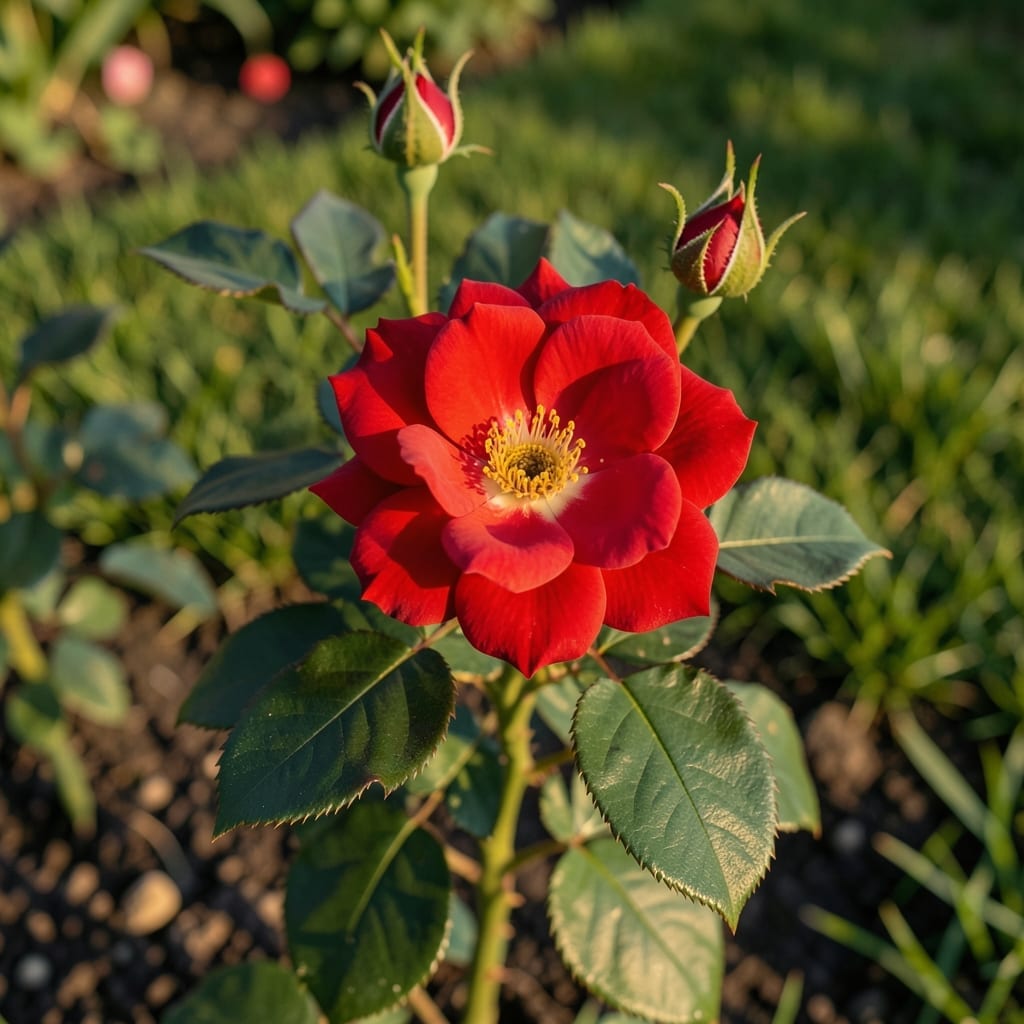
The best flowers for photography include peonies, roses, and sunflowers for their vibrant colors and striking textures. Dahlias and tulips also offer unique shapes perfect for stunning shots.
I’ve found that the most photogenic blooms often have rich, saturated hues that pop against any background. 🌟 The layered petals of dahlias or the velvety texture of tulips create depth that cameras love to capture. Even the angle of light can transform a simple bloom into a masterpiece, especially during golden hour when shadows add drama.
What really sets these flowers apart is their ability to hold up under close inspection, revealing intricate details most people overlook. ✨
💡 In This Article
Photogenic flowers share key visual traits that make them stand out in images. Vibrant, saturated colors like the deep crimson of roses or the sunny yellow of sunflowers create high contrast against greenery. This contrast draws the eye and adds immediate visual impact to any composition.
Texture plays a huge role in how light interacts with petals. The velvety surface of peonies diffuses light softly, while the waxy coating on tulips creates subtle highlights. Sunflowers have a rough, almost fibrous texture that catches light in fascinating ways, adding dimension to photos. 🔥
Symmetry and structure are equally important. Dahlias have perfect radial symmetry, with petals arranged in precise geometric patterns. Roses offer spiraling petals that create natural leading lines. Even slightly asymmetrical blooms like orchids can be stunning when their unique forms are highlighted.
The size of the bloom matters too. Large flowers like dinnerplate dahlias (10-12 inches across) fill the frame beautifully, while smaller blooms like Forget-Me-Nots can create delicate, intricate patterns when photographed in clusters. The scale of the flower relative to the frame affects the entire composition.
Light interaction is perhaps the most magical element. Translucent petals like those of poppies glow when backlit, while opaque petals like those of marigolds create bold shadows. The way a flower reflects, absorbs, or transmits light can completely transform its appearance in photographs. ✨
Even the stamen and pistil add interest. The dark centers of sunflowers or the prominent stamens of lilies create focal points that add depth. These details often go unnoticed in casual viewing but become striking elements in macro photography.
Early morning or late afternoon during golden hour provides the softest, most flattering light. This timing also captures fresh blooms with dew, adding natural sparkle to your shots.
Peonies offer velvety softness, while sunflowers have rough, fibrous petals that catch light beautifully. Dahlias provide intricate geometric patterns that create stunning close-ups.
Shoot from a low angle to emphasize their size against the sky. Use a macro lens to capture tiny details, or cluster multiple blooms together for a bold, textured effect.
A simple, uncluttered background like a solid wall or open sky keeps focus on the bloom. Dark green foliage creates natural contrast, making bright petals pop in photos.