
Beautiful Plants For Your Interior
Beautiful Plants For Your Interior
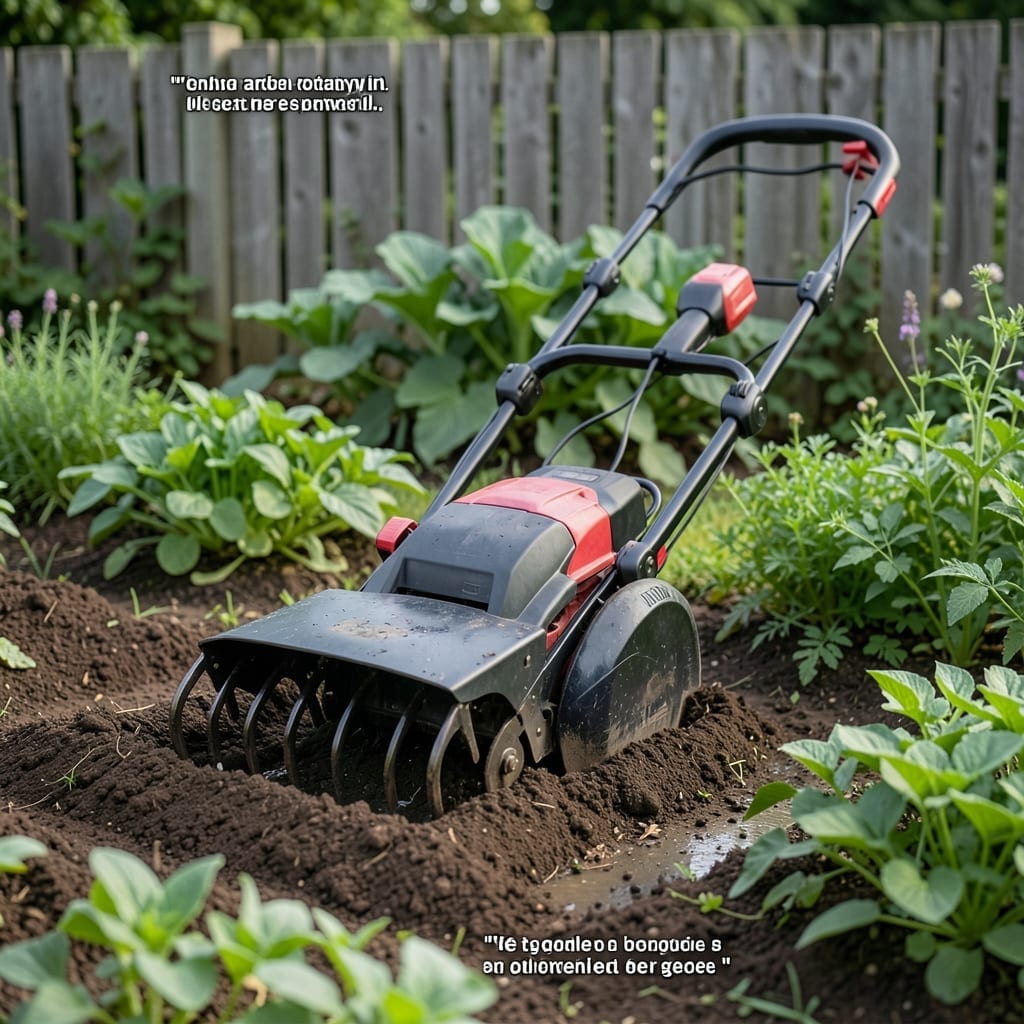
The best garden rotary tillers offer powerful engines, adjustable tines, and durable construction. Top models include Mantis, Earthwise, and Troy-Bilt for efficient soil preparation and weed control.
I love how these machines turn tough soil into a perfect planting bed in minutes. Adjustable tines let you work at different depths, while durable builds handle rocks and roots without slowing down. For small gardens, a lightweight electric model works wonders, but larger plots often need the muscle of a gas-powered machine. ✨
What sets the best apart is their ability to tackle both soft topsoil and compacted clay with ease. 🌟
💡 In This Article
What makes these machines so effective is their combination of power and precision. A robust engine, typically 5-7 HP for home models, delivers the torque needed to break through compacted soil. The tines—curved steel blades—rotate at 150-200 RPM, slicing and aerating the earth while pulling the machine forward with minimal effort from you. 🔥
Depth adjustment is crucial for different tasks. Most quality tillers offer 3-6 depth settings, from shallow 2-inch cultivation to deep 8-inch soil breaking. This versatility lets you prep seedbeds, mix in compost, or renew established plots without disturbing deeper soil layers. The best models use a simple lever or pin system for quick changes mid-row.
Durability comes from reinforced steel frames and sealed gearboxes that resist moisture and debris. Look for models with heat-treated tines that stay sharp longer and pneumatic tires for better traction. A well-built tiller can handle small rocks and roots without stalling, which is why commercial-grade machines often weigh 80-120 lbs for stability. ✨
High-quality models also include safety features like dead-man switches that stop the tines if you release the handles. Some advanced tillers even have reverse gear for easy maneuvering in tight spaces. The engine placement—typically over the tines—distributes weight evenly, preventing the machine from jumping when hitting tough spots.
What most people don’t realize is how tine design affects performance. Forward-rotating tines work best for breaking new ground, while counter-rotating ones excel at deep cultivation. The best garden tillers offer both options, allowing you to switch between modes depending on your soil condition and task at hand. 💫
For gardens under 1,000 sq ft, a 12-14 inch width is ideal. It’s lightweight and easy to maneuver in tight spaces while still covering ground efficiently.
Gas tillers with 5-7 HP provide the torque needed to break through heavy clay. Electric models may struggle with the extra resistance and can overheat.
Adjustable tines let you switch between shallow 2-inch cultivation and deep 8-inch soil breaking. This versatility is perfect for different tasks like seedbed prep or mixing in compost.
Heat-treated tines stay sharp 3-5 times longer than standard metal. They resist bending and wear, making them ideal for rocky or root-filled soil.