
Beautiful Plants For Your Interior
Beautiful Plants For Your Interior
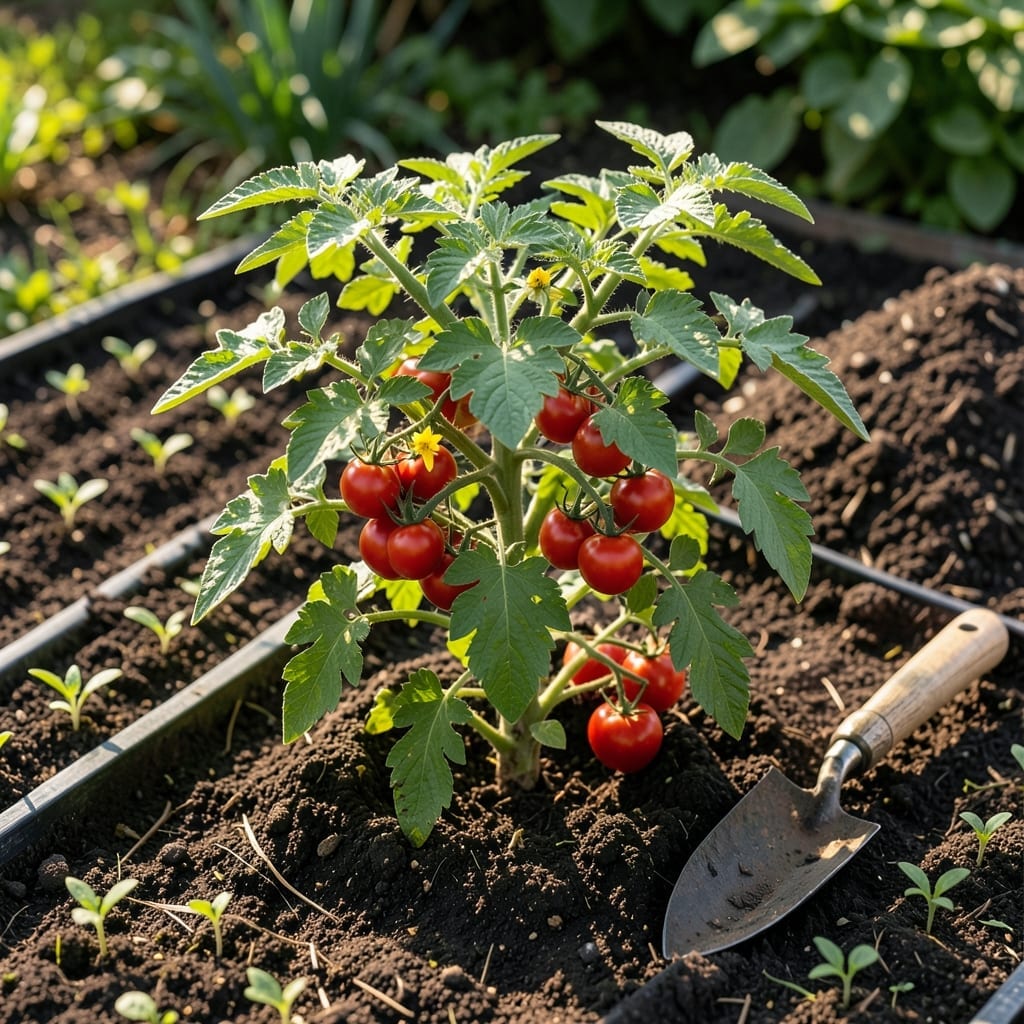
Plant rows running north to south for even sunlight distribution. In the Northern Hemisphere, this maximizes exposure for all plants as the sun moves east to west.
This orientation works because the sun’s arc across the sky ensures both sides of each row get equal light throughout the day. I’ve noticed gardens laid out this way often outperform those with east-west rows, especially for taller crops that might otherwise shade their neighbors. It also helps prevent uneven growth and maximizes photosynthesis efficiency. 🌟
💡 In This Article
The sun doesn’t move in a straight line but follows a predictable arc. In the Northern Hemisphere, it rises in the east, peaks in the south at solar noon, and sets in the west. This 180-degree path means north-south rows get sunlight on both sides throughout the day, preventing one side from being perpetually shaded.
🌟
Photosynthesis relies on consistent light exposure. North-south rows ensure each plant receives direct sunlight for 6-8 hours daily in summer, with morning light hitting the east side and afternoon light warming the west side. This balance is crucial for crops like tomatoes and peppers that need 8+ hours of full sun to thrive.
Solar elevation changes with seasons. In summer, the sun climbs higher (up to 70° at noon in Florida), while in winter it stays lower (around 30° in New York). North-south orientation maintains even exposure during these shifts, unlike east-west rows that create long shadows when the sun is low.
Tall plants benefit most from this layout. A row of corn or sunflowers running north-south won’t shade its neighbors, whereas east-west rows can block sunlight from shorter plants for 2-3 hours daily. This is why commercial farms almost universally adopt this orientation for maximum yield.
Light intensity matters too. South-facing sides receive 10-15% more direct sunlight than north-facing sides in east-west layouts. North-south rows eliminate this disparity, giving all plants equal access to the sun’s energy for consistent growth and ripening.
Row direction affects how evenly sunlight reaches all plants. North-south rows ensure both sides get equal exposure as the sun moves east to west, preventing shading issues common with east-west layouts. This maximizes photosynthesis for every plant.
Position containers so their longest side faces north-south. This works especially well for tall plants like tomatoes or peppers that might otherwise shade shorter neighbors in east-west arrangements.
Map your sun patterns first. Place sun-loving crops where they’ll get 6+ hours of direct light, even if that means adjusting row angles. Shade-tolerant plants can go in the dimmer spots.
A 10-degree variance won’t hurt, but true north-south is ideal. Use a compass app for accuracy—your plants will thank you with better growth and yields.