
Beautiful Plants For Your Interior
Beautiful Plants For Your Interior
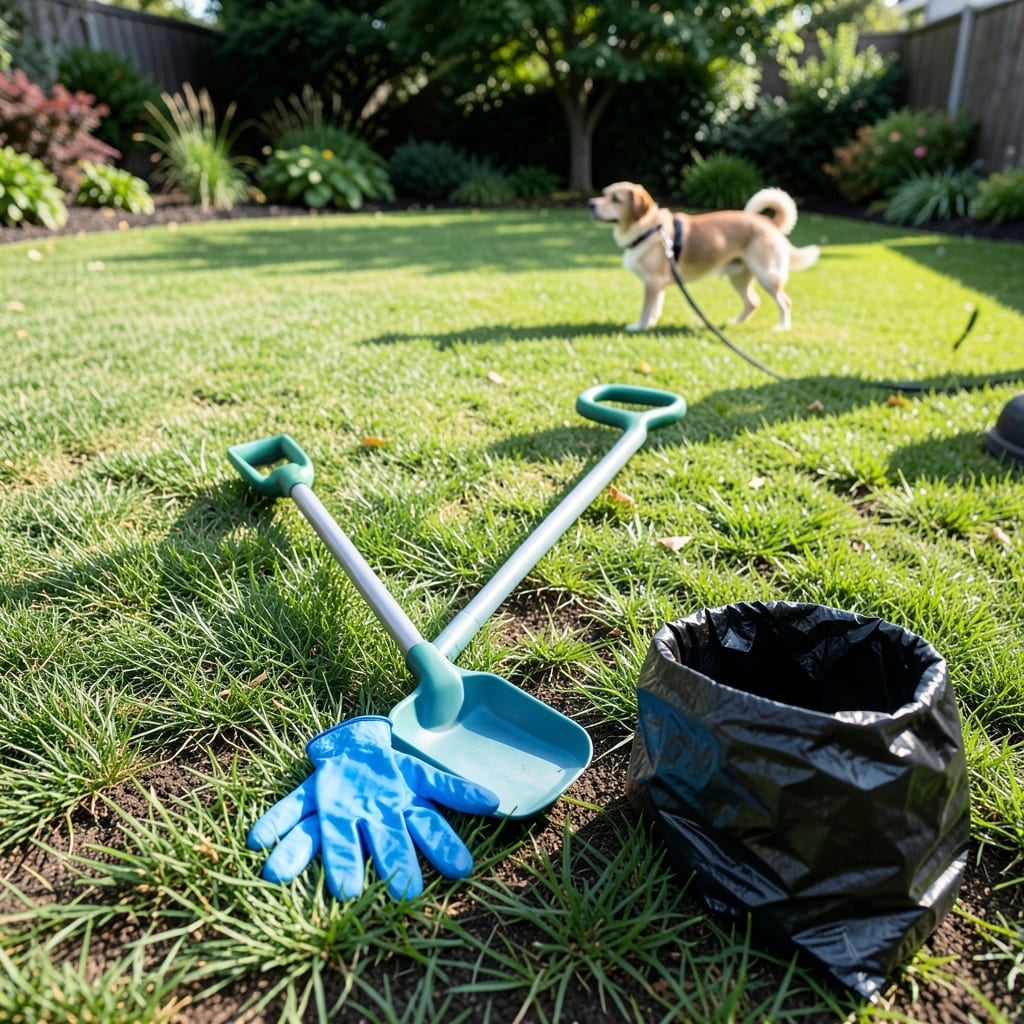
Regular pet waste removal prevents lawn burn from nitrogen buildup, reduces harmful bacteria, eliminates odors, and promotes healthier grass growth by allowing proper nutrient absorption.
I’ve seen firsthand how untreated waste creates unsightly brown patches that spread quickly across yards. The ammonia and nitrogen overload essentially burns grass roots while fostering bacteria that can harm pets and people. 🔥
Plus, keeping up with removal means your lawn stays lush and inviting for barefoot playtime or backyard gatherings without that lingering pet smell.
💡 In This Article
Pet waste contains high concentrations of ammonia and nitrogen, which initially act as fertilizers. However, in excessive amounts, these compounds create a toxic environment for grass roots. The nitrogen overload disrupts the soil’s natural balance, causing chemical burns that manifest as yellow or brown patches within 24-48 hours of contact.
This is similar to how over-fertilizing with synthetic products can scorch your lawn. 🔥
Beyond nitrogen, pet waste introduces harmful pathogens like E. coli, salmonella, and parasitic worms. These bacteria can survive in soil for 4-12 months, posing risks to both pets and humans.
The moisture in waste creates an ideal breeding ground, and rain or irrigation can spread these contaminants across your yard, affecting areas well beyond the original deposit site. 💫
The physical structure of your lawn suffers too. Accumulated waste forms a dense, matted layer that blocks sunlight and airflow from reaching the soil. This smothers grass roots, preventing proper photosynthesis and nutrient absorption. Over time, this leads to thin, weak grass that’s more susceptible to weeds and disease.
The compacted waste also repels water, creating dry spots even in well-watered lawns. ✨
Soil degradation occurs as the waste alters the pH balance, making it too acidic for most grass types. Healthy lawn soil typically maintains a pH of 6.0-7.0, but pet waste can drop this to 4.5-5.5, stunting root development. This acidity also leaches important minerals like calcium and magnesium, further weakening your lawn’s foundation. 🌟
What many don’t realize is that a single dog’s waste can contain 1 billion bacteria per gram. Multiply this by daily deposits, and you’re essentially creating a bacterial hotspot in your yard. These microorganisms compete with grass roots for nutrients, while their metabolic processes produce additional toxins that accumulate in the soil. 💛
Remove waste every 24-48 hours to prevent nitrogen burns and bacterial growth. Daily pickup is ideal, especially in high-traffic areas. This keeps your lawn safe and healthy.
Yes! The high nitrogen and ammonia in waste can burn grass roots within 24-48 hours, creating yellow or brown patches. Regular removal prevents this damage.
Use biodegradable bags or flush small amounts (if allowed). For eco-friendly options, compost in a dedicated bin with a 1:1 waste-to-carbon ratio. Never mix with edible plant compost.
Standing waste draws flies, rodents, and other pests. Removing it promptly eliminates food sources and keeps your yard pest-free.