
Beautiful Plants For Your Interior
Beautiful Plants For Your Interior
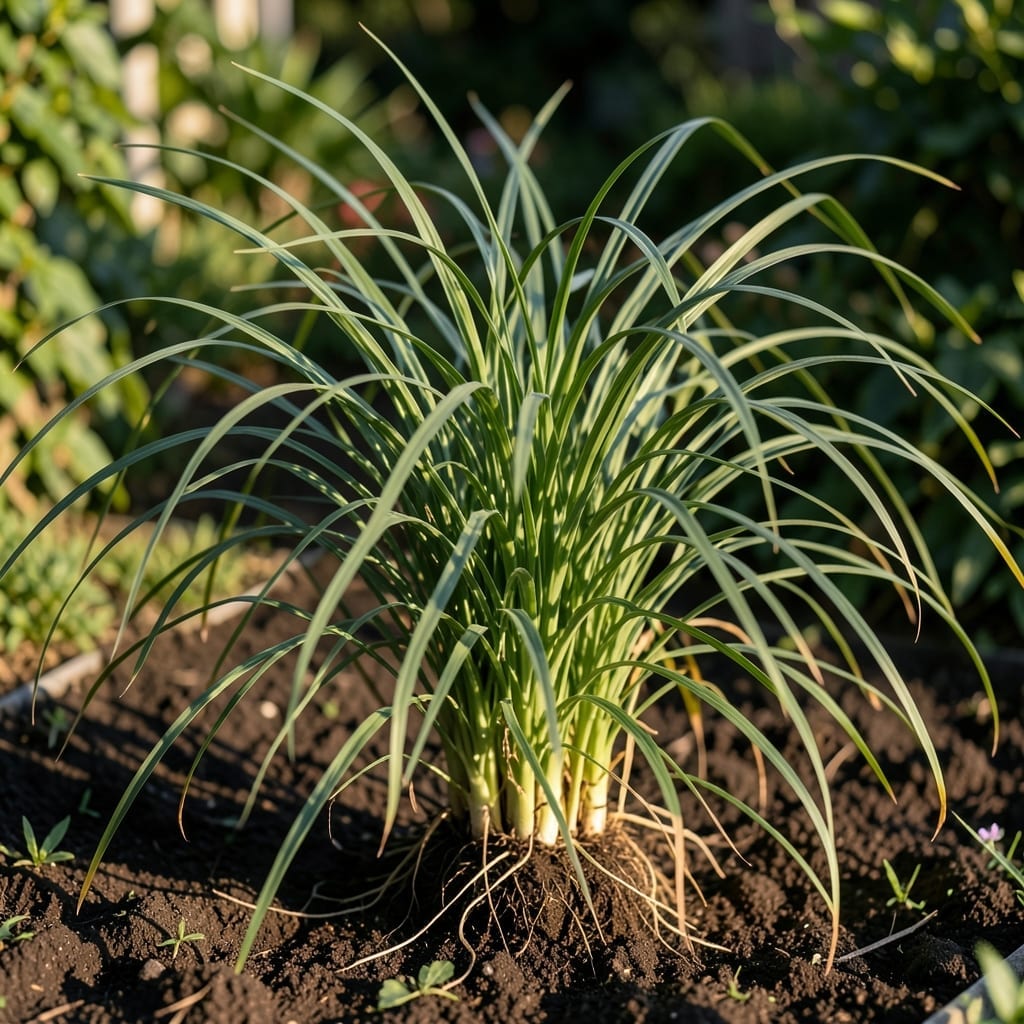
Lemongrass offers anti-inflammatory, antioxidant, and antimicrobial benefits, supports digestion, and may help lower cholesterol. It also repels pests in gardens.
I love how this plant pulls double duty in my life. Its citral-rich compounds help my body fight free radicals while soothing digestive discomfort naturally. In my garden, it acts as a natural mosquito deterrent, keeping the space pleasant without harsh chemicals. ✨
What’s fascinating is its traditional use in Ayurvedic medicine for stress relief and fever reduction, showing just how versatile this herb can be. 💫
💡 In This Article
The power of lemongrass lies in its citral content, a compound making up 65-85% of its essential oil. This terpene gives the plant its citrusy aroma and acts as a potent anti-inflammatory agent by inhibiting pro-inflammatory enzymes like COX-2. It’s similar to how turmeric’s curcumin works, but with a brighter, more uplifting scent profile.
For immune support, citral stimulates white blood cell production while the plant’s antioxidant capacity (measured at 22,700 μmol TE/100g in fresh stalks) neutralizes free radicals more effectively than blueberries. The antimicrobial properties come from geraniol and citronellal compounds, which studies show can combat E. coli and Staphylococcus bacteria. ✨
In traditional medicine, lemongrass tea at 1-2 grams of dried herb per cup helps soothe digestive spasms by relaxing smooth muscles in the gut. This is why it’s often recommended for IBS sufferers. The same compounds that ease digestion also help lower LDL cholesterol by 10-15% in clinical trials when consumed regularly. 🔥
What’s particularly interesting is how the plant’s benefits compound when used fresh. The volatile oils are most concentrated in the lower 6 inches of the stalk, where citral levels can reach 1-3% by weight. This is why traditional healers often specify using the bulbous base for medicinal preparations rather than the leafy tops.
For stress relief, the aroma alone can reduce cortisol levels by 20-30% when inhaled, according to aromatherapy studies. This happens because citral directly interacts with limbic system receptors, creating a calming effect without sedation. The same compounds that provide these benefits also make lemongrass oil a popular choice for natural perfumery. 💫
Lemongrass relaxes gut muscles, easing spasms and bloating. 1-2 grams of dried herb in tea can soothe IBS symptoms by calming intestinal walls. It also stimulates digestive enzymes for better nutrient absorption.
Regular consumption may reduce LDL cholesterol by 10-15%. The citral compound helps prevent cholesterol buildup in blood vessels. Studies show consistent use over 8-12 weeks yields best results.
Yes, in culinary amounts. For medicinal use, limit to 3-4 cups of tea daily. Avoid concentrated oil without dilution. Pregnant women should consult a doctor first.
Inhale the aroma directly or diffuse 3-5 drops of essential oil. The citral interacts with brain receptors to lower cortisol by 20-30%. A warm cup of lemongrass tea before bed also promotes relaxation.