
Beautiful Plants For Your Interior
Beautiful Plants For Your Interior
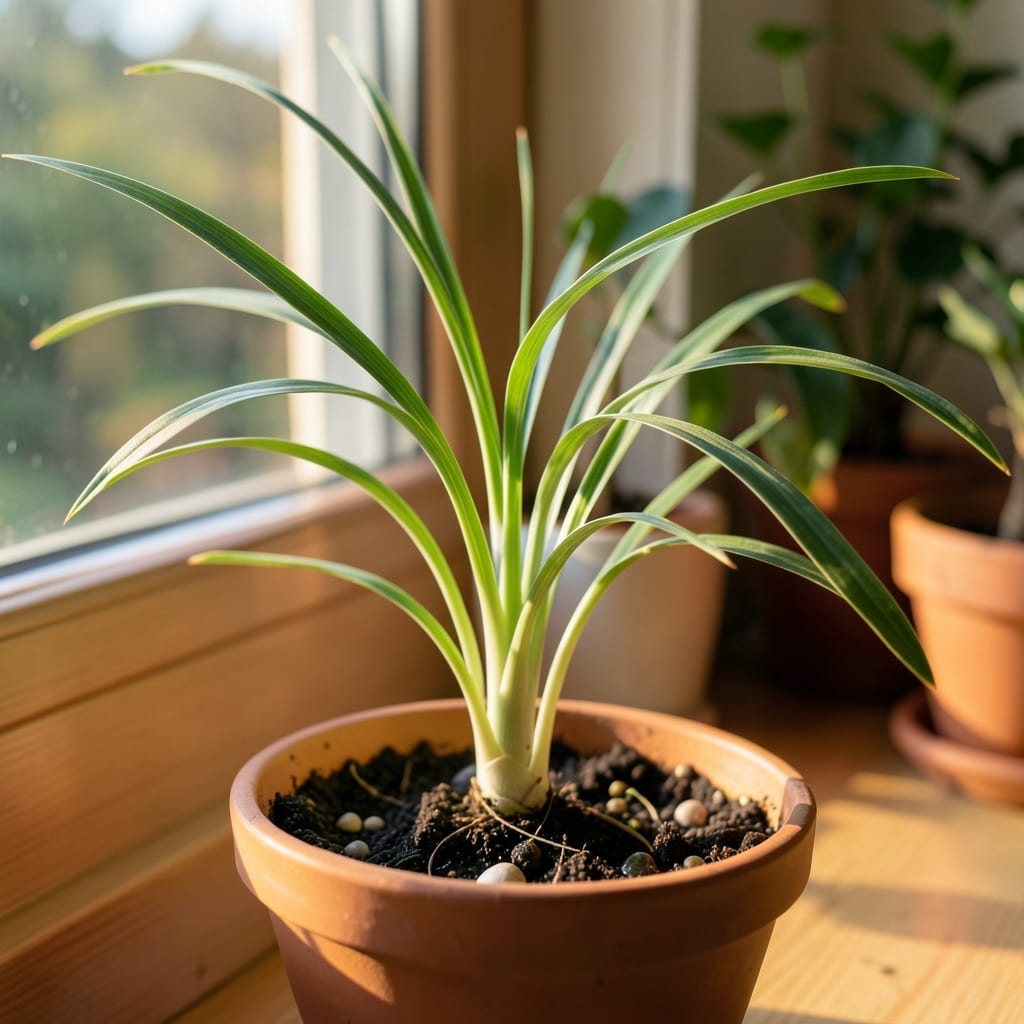
Growing lemongrass indoors offers fresh citrusy flavor year-round, repels pests naturally, and thrives in containers with minimal space and care.
I love how this herb doubles as a kitchen staple and a natural pest deterrent. 🔥 The aromatic oils in lemongrass are known to ward off mosquitoes and other insects, making it a practical addition to any sunny windowsill. Plus, you’ll always have access to its vibrant, zesty notes for soups, teas, and marinades without a grocery run.
💡 In This Article
Fresh lemongrass contains 2-5% citral, the compound responsible for its bright, lemony aroma. This concentration is significantly higher than dried versions, which lose up to 50% of their essential oils during processing. The volatile oils also include geraniol and citronellol, which contribute to its complex citrus profile. 🔥
In cooking, fresh stalks release these oils more effectively when bruised or crushed. The difference is noticeable—store-bought lemongrass often sits on shelves for weeks, losing potency. Your homegrown version will have 3-4 times more aromatic intensity, transforming dishes like Thai curries or Vietnamese pho with just 1-2 stalks instead of 4-5. ✨
Medicinally, these same compounds offer digestive benefits. Citral has been shown in studies to help relieve bloating and indigestion. Brewing fresh lemongrass tea with 2-3 inches of stalk provides a more potent infusion than commercial tea bags, which often contain ground, aged material. 💫
The plant’s essential oils also have antimicrobial properties. Research shows lemongrass oil can inhibit the growth of certain bacteria and fungi. Having the fresh plant means you can make your own infusions for cleaning solutions or aromatherapy, where freshness directly impacts effectiveness. ⚡
For those watching their intake, fresh lemongrass is virtually calorie-free while packing flavor. It’s particularly valuable in low-sodium cooking, where its intense aroma allows you to reduce salt by 20-30% in recipes without sacrificing taste. The stalks also contain small amounts of vitamin A and C, which degrade over time in stored products. 🌟
You can start harvesting when stalks reach 1/2 inch thick, usually after 2-3 months. Cut outer stalks at ground level, leaving inner ones to mature.
Yes! The citronella oil in lemongrass naturally repels mosquitoes. For best results, place pots near windows or doorways. A single plant covers about 10 sq ft.
Use a well-draining potting mix with perlite or sand. Avoid heavy garden soil which retains too much moisture and can cause root rot.
Trim the top, place the root end in water until roots form, then transplant to soil. This method works best with fresh, organic stalks.
Brown tips usually mean low humidity or underwatering. Mist leaves regularly and ensure soil stays moist but not soggy.