
Beautiful Plants For Your Interior
Beautiful Plants For Your Interior
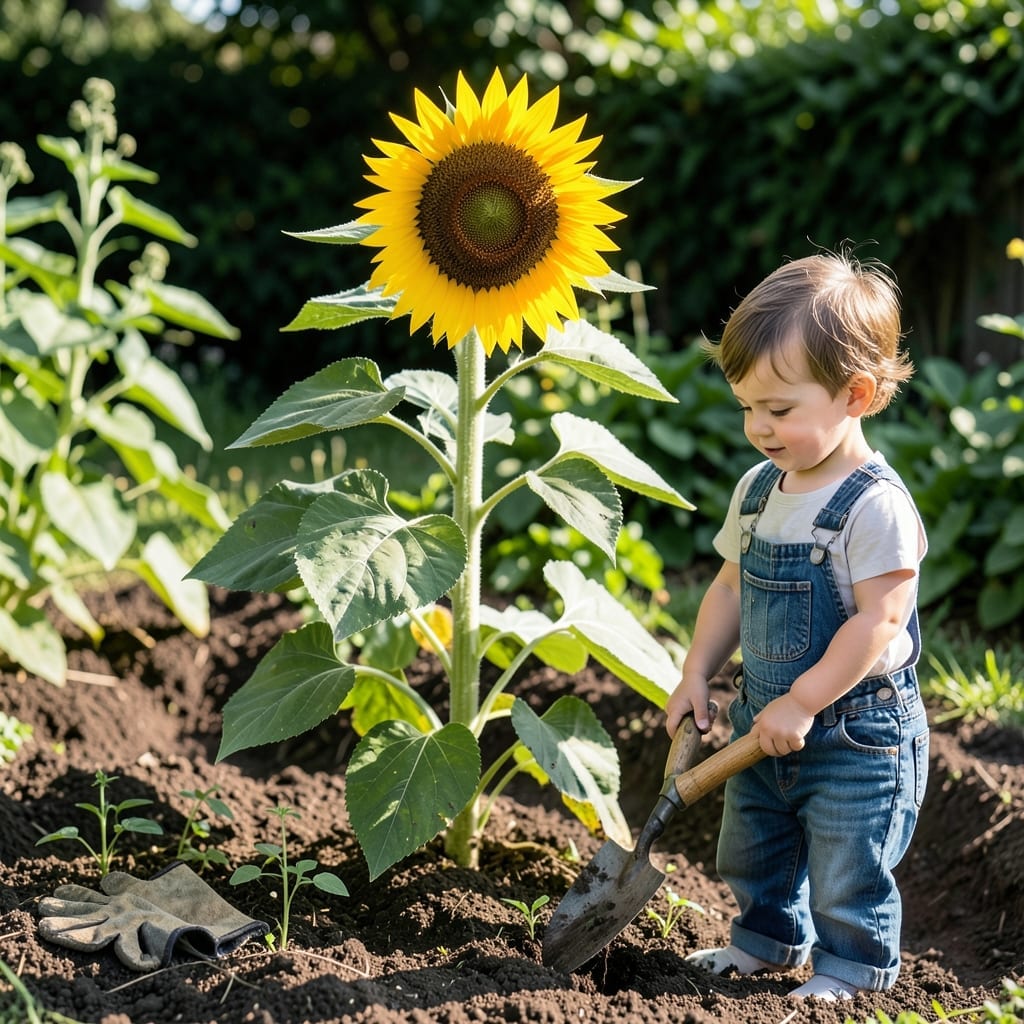
School gardens enhance learning by providing hands-on science and nutrition education while fostering environmental stewardship, teamwork, and healthy eating habits in students.
I’ve seen firsthand how these spaces turn into living classrooms where kids apply math skills to measure garden plots or discover ecology through plant life cycles. 🔥 Beyond academics, they build responsibility by caring for plants and gain pride in harvesting food they’ve grown themselves.
What’s more, these gardens often become hubs for community engagement, bringing parents and local volunteers into the learning process. ✨
💡 In This Article
These green spaces transform into outdoor laboratories where students observe botany firsthand. Kids track plant growth from seed to harvest, measuring stem heights with rulers or calculating water needs in milliliters. This hands-on approach makes abstract science concepts tangible while engaging multiple senses—feeling soil textures, smelling fresh herbs, and tasting homegrown produce. 🔥
Math becomes practical when students design garden layouts. They calculate plot areas using square footage, determine plant spacing ratios, or graph temperature data over growing seasons. A 4×8-foot raised bed might host 32 lettuce plants spaced 6 inches apart, turning geometry into a real-world puzzle.
Nutrition education takes root as children connect food to its source. Harvesting cherry tomatoes or carrots they’ve nurtured creates powerful associations between effort and reward. Studies show students with garden experience are 2.5 times more likely to eat vegetables, with 40% increasing fruit and veggie consumption. ✨
The cognitive benefits extend beyond STEM subjects. Outdoor learning boosts focus and memory, with research indicating 20-minute nature exposure improving concentration. Teamwork flourishes as students collaborate on planting schedules, with older kids often mentoring younger gardeners.
Environmental stewardship grows organically in these spaces. Kids learn about composting cycles, witnessing how banana peels transform into nutrient-rich soil over 6-8 weeks. This fosters a sense of responsibility toward ecosystems while teaching sustainable practices. 💫
Special needs students often thrive in garden settings. The sensory-rich environment accommodates diverse learning styles, with tactile activities helping those with attention challenges. A 2021 study found garden programs improved social skills in autistic children by 30% through structured outdoor interactions.
They turn lessons into hands-on experiences, like measuring plant growth for math or observing ecosystems for science. Students retain information better when they engage multiple senses outdoors.
All ages gain value, but elementary students show the most dramatic growth in responsibility and curiosity. Middle and high schoolers can tackle advanced projects like composting systems or crop yield analysis.
Start with grants from organizations like the National Gardening Association or partner with local businesses for donations. Many communities will donate seeds, tools, or volunteer labor to get programs growing.
Failing to plan for summer maintenance. Without a volunteer schedule or community partnership, gardens often die during school breaks. Assign student leaders and create a care calendar to prevent this.