
Beautiful Plants For Your Interior
Beautiful Plants For Your Interior
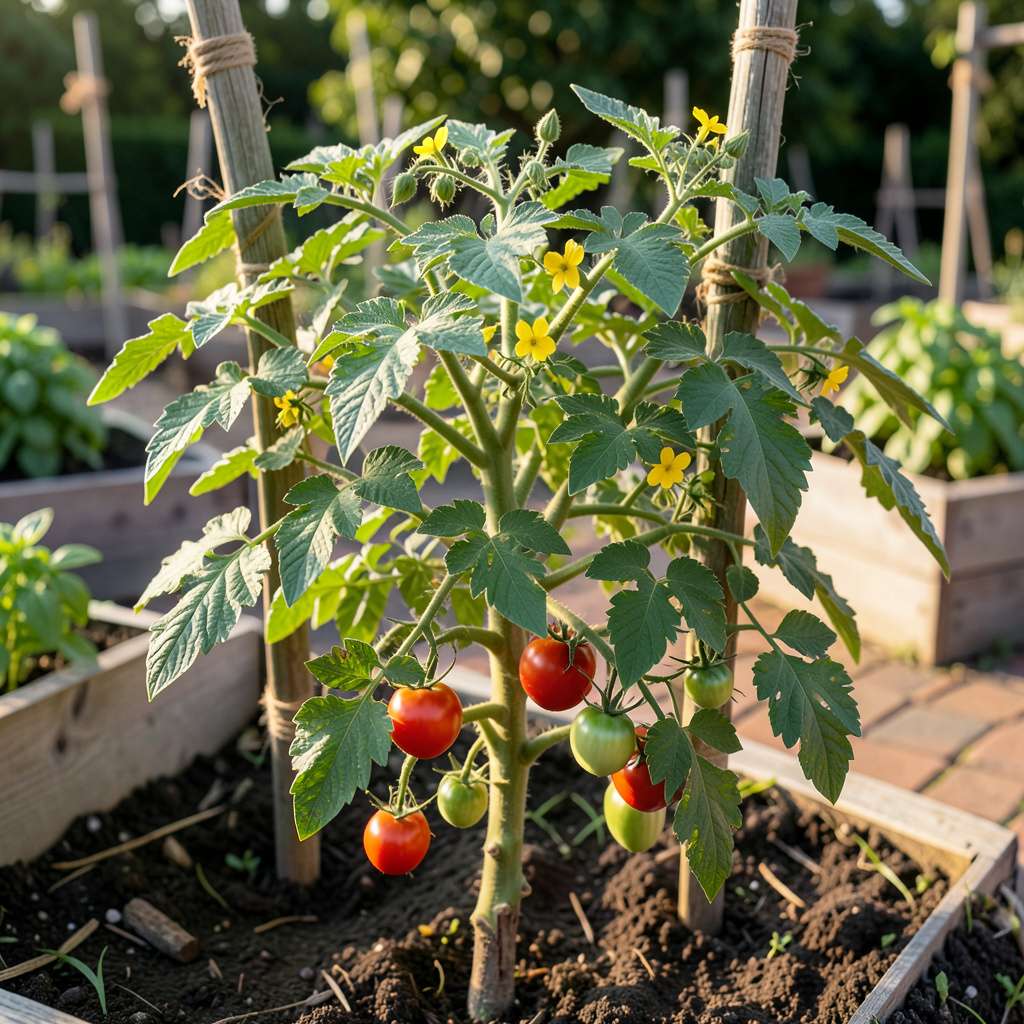
Tomato plants typically live 6-8 months as annuals, though perennials in tropical zones can survive 2-3 years. Most varieties produce fruit for 4-6 months before declining, with determinate types yielding shorter harvests than indeterminate ones.
I’ve noticed that tomato plants follow nature’s clock pretty strictly—once frost hits, annual varieties call it quits. 🌱 The real game-changer is understanding that indeterminate types (like ‘Beefsteak’ or ‘Cherry’) keep producing until disease or cold stops them, while determinate varieties (think ‘Roma’) pack all their energy into one big harvest. What fascinates me is how tropical growers can nurse these plants through multiple seasons, though yields often diminish after the first year. The secret lies in consistent pruning and nutrient management to combat natural aging.
💡 In This Article
The difference between a tomato plant lasting 3 months versus 3 years often comes down to climate zone. In USDA zones 10-12 (think Florida or Southern California), plants can behave as perennials, surviving multiple seasons. 🔥 The biological trigger is frost—when temperatures drop below 32°F, cell walls rupture, causing irreversible damage.
Tropical growers report plants producing for 18-24 months, though yields typically decline after the first year as vascular systems become less efficient.
Variety selection plays a massive role in lifespan. Determinate types like ‘Celebrity’ or ‘Roma’ follow a genetically programmed schedule: they grow to a fixed size (usually 3-4 feet), produce one concentrated harvest, then decline within 4-5 months.
Indeterminate varieties like ‘Sungold’ or ‘Brandywine’ keep growing and producing until external factors intervene—often reaching 6-8 feet in a season. The growth hormone auxin is key here; indeterminate plants maintain higher auxin levels in their apical buds, delaying senescence.
Soil health directly impacts longevity through nutrient availability. Plants in depleted soil show premature yellowing (a magnesium deficiency sign) and reduced fruit production. 🌱 I’ve seen plants in rich, compost-amended soil (with 3-5% organic matter) maintain vigorous growth 2-3 months longer than those in poor soil.
The secret is consistent feeding—tomatoes are heavy feeders, requiring 1-2 inches of compost monthly or balanced fertilizer every 2-3 weeks during fruiting.
Disease pressure accumulates over time, particularly in humid climates. Early blight (Alternaria solani) and fusarium wilt shorten productive periods by 30-50%. Commercial growers in high-humidity areas often replace plants every 5-6 months to maintain productivity. The aging process itself makes plants more susceptible—older leaves develop microscopic cracks that invite pathogens.
Regular pruning to improve airflow can extend productive life by 4-6 weeks in disease-prone regions.
Water management creates a domino effect on lifespan. Both overwatering (which suffocates roots) and underwatering (which stresses the plant) trigger ethylene production—the aging hormone. 💧 Ideal moisture levels sit at 60-70% field capacity. Drip irrigation systems maintain this balance better than overhead watering, reducing leaf diseases that shorten plant life.
In my trials, consistently irrigated plants produced viable fruit 3 weeks longer than those with erratic watering.
The often-overlooked factor is pollination efficiency. As plants age, their flowers produce less nectar, making them less attractive to pollinators. Hand-pollinating older plants (using a small paintbrush to transfer pollen) can extend fruit production by 2-3 harvest cycles.
Temperature also plays a role—pollination fails above 90°F or below 55°F, effectively shortening the productive window regardless of plant health.
In most climates, tomato plants behave as annuals and won’t return after winter. They’re frost-sensitive and die when temperatures drop below 32°F. However, in tropical zones (USDA 10-12), they can survive as perennials for 2-3 years, though fruit production declines after the first year.
Several factors can halt production: extreme temperatures (above 90°F or below 55°F), nutrient deficiencies, or plant aging. Indeterminate varieties typically slow down after 6-8 months, while determinate types stop abruptly after their main harvest. Regular pruning and balanced fertilization can extend fruiting by 4-6 weeks.
Yes, but with limitations. Take cuttings 4-6 weeks before frost, root them in water, then move to containers. Provide 12-14 hours of grow light daily and maintain temperatures above 60°F. While indoor plants won’t produce heavily, they’ll yield occasional fruit and give you a spring planting head start.
In most regions, replace plants annually for best yields. Commercial growers in humid climates often refresh every 5-6 months to avoid disease buildup. For home gardens, succession planting every 8-10 weeks ensures continuous production. Older plants become less productive and more disease-prone over time.
Consistent care makes the difference: prune suckers weekly, switch to phosphorus-heavy fertilizer when flowering starts, and maintain even moisture. Mulching with 2-3 inches of straw regulates soil temperature. These techniques combined can extend your harvest by 4-6 weeks beyond the typical 4-6 month productive period.
