
Beautiful Plants For Your Interior
Beautiful Plants For Your Interior
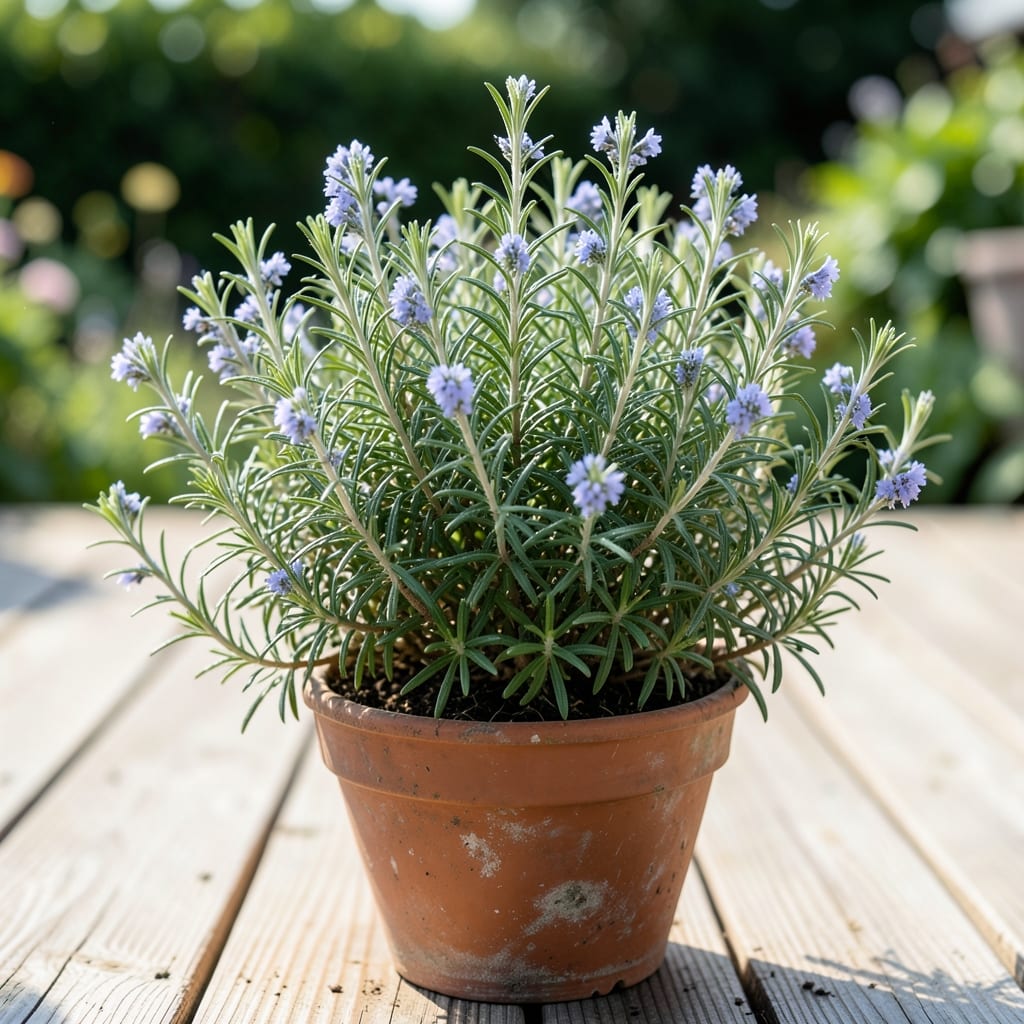
Fresh rosemary offers antioxidants, anti-inflammatory properties, and memory-boosting benefits while enhancing flavor in dishes and supporting digestion.
I love how this herb does double duty in my kitchen and health routine. Its carnosic acid and rosmarinic acid compounds fight free radicals, while the aroma alone can sharpen focus. Plus, it thrives in containers, making it a must-have for balcony gardeners. ✨
What’s fascinating is its versatility—just a sprig elevates roasted vegetables or homemade bread, and its oils are prized in aromatherapy for stress relief.
💡 In This Article
The secret lies in rosemary’s carnosic acid and rosmarinic acid, two compounds that give this herb its antioxidant superpowers. These molecules neutralize free radicals more effectively than vitamin E, protecting cells from oxidative stress. Studies show just 1 gram of rosemary extract can boost antioxidant activity in the bloodstream within 30 minutes of consumption.
For cognitive benefits, rosemary’s aroma contains 1,8-cineole, a compound that crosses the blood-brain barrier. When inhaled, it increases acetylcholine levels – the same neurotransmitter targeted by Alzheimer’s medications. In one study, participants in rosemary-scented rooms scored 15% higher on memory tests compared to unscented environments. ✨
The digestive advantages come from rosemary’s ability to stimulate bile production. The herb’s volatile oils trigger gallbladder contractions, helping break down fats more efficiently. This is why a sprig in meat dishes does more than add flavor – it actually aids the digestion of those fats.
I’ve noticed this effect firsthand when using rosemary in lamb dishes, where it seems to prevent that heavy, sluggish feeling afterward.
Rosemary also demonstrates significant anti-inflammatory effects. Its compounds inhibit COX-1 and COX-2 enzymes, similar to how aspirin works but without the stomach irritation. This makes it particularly valuable for joint health, with some studies showing 50% reduction in inflammatory markers after regular consumption. 🔥
What’s fascinating is how these benefits compound. The same compounds that fight inflammation also support circulation, while the antioxidants protect the very blood vessels that the improved circulation benefits. It’s a virtuous cycle that makes rosemary more than just the sum of its parts.
Inhaling rosemary’s aroma boosts 1,8-cineole levels, which increase acetylcholine in the brain. Studies show this can improve memory recall by up to 15% in scented environments.
Yes! Rosemary stimulates bile production, helping break down fats more efficiently. This is why it’s often paired with rich meats like lamb to prevent that heavy feeling afterward.
Wrap sprigs in damp paper towels and refrigerate for up to 2 weeks. For longer storage, dry the stems and keep in airtight containers for up to 6 months.
Generally yes, but avoid high doses if pregnant or on blood thinners, as it may interact with medications. Always consult a doctor if you have health concerns.