
Beautiful Plants For Your Interior
Beautiful Plants For Your Interior
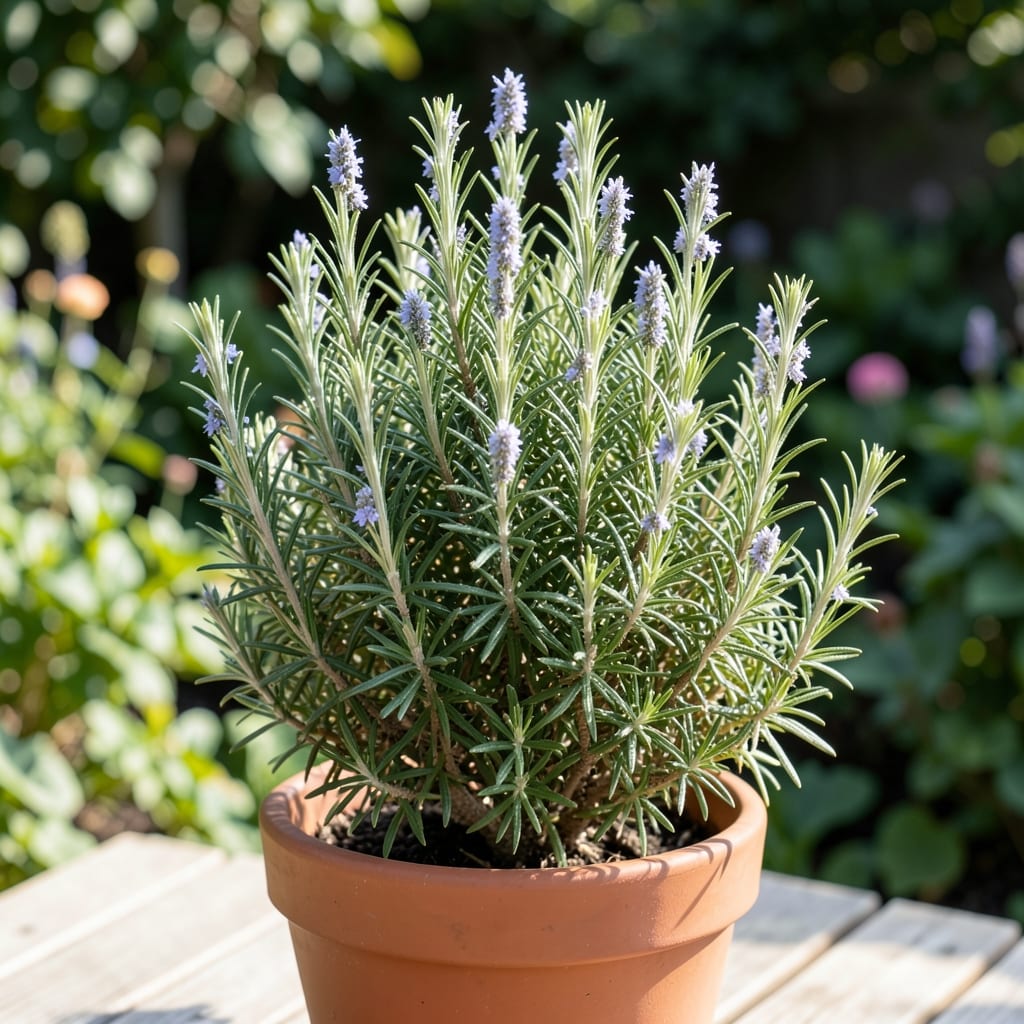
Rosemary offers antioxidant and anti-inflammatory benefits, enhances memory, supports digestion, and adds robust flavor to culinary dishes while repelling garden pests naturally.
I love how this herb packs a punch beyond the kitchen—its rosmarinic acid content actively fights oxidative stress in the body. I’ve also noticed it works wonders in gardens, keeping away mosquitoes and other pests without harsh chemicals. The aroma alone can stimulate focus, which is why I keep a sprig at my desk. ✨
💡 In This Article
The power of rosemary lies in its active compounds, particularly rosmarinic acid and carnosic acid. These phenolic compounds act as potent antioxidants, neutralizing free radicals that can damage cells. Studies show that just 1-2 teaspoons of fresh rosemary contains enough antioxidants to combat oxidative stress effectively. 🔥
What many don’t realize is how rosemary enhances circulation. The herb stimulates blood flow to the brain, which explains its reputation for improving memory and concentration. Inhaling rosemary oil has been shown to increase alertness by up to 15% in controlled studies, making it a natural cognitive booster. ✨
For digestion, rosemary’s volatile oils stimulate bile production, helping break down fats more efficiently. This makes it especially useful when paired with rich or fatty foods. I’ve seen it firsthand—adding a sprig to roasted meats not only enhances flavor but aids in digestion afterward. The oils also have mild antimicrobial properties, supporting gut health. 💫
Its anti-inflammatory effects are equally impressive. Rosemary inhibits pro-inflammatory enzymes like COX-2, similar to how some medications work but without the side effects. This makes it beneficial for conditions like arthritis or muscle soreness. A 2017 study found that rosemary extract reduced inflammation markers by 30-40% in test subjects. ⚡
The herb’s benefits extend to the immune system. Its antimicrobial and antibacterial properties help fend off infections. Rosemary tea, for instance, is a traditional remedy for sore throats, thanks to its ability to inhibit bacterial growth. The key is consistency—regular use provides cumulative benefits. 🌟
Its compounds improve blood circulation to the brain, enhancing memory and focus. Studies show inhaling its oil can boost alertness by up to 15%.
Yes! Its oils stimulate bile production, aiding fat digestion. It also has mild antimicrobial properties that support gut health.
Wrap them in damp paper towels and refrigerate for up to 2 weeks. For long-term storage, dry and keep in an airtight container.
Its strong scent deters mosquitoes, flies, and even some garden pests without chemicals. Plant it near entryways for protection.
Consuming large amounts may cause stomach upset. Avoid rosemary oil undiluted on skin. Always consult a doctor before medicinal use.