
Beautiful Plants For Your Interior
Beautiful Plants For Your Interior
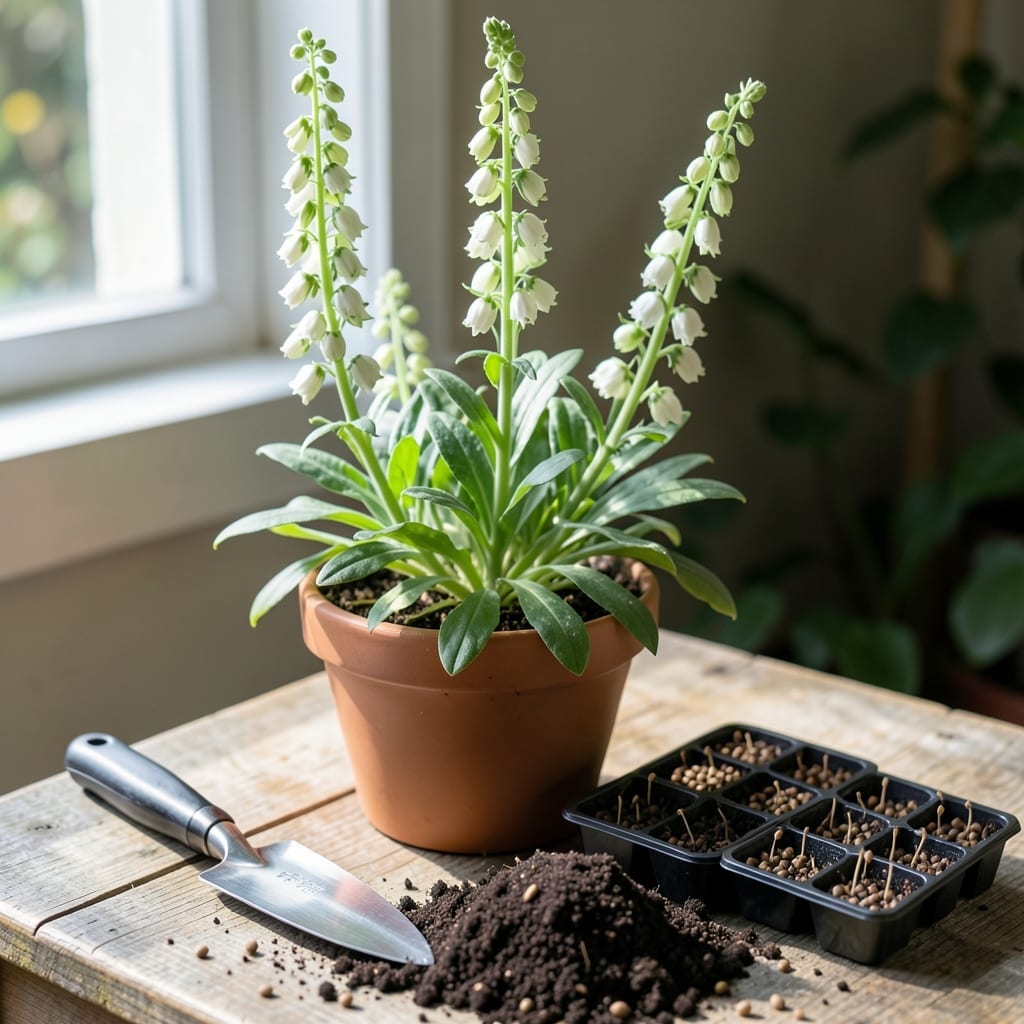
Struggling to get your Bells Of Ireland 🌿 seeds to sprout? You’re not alone – these unique flowers can be tricky, but the right conditions make all the difference.
I’ve tested multiple methods to find what works fastest. With the proper approach, you’ll see those distinctive green shells emerging sooner than you think.
Let me walk you through the exact steps to achieve faster, healthier germination. The secret lies in a few simple but crucial details most gardeners overlook.
Getting Bells of Ireland seeds to sprout requires precise conditions. I’ve found that temperature, light, and soil moisture are the most critical factors for success. These unique flowers thrive with consistency.
For best results, aim for 70-75°F soil temperature and bright indirect light. The seeds need consistent moisture without waterlogging. This balance prevents rot while encouraging growth.
| Requirement | Specification |
|---|---|
| Temperature | 70-75°F |
| Light | Bright indirect |
| Soil Depth | 1/4 inch |
| Moisture | Consistently damp |
| Soil Type | Well-draining mix |
| Timing | 6-8 weeks pre-frost |
I always start seeds indoors about 6-8 weeks before the last frost. This gives them a head start before transplanting. Use a seedling heat mat if your home runs cool.
The soil mix matters too. I recommend a light seed-starting mix with added perlite. This ensures good drainage while retaining enough moisture for the seeds to sprout.
Light exposure is another key factor. While they need light to germinate, direct sun can dry out the soil too quickly. A south-facing window with sheer curtains works perfectly.
Keep the humidity high by covering trays with plastic wrap. This creates a mini greenhouse effect. Remove the cover once sprouts appear to prevent mold growth.
I’ve noticed that pre-soaking seeds for 24 hours can speed up germination. This softens the seed coat, allowing moisture to penetrate faster.
Remember, patience is key. Bells of Ireland can take 10-21 days to sprout. Don’t give up if you don’t see results immediately. Keep the conditions steady.
Once sprouted, move seedlings to bright light immediately. Weak light causes leggy growth. A grow light can help if natural light is insufficient.
With these conditions met, you’ll see those distinctive green bell-shaped flowers emerging strong and healthy 🌿
Germinating Bells of Ireland seeds is straightforward once you know the steps. I start by selecting high-quality seeds from a trusted supplier, as fresh seeds have better viability and sprout faster.
Begin by filling seed trays with a light seed-starting mix. Gently press the seeds into the soil, covering them with just 1/4 inch of mix. This shallow depth prevents smothering while keeping them secure.
After planting, I mist the soil thoroughly with water. Using a spray bottle helps prevent dislodging the seeds. Then, I cover the trays with clear plastic wrap to maintain humidity.
Place the trays in a warm location with bright indirect light. A seedling heat mat can help maintain the ideal temperature if your home is cooler than 70°F.
Check the trays daily for moisture levels. If the soil feels dry, mist it lightly. I aim to keep the soil consistently damp but never waterlogged, as too much water can cause the seeds to rot.
Germination typically takes 10-21 days. Once sprouts appear, remove the plastic cover and move the trays to a location with bright light. This prevents leggy growth and strengthens the seedlings.
When seedlings have 2-3 true leaves, they’re ready for transplanting. Harden them off gradually before moving them outdoors for best results 🌿