
Beautiful Plants For Your Interior
Beautiful Plants For Your Interior
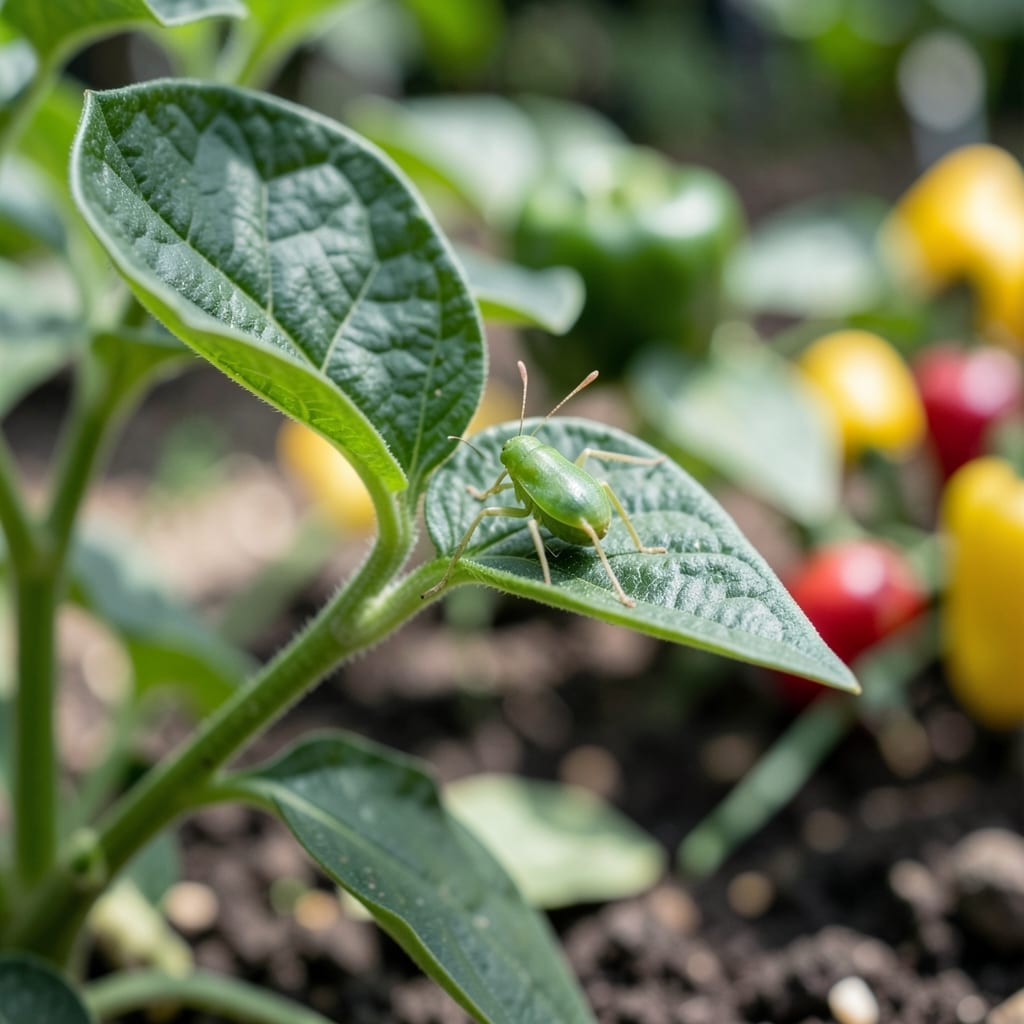
Bell peppers attract their share of uninvited guests. I’ve lost entire crops to tiny invaders before learning how to spot trouble early—before the damage spreads.
Aphids cluster on new growth, stunting leaves with their sticky residue. Pepper maggots burrow inside fruits, leaving telltale holes. These pests thrive in warm weather, but a daily inspection catches them before they multiply.
Organic solutions work surprisingly well. A strong blast of water dislodges aphids, while row covers block adult insects from laying eggs. Neem oil disrupts their life cycle without harsh chemicals.
Prevention is simpler than cure. Healthy soil, proper spacing, and removing plant debris go a long way toward keeping your peppers pest-free all season.
Bell peppers are a magnet for insects due to several natural and environmental factors. Here’s why these pests show up in the first place:
Bell peppers are rich in sugars, vitamins, and moisture, making them a prime food source for insects like aphids, whiteflies, and pepper maggots. The plant’s sap and tender foliage provide easy access to nutrients, especially during active growth phases.
Stressed or unhealthy plants release chemical signals that attract pests. Overwatering, poor soil quality, or lack of sunlight can weaken a bell pepper’s natural defenses, making it more susceptible to infestations. Proper care strengthens the plant’s resilience.
Warm, humid climates create ideal breeding grounds for many bell pepper pests. Thrips and spider mites thrive in dry, hot weather, while cutworms and hornworms prefer moist, shaded areas. Stagnant air and overcrowded plants also encourage pest proliferation.
Without beneficial insects like ladybugs, lacewings, or parasitic wasps, pest populations can spiral out of control. Monoculture gardening (growing only peppers) often disrupts the natural balance, reducing predator presence.
Dealing with pests on your bell peppers doesn’t have to mean harsh chemicals. Here’s how to tackle common invaders and keep your plants thriving.
Mix 1 tablespoon of mild liquid soap with 1 quart of water and spray directly on leaves, focusing on the undersides where these pests hide. The soap disrupts their cell membranes, causing them to dehydrate. Prevention tip: 💡 Introduce ladybugs or lacewings, natural predators that keep aphid populations in check.
Bury a shallow dish filled with beer near your plants—slugs and snails are attracted to it and will drown. For a non-liquid approach, create a barrier with copper tape or crushed eggshells around the base of plants. Prevention tip: 🌱 Clear garden debris and water plants in the morning to reduce damp hiding spots.
Dilute 2 tablespoons of neem oil in 1 gallon of water and spray evenly over the foliage. Neem oil smothers mites and disrupts their life cycle. Apply in the early morning or late evening to avoid harming beneficial insects. Prevention tip: ✨ Regularly mist plants to increase humidity, as spider mites thrive in dry conditions.
Check plants daily and remove beetles by hand, dropping them into soapy water. For larger infestations, use floating row covers to physically block access to your peppers. Prevention tip: 🎯 Plant marigolds or basil nearby—their strong scents deter beetles.
For all treatments, reapply after rain or every 5–7 days until pests are gone. Consistency is key to breaking their life cycles!
Check for yellowing leaves, sticky residue, or tiny holes in foliage. Aphids leave a shiny film, while pepper maggots create small entry points in fruits.
Daily checks are ideal during warm months. Focus on leaf undersides and new growth where pests like to hide. Early detection saves crops!
Yes! Plant basil or marigolds nearby to repel pests naturally. Their strong scents confuse insects looking for your peppers.
Apply sprays in early morning or late evening to avoid harming pollinators. Neem oil works best every 5–7 days until pests vanish.