
Beautiful Plants For Your Interior
Beautiful Plants For Your Interior
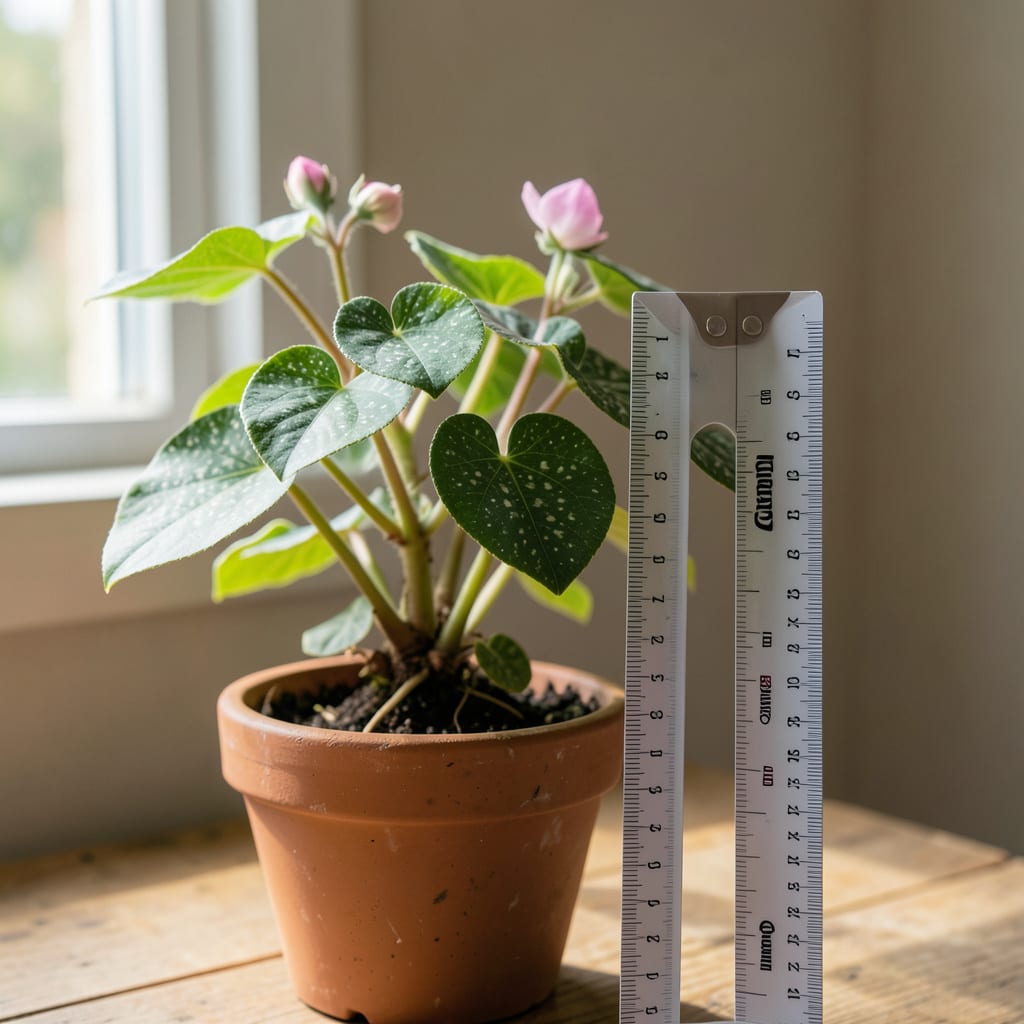
Begonias are a popular choice for gardeners, and their beautiful foliage and vibrant blooms make them a great addition to any garden 🌺. But have you ever wondered how tall they’ll grow?
Understanding their growth habits is key to successful cultivation. In USDA Zone 6, Begonias can grow anywhere from 0.5 to 2 feet tall, depending on the variety and growing conditions. Let’s explore what affects their height and how to care for them.


Begonias are known for their beautiful foliage and vibrant blooms, but their growth heights can vary significantly depending on the variety and growing conditions. In general, Begonias can grow anywhere from 0.5 to 2 feet tall.
The height of Begonias is influenced by factors such as light exposure, watering, and fertilization. Understanding these factors is crucial for successful cultivation and achieving the desired height 🌺.
Some Begonia varieties, like the Angel Wing Begonia, can grow quite tall, reaching heights of up to 2 feet, while others, like the Dwarf Begonia, remain relatively compact, growing to around 0.5 feet.
The growing conditions also play a significant role in determining the height of Begonias. For example, Begonias grown in bright, indirect light tend to grow taller than those grown in low light conditions.
To achieve the desired height, it’s essential to provide Begonias with the right growing conditions. This includes watering them regularly, fertilizing them during the growing season, and pruning them to maintain shape.
By understanding the growth habits of Begonias and providing the right care, you can enjoy these beautiful plants in your garden or indoor space 🌿.
Begonias are relatively low-maintenance plants, making them a great choice for gardeners of all skill levels. With proper care, they can thrive and provide beautiful foliage and blooms for months to come 💐.
In addition to their aesthetic appeal, Begonias also have a number of benefits for the garden ecosystem. They can help to attract pollinators and add texture and interest to the garden.
Overall, Begonias are a versatile and rewarding plant to grow, and with the right care, they can reach their full potential and provide years of enjoyment 🌻.
By following the tips and guidelines outlined in this article, you can help your Begonias grow and thrive, achieving the desired height and enjoying their beautiful foliage and blooms for months to come.
Begonias are known for their beautiful foliage and vibrant blooms, and their height can be influenced by several factors. Understanding these factors is crucial for successful cultivation and achieving the desired height 🌺.
The height of Begonias is affected by light exposure, watering, temperature, and fertilization. Let’s explore how these factors impact Begonia growth and maximum height achievement.
To promote healthy growth and achieve the desired height, ensure your Begonias receive bright, indirect light and maintain a consistent watering schedule. Avoid overwatering, which can lead to root rot and stunted growth 🌿.
Light exposure plays a significant role in determining Begonia height. Begonias grown in bright, indirect light tend to grow taller than those grown in low light conditions. Aim for 4-6 hours of indirect sunlight daily for optimal growth.
Watering is another critical factor. Begonias prefer consistently moist soil but not soggy. Water them every 3 days during the growing season, and reduce watering during the winter months ❄️.
Temperature also affects Begonia growth. Keep them in an area with a consistent temperature between 65°F to 75°F (18°C to 24°C). Avoid placing them near drafts or extreme temperatures, which can cause stress and impact growth.
Fertilization is essential for promoting healthy growth. Feed your Begonias with a balanced fertilizer during the growing season, following the manufacturer’s instructions 📦.
By understanding and controlling these factors, you can help your Begonias grow and thrive, achieving the desired height and enjoying their beautiful foliage and blooms for months to come 🌻.
In summary, Begonias require careful consideration of light, water, temperature, and fertilizer to achieve optimal growth and height. By following these guidelines, you can enjoy the beauty and benefits of these wonderful plants 🌺.
Begonias can grow quite tall, reaching heights of up to 2 feet, but with proper care and management, you can control their height and promote healthy growth 🌺.
Pruning is an essential technique for managing Begonia height. By removing dead or damaged leaves and stems, you can encourage new growth and maintain the plant’s shape ✂️.
Regularly inspect your Begonias for dead or damaged leaves and remove them to prevent the spread of disease and encourage healthy growth 🌿.
Cut back leggy stems to encourage bushy growth and prevent the plant from becoming too tall or spindly 🌻.
For taller Begonia varieties, provide support using stakes or trellises to keep them upright and promote even growth 🌼.
In addition to pruning, proper container management is crucial for controlling Begonia height. Make sure the pot is not too small, as this can restrict root growth and impact the plant’s overall height 🌿.
By following these pruning and support techniques, you can effectively manage your Begonia’s height and enjoy a healthy, thriving plant 🌺.
Regular maintenance is key to keeping your Begonias looking their best. By combining pruning, staking, and proper care, you can create a beautiful display that showcases these wonderful plants 🌻.
With these tips and techniques, you’ll be well on your way to becoming a Begonia expert and enjoying the many benefits these plants have to offer 🌼.
Begonias can grow anywhere from 0.5 to 2 feet tall, depending on the variety and growing conditions. Some compact varieties like Dwarf Begonias remain relatively short, while others like Angel Wing Begonias can reach their maximum height. Proper care helps them achieve their full potential height range.
Light exposure significantly impacts Begonia growth. Plants grown in bright, indirect light (4-6 hours daily) tend to grow taller than those in low light conditions. For optimal growth, place them near an east-facing window where they can receive the right amount of indirect sunlight.
Yes, pruning is an effective way to manage Begonia height. Removing dead or damaged leaves and cutting back leggy stems encourages bushy growth and maintains the plant’s shape. Regular pruning helps keep your Begonias healthy and thriving at their desired height.
Begonias prefer consistently moist soil but not soggy conditions. Water them every 3 days during the growing season, and reduce frequency during winter months. Proper watering helps maintain optimal growth and prevents issues like root rot.
