
Beautiful Plants For Your Interior
Beautiful Plants For Your Interior
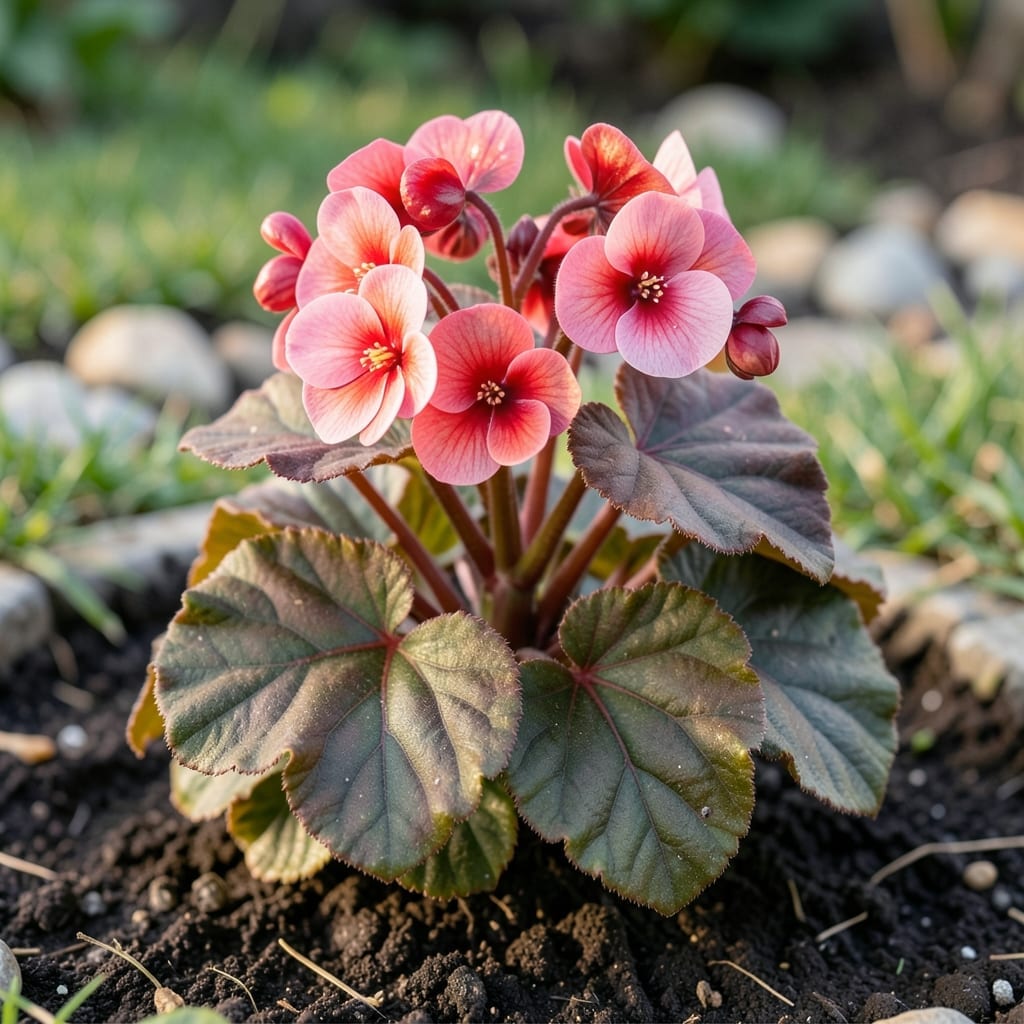
Begonias bring vibrant color to gardens and homes, but their light needs often puzzle growers. Whether you’re planting them in beds or containers, understanding their sun and shade preferences is key to lush, healthy blooms.
The 🌸 Begonia thrives in balanced conditions, not too much sun and not too little. Getting this right means the difference between struggling plants and a flourishing display.
Many gardeners assume full sun is always best, but with begonias, that couldn’t be further from the truth. Their delicate foliage can scorch under harsh rays, while too much shade leaves them leggy and weak.
Discover how to strike the perfect light balance for your begonias, ensuring vibrant blooms and vigorous growth all season long.

If you’ve ever wondered whether your begonias need full sun or shade, you’re not alone. Most varieties thrive in partial shade, but the ideal light depends on the type. Tuberous begonias love morning sun, while rex begonias prefer indirect light.
Too much direct sunlight can scorch their leaves, but too little light leads to weak stems and fewer blooms. The key is finding that perfect balance for vibrant, healthy plants.
| Begonia Type | Ideal Light | Signs of Stress |
|---|---|---|
| Tuberous | Morning sun, afternoon shade | Scorched leaves in hot sun |
| Fibrous | Partial shade (4-6 hours) | Leggy growth in low light |
| Rex | Bright indirect light | Faded foliage in direct sun |
Tuberous begonias can handle more sun than other types, but they still need protection from harsh afternoon rays. I’ve found they bloom best with 3-4 hours of morning sunlight followed by shade.
For fibrous-rooted begonias, like wax begonias, partial shade is ideal. These are the classic bedding plants that do well in filtered light under trees or on east-facing patios. 🌿
Rex begonias, grown for their stunning foliage, are the most shade-tolerant. They prefer bright indirect light and can even thrive under artificial grow lights indoors. Too much sun causes their leaves to lose color.
If your begonias get too much sun, you’ll notice brown crispy edges on the leaves. On the flip side, not enough light leads to spindly growth and fewer flowers. Adjust their location as needed.
In my garden, I place potted begonias where they get dappled sunlight through tree branches. This mimics their natural understory habitat and keeps them happy and blooming all season long.
For indoor begonias, an east-facing window is perfect. It provides gentle morning light without the intensity of afternoon sun. If you only have a south-facing window, use a sheer curtain to diffuse the light. ✂️
Remember, begonias are versatile plants, but their light needs vary by type. Experiment with different spots in your garden or home to find what works best for your specific varieties.
Finding the perfect light balance for begonias can feel tricky, but it’s simpler than you think. These plants thrive in bright indirect light, making them ideal for patios, gardens, and indoor spaces with filtered sunlight.
I’ve found that morning sun is gentler on begonias, while harsh afternoon rays can scorch their delicate leaves. A spot with dappled shade or partial sunlight keeps them happy and blooming vibrantly.
For outdoor begonias, I recommend placing them where they get 4-6 hours of sunlight daily, preferably in the morning. This mimics their natural habitat and prevents leaf burn.
If you’re growing begonias indoors, a west-facing window works well, but monitor for signs of stress. Yellowing leaves often mean too much sun, while leggy stems suggest not enough light.
I’ve had great success pairing begonias with companion plants like ferns or hostas. These provide shade and create a microclimate that keeps begonias thriving in mixed borders.
Don’t forget to adjust for seasonal changes. In summer, even shade-loving begonias may need protection from intense heat, while in cooler months, they can handle a bit more sun.
☀️