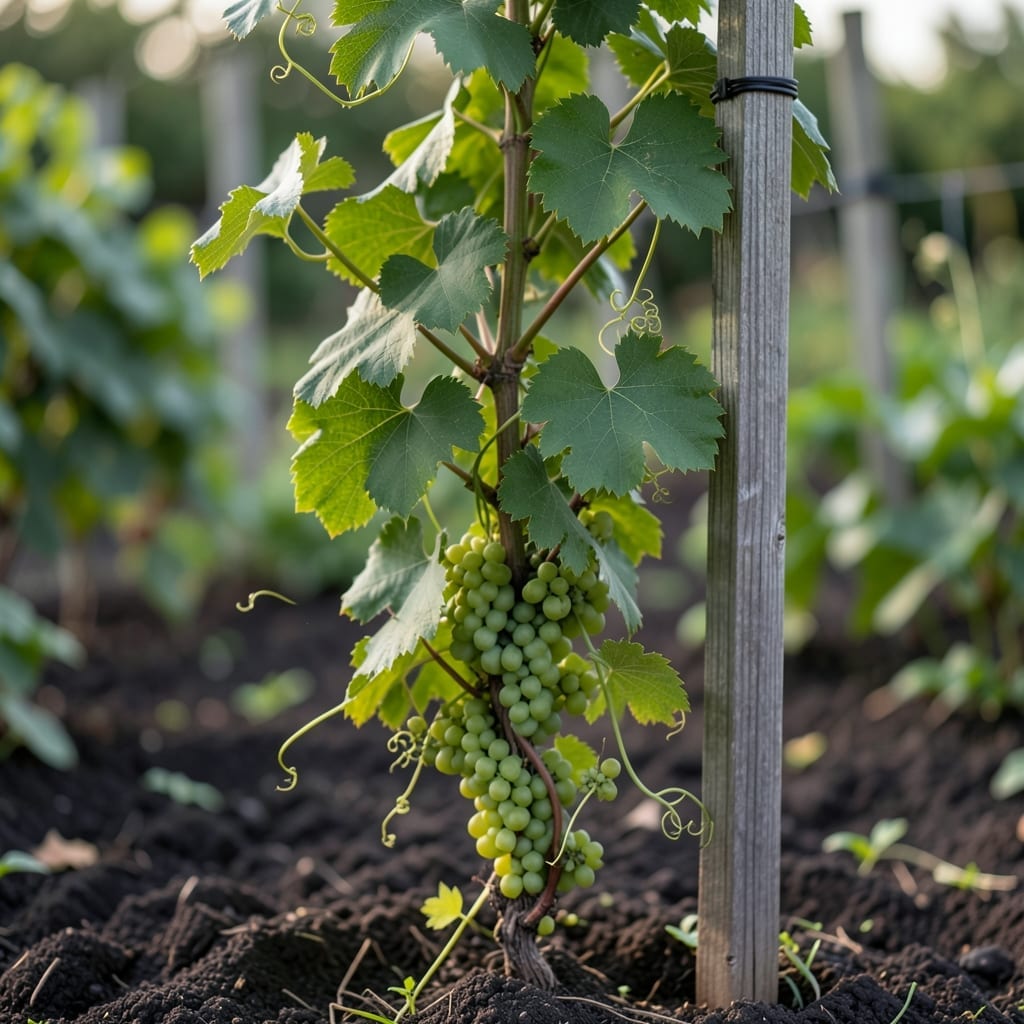
Before the Grapes Ripen: Seasonal Care for Bigger Harvests

Before the Grapes Ripen: Seasonal Care for Bigger Harvests

The weeks leading up to harvest are the key to transforming good grapes into great ones. This often-overlooked period determines whether you’ll get a mediocre yield or a vineyard-worthy bounty.

For Grape growers, the time before the grapes ripen is when you can make the biggest impact. Small adjustments in care during this window can dramatically improve your harvest quality and quantity.

I’ll show you exactly what to watch for and how to give your Grape vines the attention they need to thrive. Let’s discover how to set yourself up for success this season.

Style 16: Quick Tips – General
🌅
Morning
Pick early for best flavor & crunch
✂️
Clean Cut
Use scissors, don’t pull or twist
🔄
Check Daily
Ripeness can change overnight!

Key Vineyard Tasks to Complete Before Grapes Ripen

The weeks before grapes ripen are your last chance to shape a stellar harvest. This is when grape clusters are rapidly developing, and your care decisions will directly impact their flavor, size, and quality.

I focus on four critical tasks during this window: pruning for airflow, thinning excess fruit, adjusting water, and monitoring pests. Each step ensures your grape vines direct energy where it matters most.

Pre-Ripening Grape Care Steps

  1. Prune excess foliage to improve air circulation and sunlight penetration.
  2. Thin grape clusters to allow remaining fruit to grow larger and sweeter.
  3. Adjust watering to deep but infrequent as fruit matures.
  4. Inspect for pests like grape berry moths or powdery mildew weekly.

Start with canopy management by removing about 30% of leaves around clusters. This improves airflow, which is vital for preventing fungal diseases that can ruin your crop before harvest.

Cluster thinning is next. I remove the smallest, weakest clusters first, leaving only the healthiest. For varieties like Concord or Thompson Seedless, aim for 6-8 inches between clusters.

Watering needs change as grapes mature. Switch from frequent shallow watering to deep soaks every 5-7 days. This encourages deep root growth and prevents berry splitting from uneven moisture.

Use a moisture meter to check soil at 6-inch depth. If it’s dry, it’s time to water. Morning is best to allow foliage to dry, reducing disease risk.

Pest vigilance is critical now. Grape berry moths lay eggs on developing fruit, and their larvae can cause significant damage. I check under leaves and around clusters weekly for signs.

For organic control, I use neem oil or introduce beneficial insects like ladybugs. These methods protect your crop without harsh chemicals that could affect grape quality.

Finally, support your vines. As fruit swells, ensure trellises are secure and can handle the weight. Adjust ties as needed to prevent vine strain that could snap canes.

This pre-ripening period is when your attention to detail pays off. Each small adjustment now leads to bigger, sweeter grapes at harvest time ☀️

Signs Your Grapes Are Approaching Ripeness

The weeks before grapes ripen reveal subtle changes that signal harvest is near. Watching for these cues helps you time your picking perfectly for the best flavor and texture.

I start checking for color transformation first. Most grape varieties shift from green to their mature hue—deep purple for Concord, golden yellow for Muscat, or rich red for Cabernet.

Ripeness Sign What to Look For Color Change Full variety-specific hue appears Cluster Firmness Grapes feel plump and springy Stem Condition Stems turn brown and woody Taste Test Sweet, not tart or sour

Texture changes are equally telling. Ripe grapes feel firm yet juicy when gently squeezed. Underripe fruit often feels hard, while overripe grapes may feel soft or mushy.

Another key indicator is stem color. As grapes mature, the stems transition from green to brown and woody. This change often happens just before the fruit is ready.

For the most accurate check, I always do a taste test. Sample a few grapes from different clusters. They should taste sweet and full-bodied, not tart or astringent.

Pay attention to aroma too. Ripe grapes emit a sweet, fruity fragrance that’s especially noticeable in the morning. This scent intensifies as sugar content rises.

Finally, check how easily grapes detach from the vine. Ripe fruit should separate with a gentle tug, leaving the stem attached to the cluster. This is nature’s way of saying they’re ready 🌿

★★★★★4.9(4 reviews)