
Beautiful Plants For Your Interior
Beautiful Plants For Your Interior
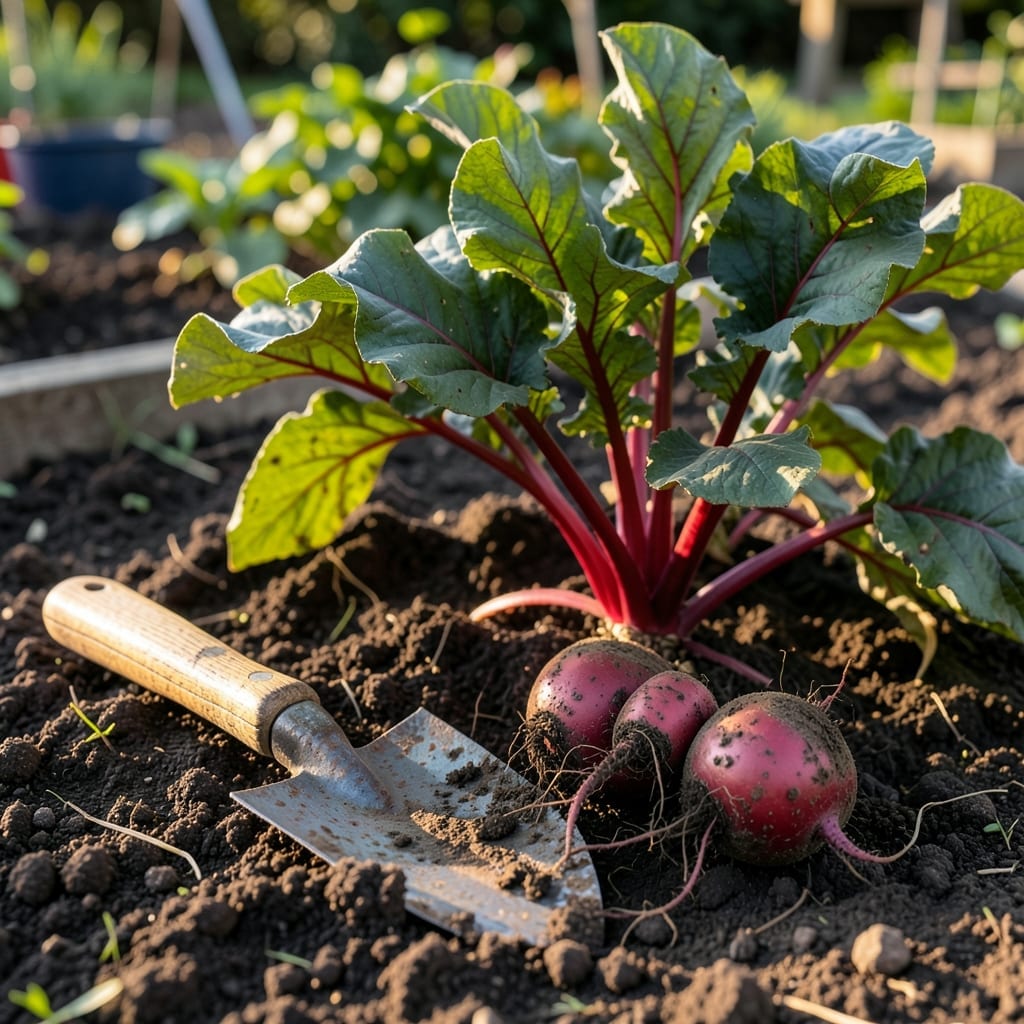
Beets contain betalain pigments that turn urine pink or red after consumption. This harmless effect appears in about 10-14% of people and typically fades within 48 hours.
This happens because your body absorbs and processes the vibrant compounds differently. I notice it most after eating raw or juiced beets, though cooked ones can trigger it too. The variation comes from individual differences in stomach acidity and gut bacteria efficiency. ✨
While it might look alarming, there is no need for concern unless the discoloration persists beyond 2 days or you experience other symptoms. 💫
💡 In This Article
The vibrant red-purple hue comes from betalain pigments, specifically betacyanins and betaxanthins. These water-soluble compounds are absorbed in the small intestine but aren’t fully broken down in some individuals. When they’re excreted through urine, they retain their color, creating that distinctive pink or red tint.
The process is similar to how turmeric can turn urine bright yellow.
What determines whether you’ll see this effect? It depends on your stomach acidity and gut microbiome. High stomach acid can break down more betalains, while certain gut bacteria are more efficient at metabolizing them. This is why only about 10-14% of people notice the color change.
The pigment concentration in your urine also depends on how much beetroot you consumed and your hydration level.
Raw beets contain 200-600 mg of betalains per 100 grams, while cooking reduces this by about 10-20%. The pigments are most stable in acidic conditions, which is why they survive the journey through your digestive system.
Once in your urine, the color intensity depends on the pH – more acidic urine (pH <6) will show a brighter red, while alkaline urine (pH >7) may appear more orange.
Interestingly, this phenomenon is more common after consuming beetroot juice than whole beets, as the juicing process makes the pigments more bioavailable. The effect typically appears within 2-8 hours after consumption and lasts 12-48 hours, depending on your metabolism and hydration status. 🔥
The color change is completely harmless and doesn’t indicate any health issues. In fact, betalains are powerful antioxidants that may have anti-inflammatory benefits. The only time to pay attention is if the discoloration persists beyond 48 hours or is accompanied by other symptoms. ✨
Typically 12-48 hours after eating beets. The effect fades as your body processes the pigments. Staying hydrated helps speed this up.
About 86-90% of people fully break down betalains in their digestive systems. Stomach acidity and gut bacteria efficiency determine whether the pigments appear in urine.
Yes, though raw or juiced beets are more likely to cause noticeable changes. Cooking reduces betalain content by 10-20%, but the effect can still occur.
Larger quantities mean more pigments to process. A single serving may cause faint color, while 2-3 servings can create a deeper red.