
Beautiful Plants For Your Interior
Beautiful Plants For Your Interior
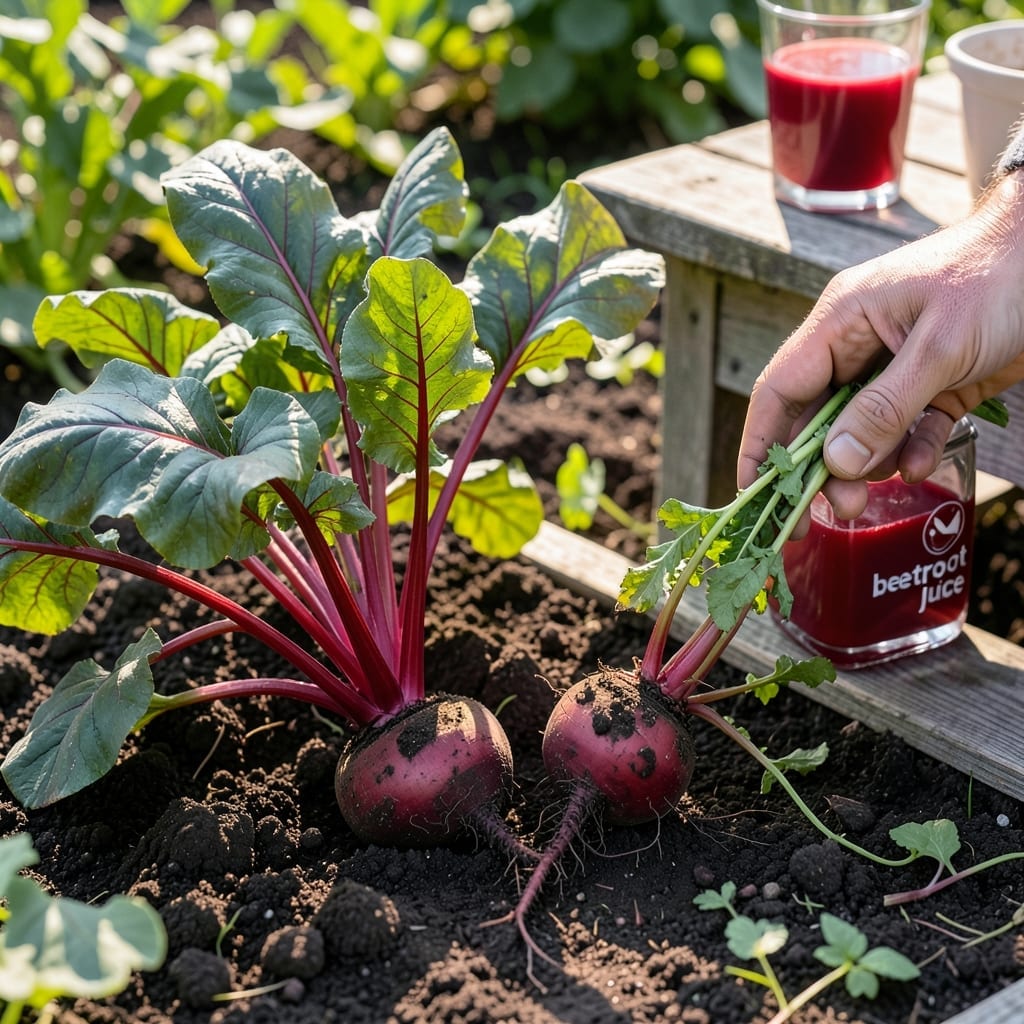
Beetroot juice can turn urine red or pink due to betalain pigments, which are harmless and pass through the body unchanged in some individuals.
This color change happens because betalains are water-soluble and stable enough to survive digestion in certain people. I’ve noticed it’s more noticeable after consuming raw juice compared to cooked beets. The variation comes down to gut bacteria and stomach acid levels, which affect pigment absorption. ✨
Interestingly, about 10-14% of people experience this due to their unique digestive chemistry. It’s completely normal and temporary, typically fading within 24-48 hours. 💫
💡 In This Article
The vibrant red and yellow hues in beetroot come from betalains, a class of water-soluble pigments. Unlike many plant compounds, these pigments resist breakdown in the stomach’s acidic environment. In individuals with lower stomach acidity or specific gut bacteria, betalains pass through the digestive tract largely intact, eventually appearing in urine.
What’s fascinating is the role of pH levels. Beetroot juice has a pH around 5.0-6.0, which helps preserve betalains during digestion. When urine pH shifts slightly alkaline (above 7.0), the red betalains become more visible, creating that striking color change. This explains why the effect can vary day to day for the same person. ✨
Gut health plays a crucial part in this process. People with higher concentrations of certain gut bacteria have more efficient pigment metabolism, meaning they’re less likely to see color changes. Conversely, those with faster digestive transit times (under 24 hours) often notice the effect more prominently, as the pigments spend less time being broken down.
💫
There’s also a genetic component. Studies suggest that roughly 10-14% of the population consistently exhibits this color change due to their unique digestive enzyme profiles. For these individuals, even small amounts of beetroot juice (8-12 ounces) can produce noticeable urine discoloration within 2-4 hours of consumption.
The color intensity varies based on beetroot concentration. Fresh, raw juice contains 20-60 mg of betalains per 100ml, while cooked beets have about 30% less. This is why raw juice drinkers often report more dramatic color changes than those eating cooked beets. The pigments are simply more concentrated and stable in their natural form. ⚡
No, it’s completely harmless and temporary. The red color comes from betalain pigments passing through your system unchanged. This effect typically fades within 24-48 hours.
About 10-14% of people experience it due to differences in gut bacteria and stomach acidity. Faster digestion or lower acidity makes the pigments more visible in urine.
Yes, but it’s less intense. Cooking reduces betalain content by about 30%. Raw juice has the strongest impact because its pigments are more concentrated.
Drinking 8-12 ounces of raw juice often produces noticeable discoloration within 2-4 hours. Smaller amounts may cause only a faint tint.