
Beautiful Plants For Your Interior
Beautiful Plants For Your Interior
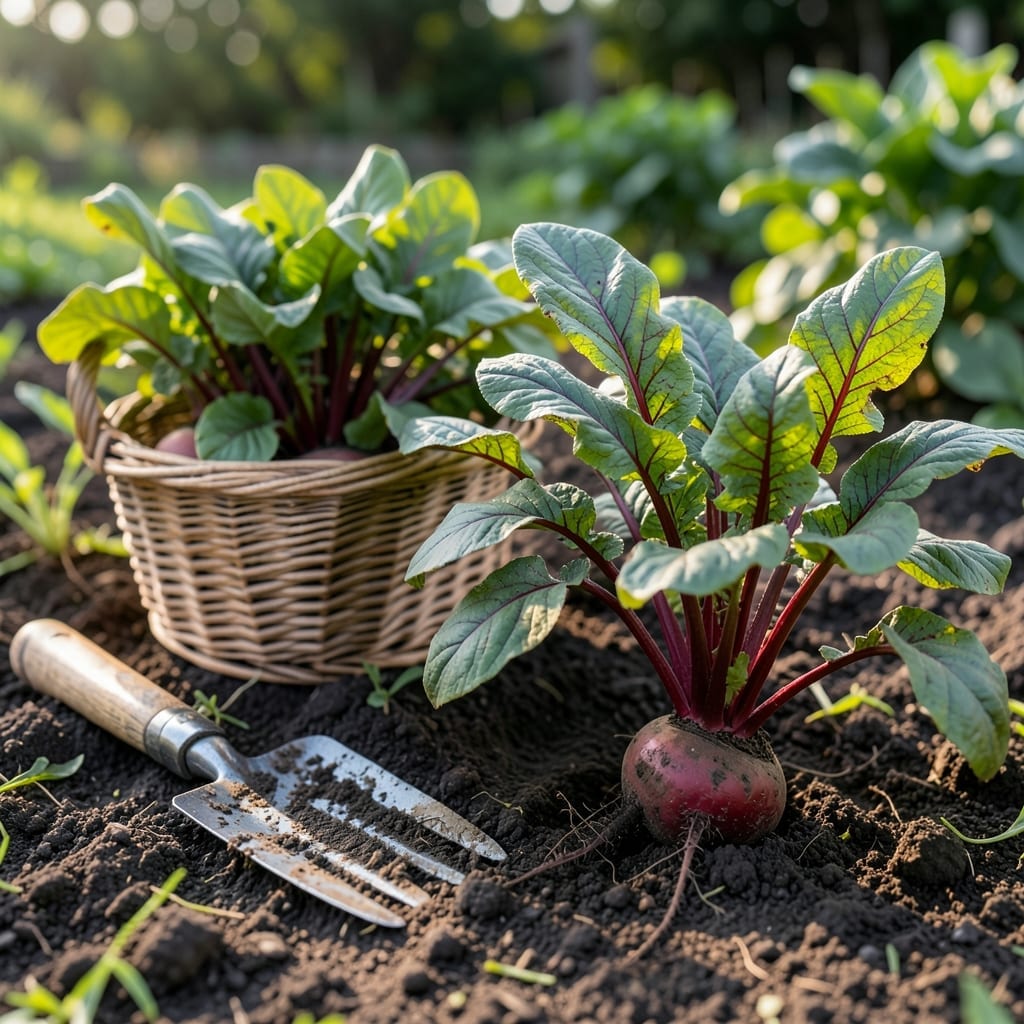
There’s nothing quite like the satisfaction of pulling fresh beets from your garden, but timing is everything. Too early, and they’re underdeveloped. Too late, and they turn woody and bitter.
I’ve learned that the key to perfect beets lies in subtle soil-level clues most gardeners overlook. Those small details make all the difference between a mediocre harvest and sweet, tender roots.
Whether you’re growing for the first time or looking to refine your approach, mastering the harvest window ensures maximum flavor. The 🍠 beets you pull will reward your patience.
Discover how to read the signs, adjust for your climate, and enjoy the best yield of your gardening season. Let’s dig in.

I always tell fellow gardeners that the perfect beets harvest time starts with what you see above ground. Look for the beet shoulders peeking about 1 inch above soil, which is your first visual cue that they’re nearing readiness.
The ideal size for harvesting is when beets reach 1 to 3 inches in diameter. At this stage, they offer the best texture and sweetest flavor without turning woody or bitter.
Another key indicator is the health of the leaves. When your beet greens are vibrant and upright, it typically means the roots are developing well underground. I check this daily once beets approach maturity.
The color intensity of the visible portion can also help. A deep, rich color often indicates full flavor development. For golden beets, look for a bright yellow hue, while red beets should show a deep ruby tone.
I’ve found that gentle brushing of soil away from the base can reveal more of the beet’s size without damaging it. This is especially helpful when you’re uncertain about their readiness.
Remember that overmature beets often develop woody textures and bitter flavors. If you see the beet tops exceeding 3 inches in diameter, it’s usually best to harvest them promptly.
The soil condition matters too. I always harvest when the soil is dry to prevent the beets from becoming mud-caked and difficult to clean. A morning harvest after dew has dried is ideal.
For baby beets, you can start harvesting when they’re about 1 inch in diameter. These are perfect for early salads and have an exceptionally tender texture. I love pulling a few at this stage while letting others continue growing.
Finally, trust your sense of touch. Gently press the soil near the base – if you feel a firm, rounded shape about the size of a golf ball, your beets are likely ready for harvest. 🌱
Timing your beets harvest depends heavily on the variety you’ve planted. Early maturing beets like ‘Early Wonder’ are ready in as few as 50 days, while larger varieties such as ‘Chioggia’ may need up to 80 days to reach peak flavor.
Climate plays a role too. In cooler regions, beets grow more slowly, extending the harvest window. Warmer areas speed up growth, so I check my garden beets a few days earlier than the seed packet suggests.
| Variety Type | Harvest Time | Best For |
|---|---|---|
| Early Varieties | 50-60 days | Quick harvests, succession planting |
| Mid-Season | 60-70 days | Balanced flavor, storage |
| Late Varieties | 70-80 days | Larger roots, fall harvests |
For a continuous harvest, I plant new seeds every 2-3 weeks. This staggering ensures I always have fresh beets ready while avoiding a glut all at once. It’s a game-changer for keeping my kitchen garden productive.
In fall planting, I aim to harvest before the first frost. Beets can tolerate light frost, but hard freezes damage the roots. I use row covers to extend the season by a few weeks if needed.
Watch the soil temperature too. Beets grow best in 60-70°F soil. If temps rise above 75°F, the roots may become woody or bitter, so I harvest earlier in hot spells.
Finally, remember that beet greens are edible too! I snip a few outer leaves as the plants grow, leaving the central rosette to keep producing. This lets me enjoy two crops in one without sacrificing the roots.
✂️