
Beautiful Plants For Your Interior
Beautiful Plants For Your Interior
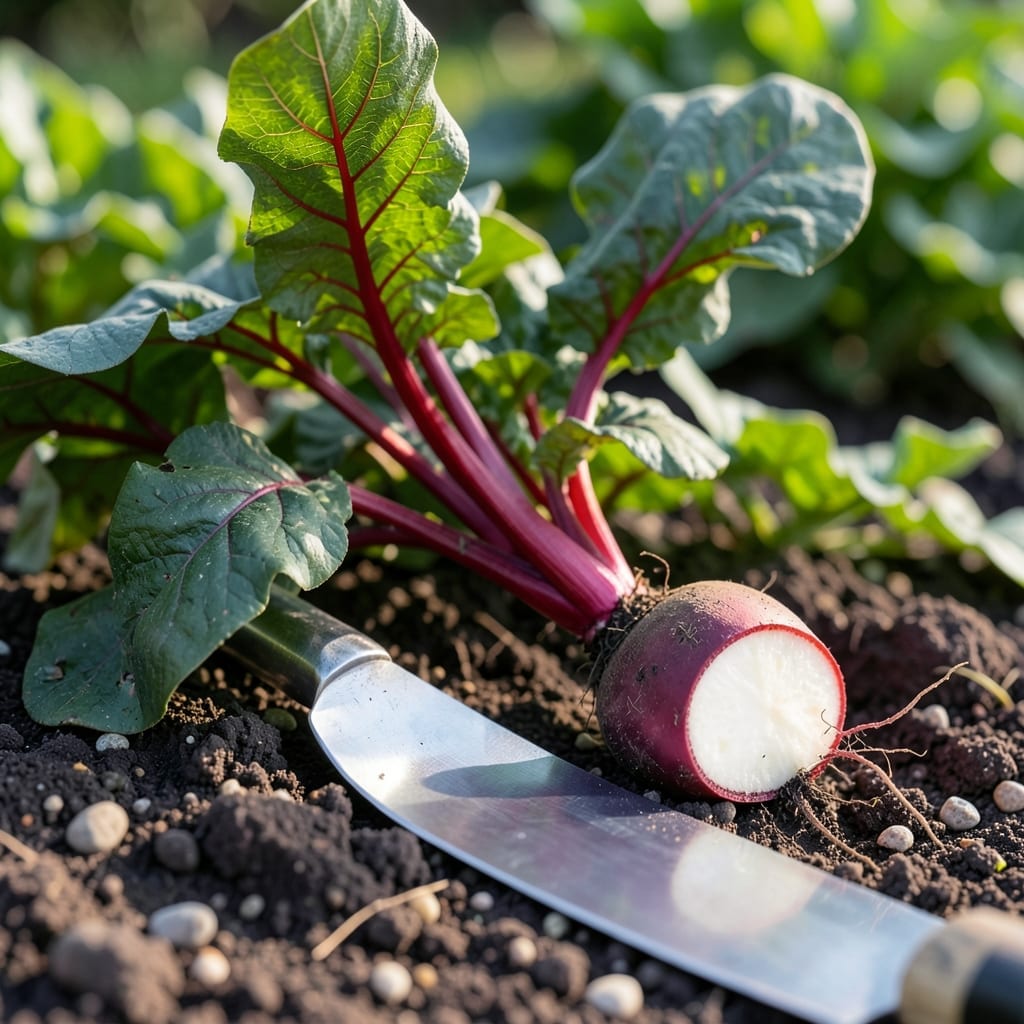
I pulled up my first crop of beets last season expecting that deep red color, only to find pale, white centers staring back at me. It’s frustrating when you’ve put in the work and the results don’t match the vision.
Turns out, white interiors aren’t always a sign of failure. Some varieties naturally grow this way, but more often, it’s about soil conditions or inconsistent watering. I’ve learned that even a few dry days can disrupt the color development.
Fixing it starts with testing your soil and keeping moisture levels steady. The difference between patchy white beets and rich, vibrant red ones often comes down to these two simple adjustments.
With the right approach, next season’s harvest will look as good as it tastes. Here’s how to get it right from the start.
Beetroots are known for their rich, deep red or purple flesh, so finding a white inside can be surprising. This discoloration usually stems from a few specific causes, often tied to genetics, growing conditions, or post-harvest factors. Below, we break down the science behind each trigger.
Some beetroot varieties are naturally bred to have white or striped interiors, such as the Chioggia beet (a heirloom type with concentric white and red rings) or the Albina Verduna, which is entirely white. These aren’t defects—they’re intentional cultivations. If you planted a specialty seed, your beet’s pale flesh is likely by design.
A lack of nitrogen or phosphorus in the soil can stunt pigment development in beets, leading to pale or white interiors. Beets rely on these nutrients to produce betalains, the compounds responsible for their vibrant color. Test your soil and amend it with organic matter or balanced fertilizers to restore color in future crops.
Extreme temperatures (too hot or too cold) or inconsistent watering can disrupt betalain synthesis. Heat stress, in particular, may cause bleaching of the flesh. Mulch your beet bed to regulate soil temperature and maintain even moisture levels to prevent this.
After cutting, beetroot flesh can turn white or gray due to enzymatic browning (similar to apples turning brown). This happens when oxygen reacts with phenolic compounds in the beet. To slow this, store beets whole in the fridge and minimize exposure to air after cutting.
If your beetroot has a white interior, don’t toss it just yet! Here’s how to address the most common causes and restore that vibrant color.
If the beets were harvested too early, they may lack pigment. Fix: Allow them to mature fully in the soil. Beets typically need 50–70 days to develop deep color. If already picked, use them in cooked dishes (like soups or roasts) where their mild flavor still shines.
Prevention: Wait until beets reach 1.5–3 inches in diameter before harvesting. Check soil conditions—beets thrive in loose, well-drained soil with a pH of 6.0–7.0.
Extreme heat or cold can disrupt pigment formation. Fix: For existing beets, store them in a cool (32–40°F), dark place to slow further discoloration. If growing your own, adjust planting times to avoid temperature swings.
Prevention: Plant beets in early spring or late summer for optimal growth. Use mulch to regulate soil temperature and protect roots.
Inconsistent watering or nutrient deficiencies (especially boron or phosphorus) can lead to pale flesh. Fix: Soak harvested beets in cold water for 30–60 minutes to rehydrate them—this may slightly revive color. For garden beets, fertilize with a balanced, low-nitrogen option (e.g., 5-10-10).
Prevention: Water beets 1–1.5 inches per week consistently. Test soil and amend with compost or organic matter before planting.
Some beet varieties (like ‘Albina Verna’) are naturally white inside. Fix: If you prefer red beets, choose a different variety next time (e.g., ‘Detroit Dark Red’ or ‘Boltardy’).
Prevention: Always check seed packets for color descriptions before planting. Stick to trusted suppliers for consistent results.
💡 Pro Tip: Even white-fleshed beets are edible and nutritious! Use them in salads, pickles, or blended into dips for a mild, earthy flavor.
Yes, they’re completely safe! White interiors often come from natural varieties like Chioggia or Albina Verduna. Even if it’s due to stress, the flavor and nutrition remain intact.
Soaking in cold water for 30-60 minutes may revive some color, but genetic or stress-related discoloration is permanent. Store whole in the fridge to slow further fading.
Test soil for nitrogen and phosphorus, maintain even moisture with 1-1.5 inches of water weekly, and plant in moderate temperatures.
That’s likely the Chioggia variety—a striped heirloom with alternating red and white rings. It’s a prized trait, not a flaw!