
Beautiful Plants For Your Interior
Beautiful Plants For Your Interior
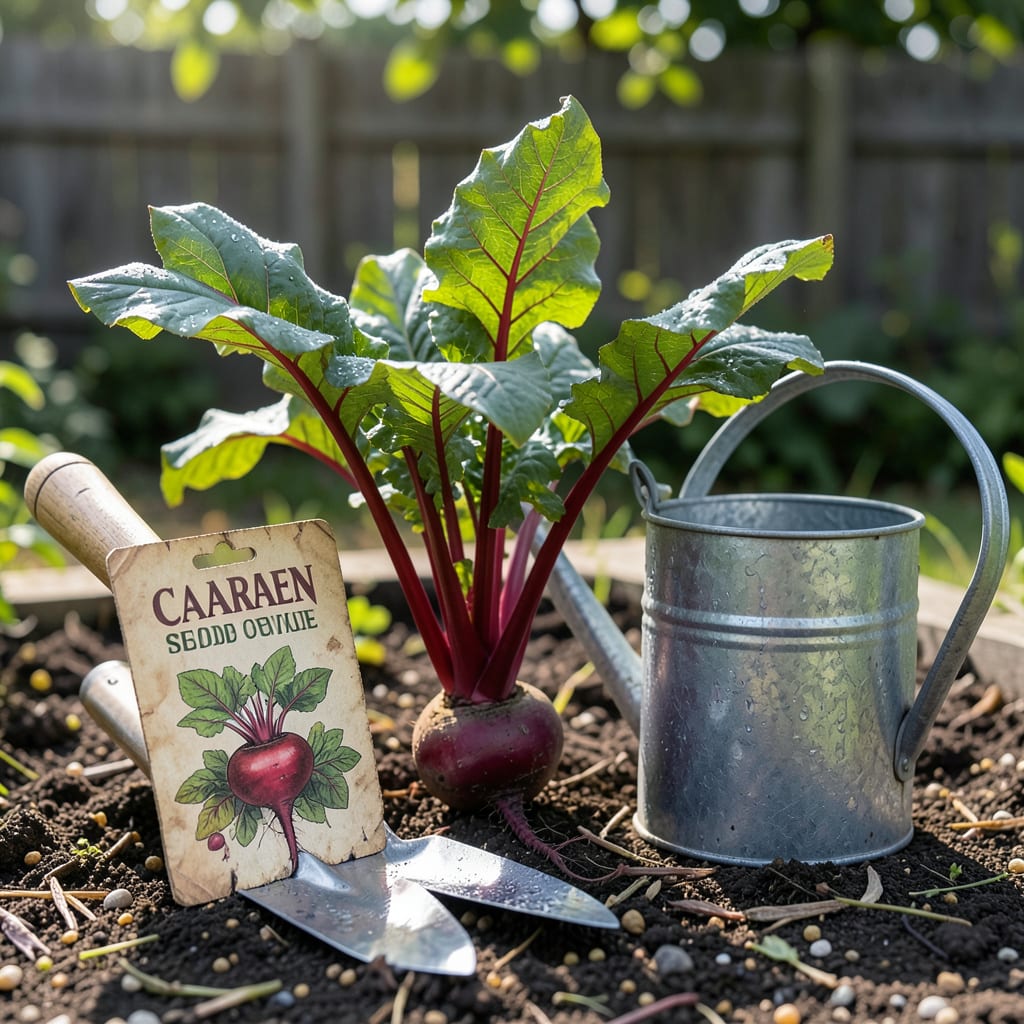
Timing your beet planting in Illinois can mean the difference between a thriving harvest and a disappointing one. Plant too early, and late frosts might ruin your crop; wait too long, and summer heat can stunt growth before roots even form.
After years of testing what works in our Zone 5b-6a climate, I’ve nailed down the perfect windows for both spring and fall plantings. Whether you’re in Chicago or Southern Illinois, I’ll show you exactly when to get those seeds in the ground for two delicious harvests each year.
Getting your beet planting timing right in Illinois means the difference between sweet, tender roots and tough, woody disappointments. Our state’s USDA Zones 5b-6a give us two prime windows: a spring crop and a fall harvest. The key? Working around our last frost (April 15) and first frost (October 15).
Illinois gardeners can start sowing beet seeds as early as late March in Southern IL or wait until mid-April in Northern regions. Fall plantings kick off in late July, giving roots time to mature before cold sets in. Let’s break down the exact timelines for your region.
| Region | Spring Planting | Fall Planting | Days to Harvest |
|---|---|---|---|
| Northern IL (Chicago, Rockford) | April 10–May 1 | July 25–August 15 | 50–60 days |
| Central IL (Springfield, Peoria) | March 25–April 15 | July 15–August 1 | 45–55 days |
| Southern IL (Carbondale, Cairo) | March 10–April 1 | July 1–July 20 | 40–50 days |
Pro Tip: Soil temperature should be at least 50°F (10°C) for germination. Use a soil thermometer to check!
For spring beets, I always aim to plant 2–4 weeks before the last frost. In Chicago, that means early April, while Southern Illinois gardeners can start in late March. Beets thrive in cool weather (50–70°F), so avoid planting too late—summer heat makes them bitter and woody.
Fall plantings are trickier. You’ll want to count backward from your first frost date. Since beets need 45–60 days to mature, Northern Illinois gardeners should plant by mid-August, while Southern IL can push it to late July. A light frost actually sweetens beets, so don’t panic if temps dip!
If you’re dealing with heavy clay soil (common in Illinois), mix in compost or sand before planting. Beets need loose, well-draining soil to develop properly. I like to soak seeds overnight to speed up germination, especially in our sometimes-unpredictable spring weather.
For succession planting, make small sowings every 2–3 weeks until early June for spring crops. This staggers your harvest and prevents a glut of beets all at once. In fall, a single planting is usually enough, but you can try a second sowing in early August for baby beets.
Watch for pests like flea beetles, which love young beet greens. I use row covers early in the season to protect seedlings. If you’re growing for beet greens, harvest a few outer leaves once plants reach 4–6 inches tall—this won’t hurt the root development!
Remember, beets don’t transplant well, so direct sowing is a must. Plant seeds ½ inch deep and 1 inch apart, then thin to 3–4 inches once seedlings emerge. Thinning is crucial—overcrowded beets won’t size up properly.
Finally, keep soil consistently moist but not soggy. Mulching with straw helps retain moisture and suppresses weeds. If you’re in an urban area with warmer microclimates (like Chicago’s heat islands), you might need to adjust planting dates by a week or two earlier in spring.
With these timings, you’ll be pulling up sweet, vibrant beets from June through October. And don’t forget—beet greens are edible too! Harvest a few leaves at a time for a bonus crop while waiting for roots to mature. 🌱
Even with perfect timing, your Illinois beet crop can fail if you make these common mistakes. I’ve seen gardeners struggle with poor germination, stunted roots, or bitter-tasting beets—all avoidable with the right know-how. Let’s tackle the top five pitfalls and how to fix them.
First up: planting in compacted soil. Illinois’ heavy clay is notorious for suffocating beet roots. If your soil feels like a brick when dry, you’ll need to amend it with compost or sand before planting. Beets need loose, crumbly soil to expand properly.
Bonus Tip: Soak seeds overnight to speed germination in Illinois’ unpredictable spring weather! 💧
Another big mistake? Ignoring soil pH. Beets thrive in slightly acidic to neutral soil (6.0–7.0 pH). If your soil is too alkaline (common in parts of Illinois), roots may develop poorly. Grab a soil test kit—they’re cheap and save headaches later. I once grew beets in unamended soil and ended up with tiny, misshapen roots.
Overcrowding seeds is a rookie error that even experienced gardeners make. Beet seeds are actually clusters of 2–4 seeds, so thinning is non-negotiable. If you skip this step, you’ll harvest pencil-thin beets instead of plump roots. Use scissors to snip extras at soil level to avoid disturbing remaining plants.
Timing errors wreck more beet crops than pests do. Planting too late in spring means your beets mature in July’s heat, turning them tough and bitter. Conversely, fall beets planted too late won’t size up before frost. Use the days-to-maturity on your seed packet and count backward from your first frost date (October 15).
Finally, inconsistent watering leads to cracked or woody beets. Illinois summers can swing from drought to downpour, so mulch heavily with straw to retain moisture. I water my beets deeply once a week, more if we’re in a dry spell. Drip irrigation works best—it keeps foliage dry, reducing disease risk.
If you’re growing beets for greens and roots, avoid harvesting more than 20% of the leaves at once. Over-harvesting greens stunts root development. I like to snip outer leaves first, leaving the center growth intact. This way, I get two crops in one without sacrificing quality.
By dodging these mistakes, you’ll grow sweet, tender beets that are perfect for fresh eating or storage. And remember—beet greens are just as delicious as the roots! Next up, let’s explore the best beet varieties for Illinois’ climate. 🌱
Not all beets thrive equally in Illinois’ climate. Our hot summers and cold winters demand varieties that can handle temperature swings. After testing dozens over the years, I’ve narrowed it down to the top performers for our state’s Zones 5b-6a. Let’s dig in!
For early spring plantings, you’ll want fast-maturing varieties like ‘Early Wonder’ (50 days). These beat the summer heat that turns later beets bitter. Fall crops do best with cold-hardy types like ‘Lutz Winter Keeper’, which sweeten after light frosts. Here’s my curated list:
| Variety | Days to Maturity | Best For | Season |
|---|---|---|---|
| Early Wonder | 50 days | Quick harvest | Spring |
| Detroit Dark Red | 58 days | Classic flavor | Spring/Fall |
| Red Ace | 50 days | Heat tolerant | Spring |
| Lutz Winter Keeper | 60 days | Cold hardy | Fall |
| Chioggia | 55 days | Striped roots | Spring/Fall |
| Golden | 55 days | Mild flavor | Spring |
Pro Tip: For fall plantings, choose varieties with 60 days or less to maturity to beat the frost. 🌱
If you’re new to beets, start with ‘Detroit Dark Red’—it’s the most reliable producer in Illinois. For something unique, ‘Chioggia’ offers sweet, candy-striped roots that kids love. I always plant a row of ‘Golden’ beets too—they’re milder and less earthy than red varieties.
For fall storage, ‘Lutz Winter Keeper’ is unbeatable. These beets actually improve in flavor after light frosts. I’ve stored them in cool, damp sand for months! If you’re short on space, try ‘Babybeat’ (45 days)—it’s perfect for container gardening on patios.
Remember, days to maturity are just estimates. Cool spring temps can slow growth, while fall’s warming soil may speed it up. Always check your seed packet for specific notes. I keep a garden journal to track which varieties perform best in my Chicago-area microclimate.
Want beet greens too? All these varieties produce edible tops, but ‘Early Wonder’ and ‘Detroit Dark Red’ have the most tender, flavorful leaves. Harvest greens when they’re 4–6 inches tall for the best texture. Just don’t remove more than 1/3 of the leaves at once!
Summer heat isn’t ideal for beets in Illinois. They thrive in 50–70°F and become woody or bitter when temperatures climb. Stick to spring (April–May) and fall (July–August) plantings for best results.
Check for roots that are 1–3 inches wide at the soil line. The shoulders should be visible above ground, and the skin should feel firm. Harvest before they exceed 3 inches to avoid woodiness.
Mix in 2–3 inches of compost or aged manure to loosen heavy clay. Add sand or perlite for drainage. Beets need loose soil to expand properly—compacted ground leads to misshapen roots.
Choose containers at least 8–12 inches deep with drainage holes. Use a lightweight potting mix and keep soil moist. Dwarf varieties like ‘Babybeat’ work best for small spaces.
