
Beautiful Plants For Your Interior
Beautiful Plants For Your Interior
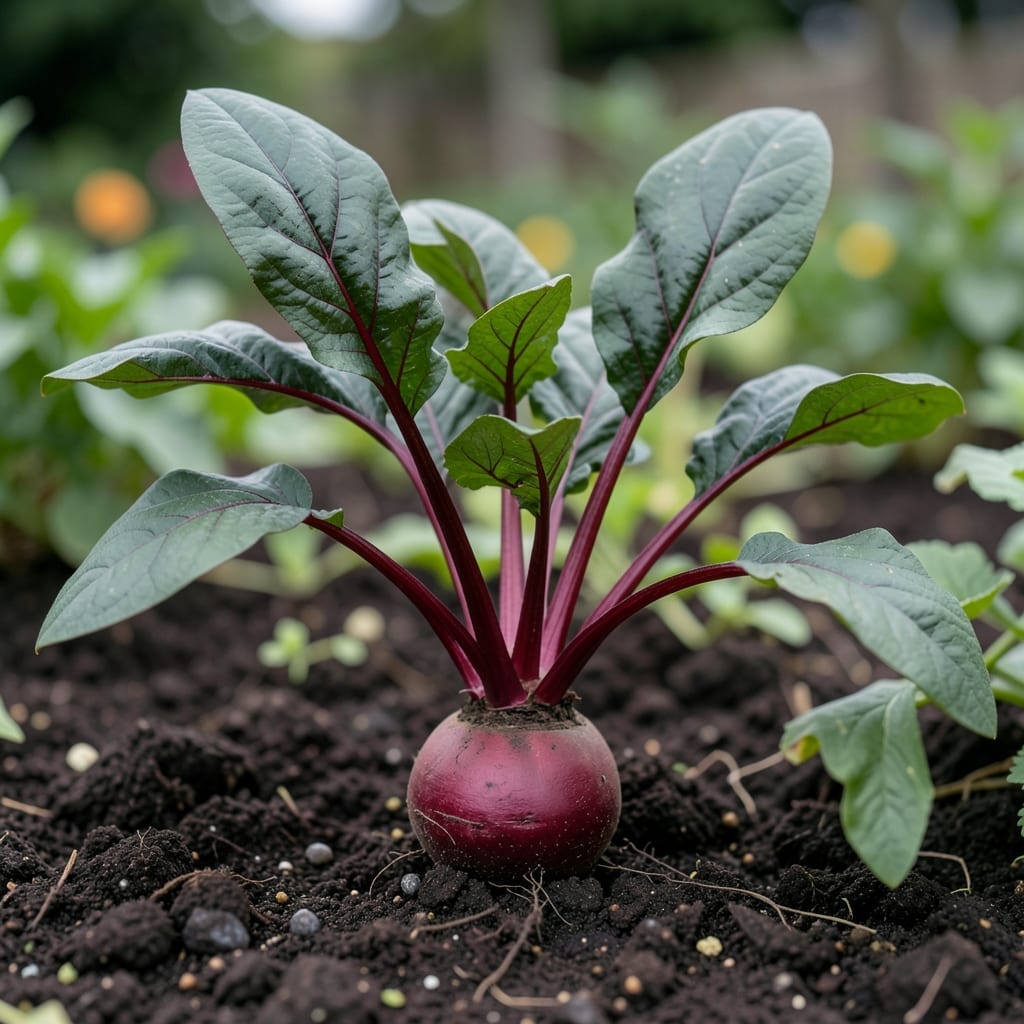
Red urine after eating beets is usually harmless and called beeturia, caused by betalain pigments not fully broken down in digestion. It appears in about 10-14% of people.
This happens because some bodies process betalain compounds differently, especially if stomach acid is low. 🔥 I notice it most after eating raw or lightly cooked beets, as heat breaks down these pigments. While harmless for most, persistent red urine or other symptoms warrant a doctor’s visit to rule out underlying issues.
💡 In This Article
The red hue comes from betalain pigments—specifically betacyanin—that give beets their deep crimson color. These water-soluble compounds normally break down in the stomach’s acidic environment, but when stomach acid is low (pH above 3-4), about 10-14% of people excrete them intact.
The pigments pass through the digestive system, get filtered by the kidneys, and appear in urine as a harmless reddish tint.
Several factors influence whether you’ll see this effect. Eating raw beets increases the likelihood, as cooking at 180°F+ for 30+ minutes degrades up to 50% of betalains. Genetic variations in the SLCO1B1 gene also play a role, affecting how efficiently your liver processes these compounds.
Even hydration levels matter—diluted urine may show a pale pink, while concentrated urine appears deeper red.
What’s fascinating is that beeturia serves as a visible marker of your body’s chemistry. It often indicates lower stomach acidity, which can be influenced by age (more common in those over 65), medications like antacids, or conditions such as atrophic gastritis.
This same low-acid environment can also affect absorption of other nutrients like iron and vitamin B12. 🔥
The color typically appears within 2-8 hours of eating beets and fades within 24-48 hours as the pigments clear from your system. Unlike blood in urine, which often appears throughout the entire stream and may be accompanied by clots or pain, beeturia causes uniform color that doesn’t change with each bathroom visit.
The shade can range from light pink to deep red depending on the variety of beet consumed—golden beets, for instance, lack betacyanin and won’t cause red urine.
Interestingly, this phenomenon isn’t unique to humans. Studies show similar pigment excretion in animals fed beetroot, with the intensity varying by species and digestive system efficiency. In controlled tests, participants consuming 250g of cooked beets showed detectable urine color changes within 4 hours, with peak intensity at 6-8 hours post-consumption.
Typically appears within 2-8 hours and fades in 24-48 hours. The exact duration depends on your metabolism and hydration.
Yes, raw beets are more likely to cause this effect. Cooking at 180°F+ for 30+ minutes breaks down up to 50% of the pigments responsible.
About 10-14% experience this due to lower stomach acid or genetic differences. Age, medications, and gut health also play roles.
Concentrated urine makes the red pigment appear darker. Drinking more water will dilute the color.