
Beautiful Plants For Your Interior
Beautiful Plants For Your Interior
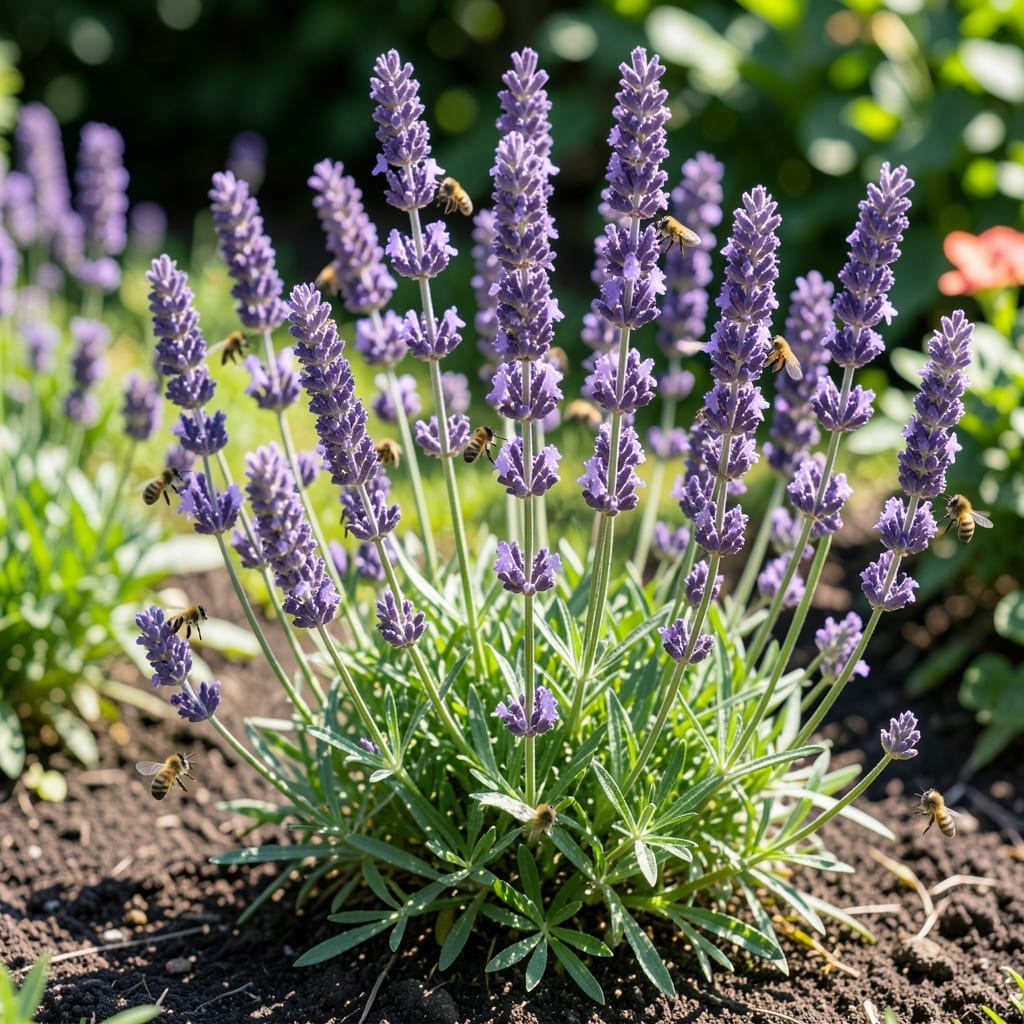
Bees and flowers share a mutual relationship where bees collect nectar and pollen for food while pollinating flowers, enabling plant reproduction and ecosystem health.
This partnership thrives because flowers produce sweet nectar to attract bees, while bees carry pollen between plants as they feed. What’s fascinating is how this process supports biodiversity—nearly one-third of our food crops rely on such pollination. 🌟
I’ve noticed that gardens with diverse blooms see more bee activity, which boosts plant yields. It’s a perfect example of nature’s balance in action. ✨
💡 In This Article
The process starts with flowers producing nectar—a sugary liquid rich in carbohydrates—in specialized glands called nectaries. Bees detect this through scent and color, using their 5,000+ ommatidia (compound eye units) to spot UV patterns invisible to humans.
As they land to feed, pollen grains stick to their branched body hairs through electrostatic forces, a phenomenon called triboelectric charging. 🔥
Each pollen grain contains male genetic material that must reach a flower’s stigma to fertilize ovules. Bees transfer an average of 1-2 million pollen grains per foraging trip, with bumblebees carrying up to 25,000 grains in a single load.
The flower’s stigma has a sticky surface that captures these grains, triggering germination within 1-3 hours under optimal 68-77°F temperatures. ✨
What makes this efficient is the bee’s “vibrating” technique—some species like bumblebees perform sonication by vibrating their flight muscles at 200-400 Hz to shake pollen loose from anthers. This explains why tomato flowers, with tightly held pollen, are primarily pollinated by bumblebees.
The nectar’s sugar concentration (typically 30-60%) fuels the bees’ high-energy flight, creating a perfect energy exchange system. 💫
Flower structures have evolved to match their pollinators. Snapdragons have landing platforms for bees, while orchids use scent mimicry to attract specific bee species. This co-evolution means some flowers only open when bees are active—like morning glories that bloom at dawn when bee activity peaks.
The precision of this system supports 80% of flowering plants worldwide. 🌟
This relationship affects crop yields too. Apple trees need 50-100 bee visits per flower for full fruit set, while almond orchards require 1-2 hives per acre for commercial pollination. The economic value of bee pollination in the US alone exceeds $15 billion annually, highlighting how this natural process underpins our food systems. ⚡
Bees are drawn to flowers with bright colors like blue, purple, and yellow, which they see best. They also prefer open, single blooms that provide easy access to nectar and pollen.
Honeybees typically forage up to 2-3 miles from their hive, while bumblebees may only travel 1 mile. They’ll go farther if food is scarce, but prefer closer, abundant sources.
Yes! Herbs like lavender, rosemary, and thyme also attract bees. Even clover in lawns or wild patches can provide food. Avoid pesticides to keep them safe.
Bees are most active on warm, sunny days between 10 AM and 4 PM. Early morning glories and late-blooming flowers align with their foraging peaks.
No, some flowers are wind-pollinated or rely on other insects. However, 80% of flowering plants depend on bee pollination for reproduction and fruit production.