
Beautiful Plants For Your Interior
Beautiful Plants For Your Interior
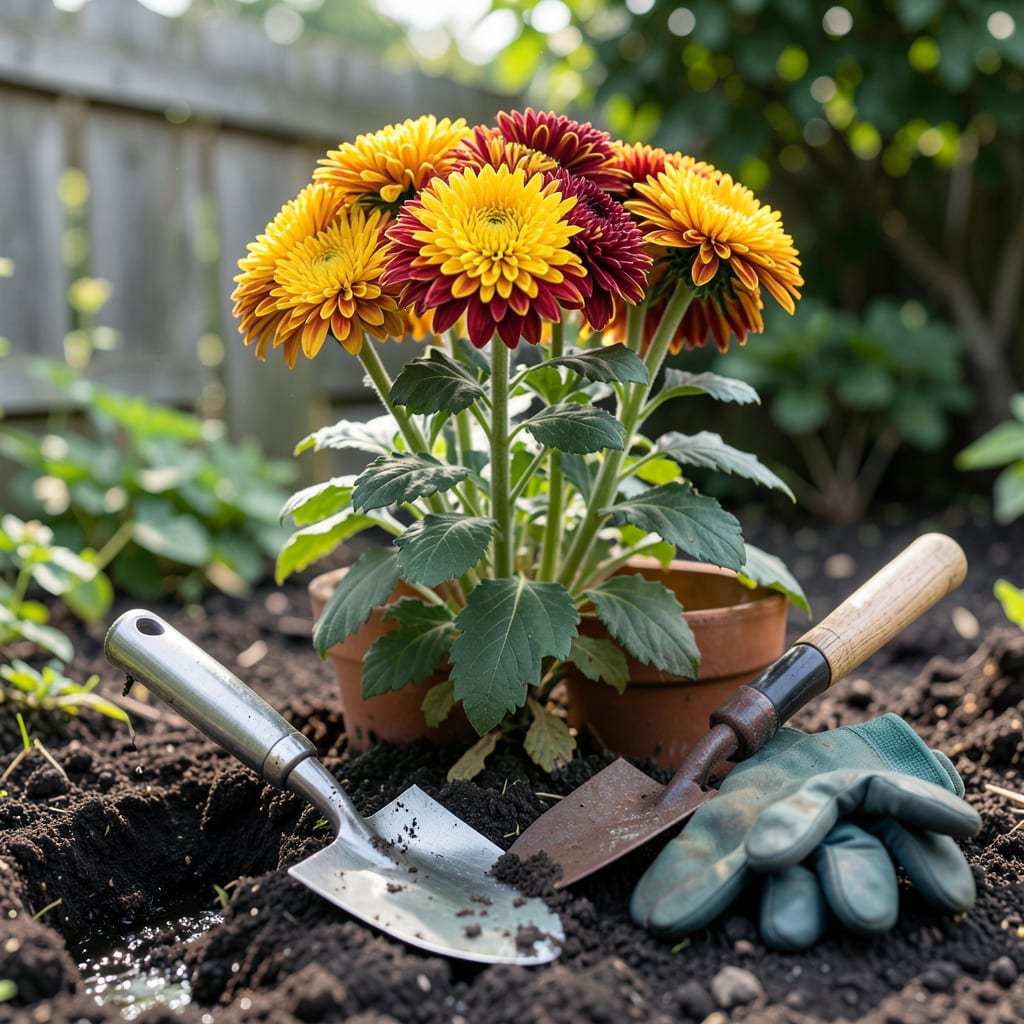
Texas gardeners know the struggle—summer’s scorching heat fades just as fall planting season arrives. But here’s the catch: timing is everything when it comes to getting those autumn blooms to thrive.
Plant too early, and lingering heat will stress your flowers; wait too long, and frost could ruin your hard work. I’ll break down the exact windows for your Texas zone, so you can create a vibrant garden that lasts through the season. Let’s get started.
If you’ve ever watched your fall flowers wilt under Texas’ relentless summer sun or get zapped by an early frost, you know timing is everything. The Lone Star State spans USDA Zones 6a-10b, meaning what works in Amarillo won’t fly in Brownsville. I’ll break down the optimal planting windows for each region.
Here’s the golden rule: Soil temperature matters more than calendar dates. Aim for 70-80°F soil—cool enough to avoid heat stress but warm enough for roots to establish. North Texas gardeners often start in late September, while Coastal Bend folks can wait until mid-October.
| Region | USDA Zone | Planting Window | First Frost | Top Picks |
|---|---|---|---|---|
| Panhandle | 6a-7a | Aug 20–Sep 10 | Oct 15 | Pansies, Kale |
| North Texas | 7b-8a | Sep 1–20 | Nov 15 | Snapdragons, Asters |
| Central Texas | 8a-8b | Sep 15–Oct 1 | Nov 28 | Mexican Bush Sage, Mums |
| Gulf Coast | 9a-10a | Oct 1–20 | Dec 15 | Zinnias, Pentas |
| South Texas | 10a-10b | Oct 15–Nov 1 | Jan 10 | Lantana, Firebush |
💡 Pro Tip: Adjust dates by 2 weeks earlier for high-elevation areas (e.g., Davis Mountains).
Notice how the Gulf Coast gets a full extra month compared to the Panhandle? That’s because humidity and frost dates dramatically shift across Texas. I always check my local Texas A&M AgriLife Extension office for hyper-local frost predictions—they’re spot-on.
For Central Texas gardeners (Austin/San Antonio), I swear by the “Labor Day Rule”: Start hardening off transplants after the holiday, then plant by September 20th. This gives roots 6-8 weeks to establish before our first frost. Use a soil thermometer—if it reads above 85°F, wait another week.
North Texas faces a tricky balance—summer heat lingers, but frost arrives earlier. My trick? Plant heat-tolerant varieties like angelonia or portulaca in late August, then add cool-season stars (pansies, violas) in early October. This staggered approach keeps color going.
Down on the Gulf Coast, you’re playing a different game. The humidity means fungal diseases thrive, so I space plants wider (18-24 inches) and use drip irrigation to keep foliage dry. Planting in October lets roots establish before the winter wet season hits.
Here’s a microclimate hack: If you’re in an urban heat island (hello, Dallas or Houston!), your “zone” might be 1/2 zone warmer. Watch for nighttime temps consistently below 70°F—that’s your green light to plant. I use a mini greenhouse for early starts in hotter areas.
Remember, fall planting isn’t just about flowers. It’s prime time for cool-season veggies too! Tuck ornamental kale or Swiss chard among your blooms for a dual-purpose garden that’s both pretty and productive. Just keep them well-watered—their shallow roots dry out fast in Texas winds.
Finally, don’t forget the Texas Two-Step: Mulch heavily (3 inches of shredded cedar) to regulate soil temp, and water deeply but less frequently (1 inch per
Not all fall flowers can handle Texas’ late-summer heat waves followed by unpredictable cold snaps. After years of trial and error in my Central Texas garden, I’ve narrowed it down to 7 powerhouse plants that laugh at our wild weather swings. These aren’t just survivors—they’re showstoppers.
The secret? Matching each flower’s heat tolerance to your planting window. Early planters (August-September) need varieties that can handle 90°F+ days, while October plantings can include more delicate cool-season stars. Here’s my battle-tested list with exact timing for each.
💡 Pro Tip: For North Texas, shift all dates 2 weeks earlier. Gulf Coast gardeners can plant 2 weeks later.
Let’s talk planting strategies for these Texas toughies. For August plantings (like zinnias or lantana), I use shade cloth for the first week to prevent transplant shock. A 30% shade rate works perfectly—enough protection without stunting growth. Always plant in late afternoon to avoid midday heat stress.
The October plants (snapdragons, asters) need a different approach. I pre-chill transplants in the fridge for 24 hours before planting—this tricks them into thinking winter’s coming and kickstarts root growth. Mix composted cotton burr (a Texas favorite!) into your soil for extra moisture retention without waterlogging.
Here’s my watering cheat sheet for these flowers: Deep water twice weekly until established, then taper to 1 inch per week. Use a soaker hose to keep foliage dry—critical for preventing powdery mildew in our humid falls. Mulch with shredded cedar to suppress weeds and regulate soil temp.
Don’t overlook succession planting! I plant fast-blooming zinnias every 2 weeks through September for continuous color. For snapdragons, I do a second planting in late October—these will bloom through winter in South/Central Texas and rebound in spring. Pair tall varieties with trailing pentas for a layered look.
Remember, Texas falls are unpredictable—one year it’s 95°F in October, the next we get an early freeze. That’s why I always keep frost blankets handy and monitor 10-day forecasts. When temps dip below 35°F, cover tender plants with old bedsheets (they breathe better than plastic). Most of these flowers will bounce back after a light frost!
Even experienced Texas gardeners can mess up fall flower planting. I’ve made every mistake in the book—from planting too early in Dallas’ lingering heat to forgetting frost protection in Austin. Let’s look at the top 5 blunders that ruin fall gardens and how to fix them.
The biggest issue I see? Ignoring soil prep after summer’s brutal heat. Texas soil gets baked hard by August, making it nearly impossible for tender fall roots to penetrate. Always loosen the top 12 inches and mix in compost before planting.
💡 Quick Fix: For transplant shock, water with seaweed emulsion at planting.
Another common mistake is misjudging water needs in our clay-heavy soils. Many gardeners assume fall means less water, but newly planted flowers need consistent moisture for root establishment. The trick? Check soil 2 inches deep—if dry, water; if damp, wait.
I’ve lost countless plants to early freezes by not watching forecasts. Texas weather is unpredictable—one week it’s 85°F, the next we’re scraping frost. Always have frost blankets ready by November 1st. For potted plants, move them to south-facing walls for extra warmth.
Poor spacing is another silent killer. In our enthusiasm, we crowd plants, leading to airflow issues and disease. Follow spacing guidelines religiously—12-18 inches for most fall flowers. Use a measuring stick when planting to avoid guesswork.
Finally, don’t forget soil testing! After summer’s heavy watering, nutrients get depleted. A simple $15 test kit from your extension office reveals what’s missing. I add composted cotton burr (a Texas staple) to replenish organic matter before fall planting.
Aim for 70-80°F soil temperature—warm enough for root growth but cool enough to avoid heat stress. Use a soil thermometer to check. If it reads above 85°F, wait another week before planting.
Only in North Texas (Zones 6a-8a) with heat-tolerant varieties like lantana or zinnias. For Central/South Texas, wait until September when nighttime temps drop below 70°F. Early planting risks heat shock.
Cover tender plants with frost blankets or old bedsheets when temps dip below 35°F. Move potted plants to south-facing walls for extra warmth. Avoid plastic—it traps moisture and damages foliage.
Use 3 inches of shredded cedar mulch—it regulates soil temperature, retains moisture, and deters pests. Avoid thick layers of pine straw, which can mat down and suffocate roots in our clay-heavy soils.
Water deeply twice weekly until established (about 2-3 weeks). After that, taper to 1 inch per week, using a soaker hose to keep foliage dry. Always check soil moisture 2 inches deep before watering.
