
Beautiful Plants For Your Interior
Beautiful Plants For Your Interior
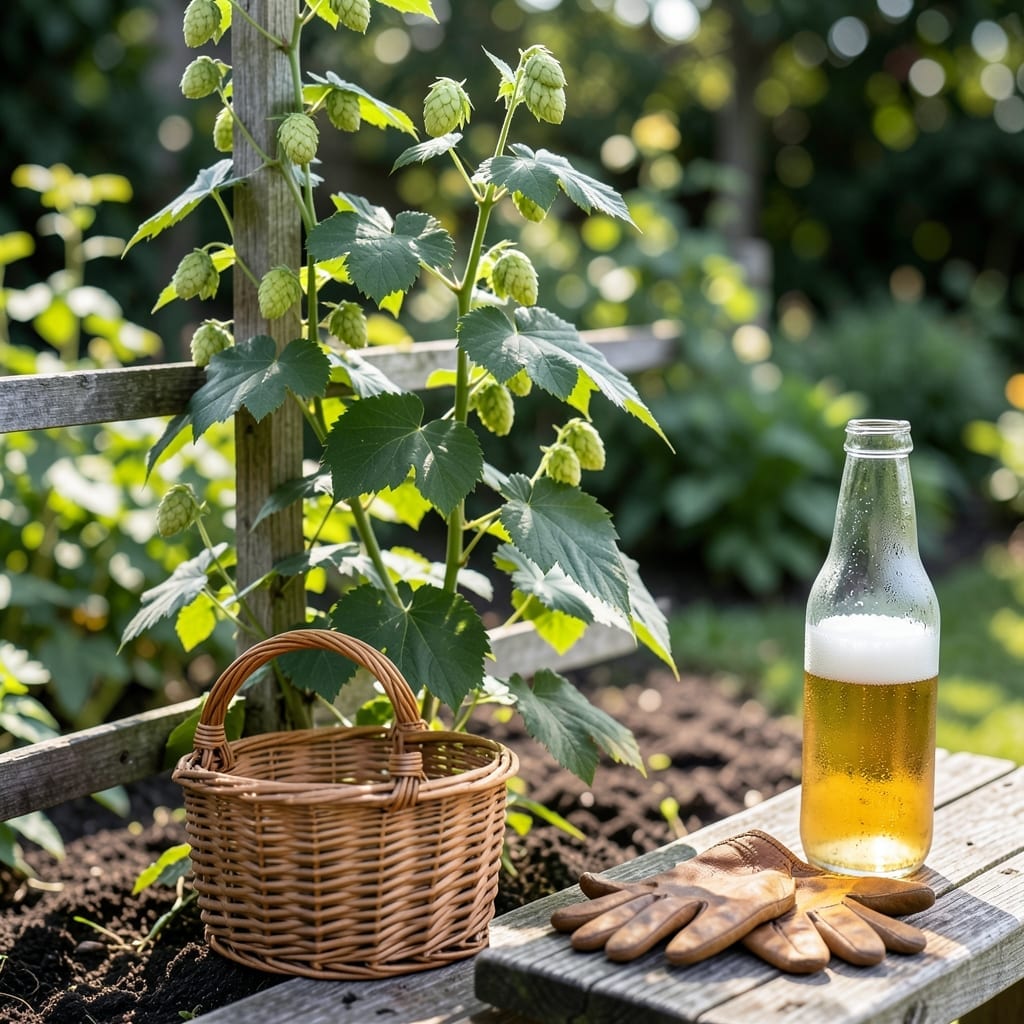
Beer can improve soil health, deter pests, and provide nutrients for plants through its natural compounds like yeast and sugars. Always use it diluted to avoid harming plants.
I’ve found that beer’s yeast and sugars act as natural fertilizers, feeding beneficial microbes in the soil. 🔥 It also works as a trap for slugs and snails when placed in shallow dishes, keeping them away from your plants. For best results, I dilute it with water at a 1:10 ratio to prevent overloading the soil with acidity.
💡 In This Article
The natural compounds in beer—yeast, sugars, and B vitamins—act as a microbial buffet. Yeast stimulates beneficial fungi and bacteria, while sugars provide immediate energy for these organisms. This boosts soil biodiversity, which improves nutrient cycling and root development. 🔥
Beer also contains small amounts of nitrogen, phosphorus, and potassium from its brewing ingredients. These macronutrients become available to plants as microbes break down the organic matter. Studies show beer-amended soil can increase microbial activity by up to 30% within 48 hours of application.
In compost piles, beer acts as an accelerator by introducing active yeasts that speed up decomposition. The carbon-to-nitrogen ratio of beer (approximately 15:1) complements typical compost materials. Just 1 cup of flat beer per 1 cubic foot of compost can raise internal temperatures by 5-10°F, promoting faster breakdown. ✨
For direct soil application, the key is moderation. The pH of beer (typically 4.0-4.5) can temporarily lower soil pH, which benefits acid-loving plants like azaleas and blueberries. However, overuse may create imbalance—hence the importance of that 1:10 dilution with water to prevent soil acidification.
What most gardeners overlook is beer’s role in chelation—the process where organic compounds bind to metal ions. The organic acids in beer help make iron and other micronutrients more available to plants, particularly in alkaline soils where these nutrients often become locked up and inaccessible to roots. 💫
Beer contains yeast, sugars, and B vitamins that feed beneficial soil microbes. These compounds boost microbial activity, which improves nutrient cycling and root development.
For soil drenches, use a 1:10 to 1:15 beer-to-water ratio once monthly. For slug traps, refresh the beer every 2-3 days for best results.
Flat, low-alcohol beer works best. Avoid beers with alcohol content above 5% or those with added preservatives, as these can harm plants.
Acid-loving plants like blueberries, azaleas, and rhododendrons respond well to diluted beer. It helps maintain their preferred 4.5-5.5 pH range.