
Beautiful Plants For Your Interior
Beautiful Plants For Your Interior
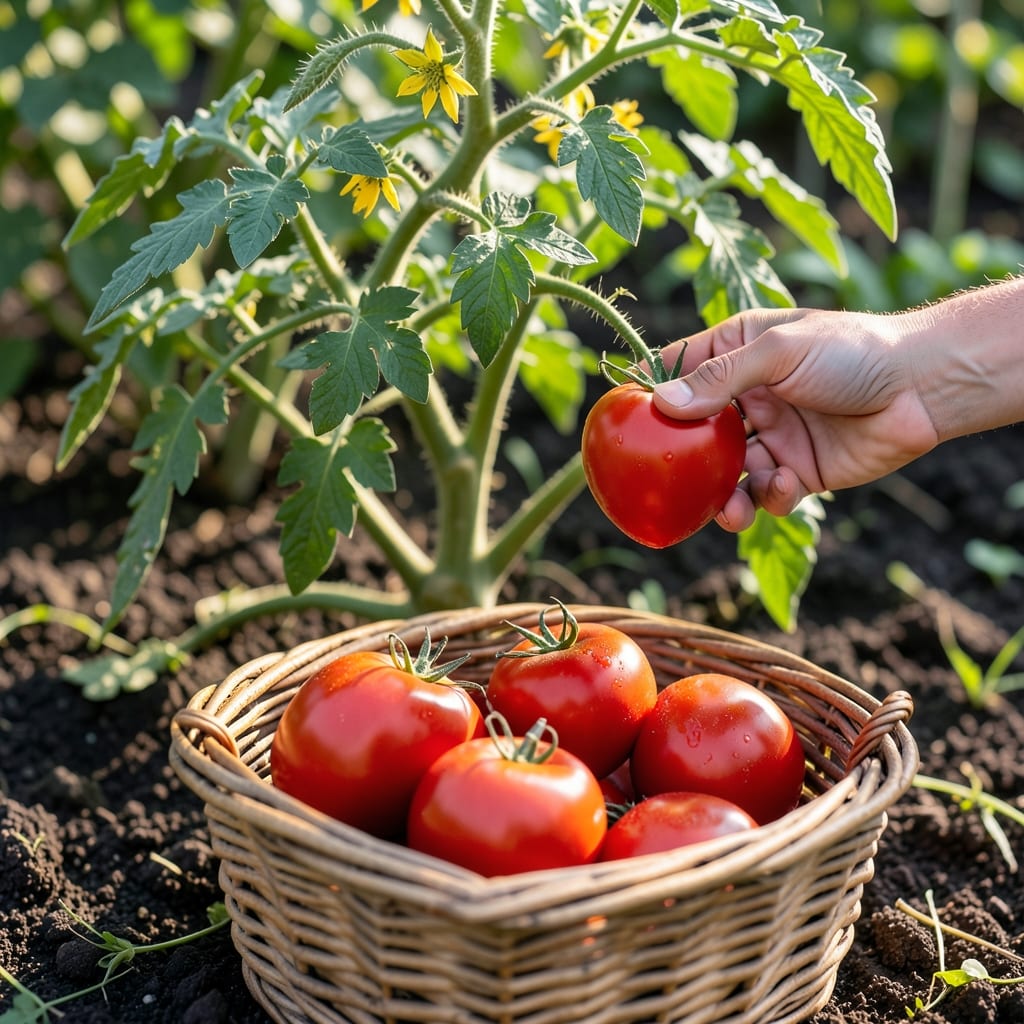
Beefsteak tomatoes offer a classic sweet and tangy flavor with a rich, meaty texture. Their low acidity makes them milder than smaller tomato varieties, ideal for fresh eating and cooking.
I love how their dense flesh holds up so well in recipes, making them perfect for hearty sandwiches or as the star of a Caprese salad. What sets them apart is their balanced sweetness, which comes from higher natural sugar content compared to other varieties. This makes them incredibly versatile in both raw and cooked applications. ✨
💡 In This Article
What makes beefsteak tomatoes taste so distinct starts with their sugar content, typically measuring 4-6%—higher than most standard tomatoes. This natural sweetness is balanced by mild acidity, with a pH around 4.2-4.5, creating that signature mellow tang.
The flesh density plays a role too, as the thick walls contain fewer seed cavities, reducing bitterness that can come from excess seeds. 🔥
The meaty texture comes from the fruit’s large, firm cell structure. Unlike cherry tomatoes with thin skins and juicy centers, beefsteaks have a more uniform interior that holds moisture without becoming watery. This structural difference means their flavor doesn’t dilute as quickly when sliced or cooked, maintaining intensity in every bite. 💛
Comparisons reveal the nuances: heirloom beefsteaks often have more complex, fruity notes due to open-pollination, while hybrid varieties are bred for consistent sweetness. Smaller tomatoes like Roma concentrate their sugars but lack the beefsteak’s depth. The size also matters—larger fruits develop more sugars during their extended growth period on the vine. ✨
Temperature affects taste perception too. Serving beefsteaks at room temperature (68-72°F) enhances their natural sweetness, while chilling can mute flavors. The thick skin also protects the fruit’s interior from moisture loss, preserving freshness and taste longer than thin-skinned varieties. 🌟
What most people overlook is the impact of growing conditions. Tomatoes grown in warm climates with consistent water develop higher sugar content, while stress from drought can increase acidity. This is why vine-ripened beefsteaks often taste sweeter than those picked green and ripened artificially. ⚡
Their higher sugar content, around 4-6%, gives them a naturally sweeter flavor. The mild acidity, with a pH of 4.2-4.5, balances this sweetness perfectly.
Keep them stem-side down at room temperature until ripe. Once ripe, refrigerate for up to 5 days. Never chill unripe tomatoes, as cold stops ripening and dulls flavor.
Roasting at 400°F for 20-25 minutes caramelizes their sugars, intensifying sweetness. Grilling for 3-4 minutes per side adds smoky depth while maintaining their meaty texture.
Yes, but expect more juice and a milder flavor. Romas are denser with concentrated sugars, while beefsteaks offer a fresher, sweeter taste that works well in salads and sandwiches.