
Beautiful Plants For Your Interior
Beautiful Plants For Your Interior
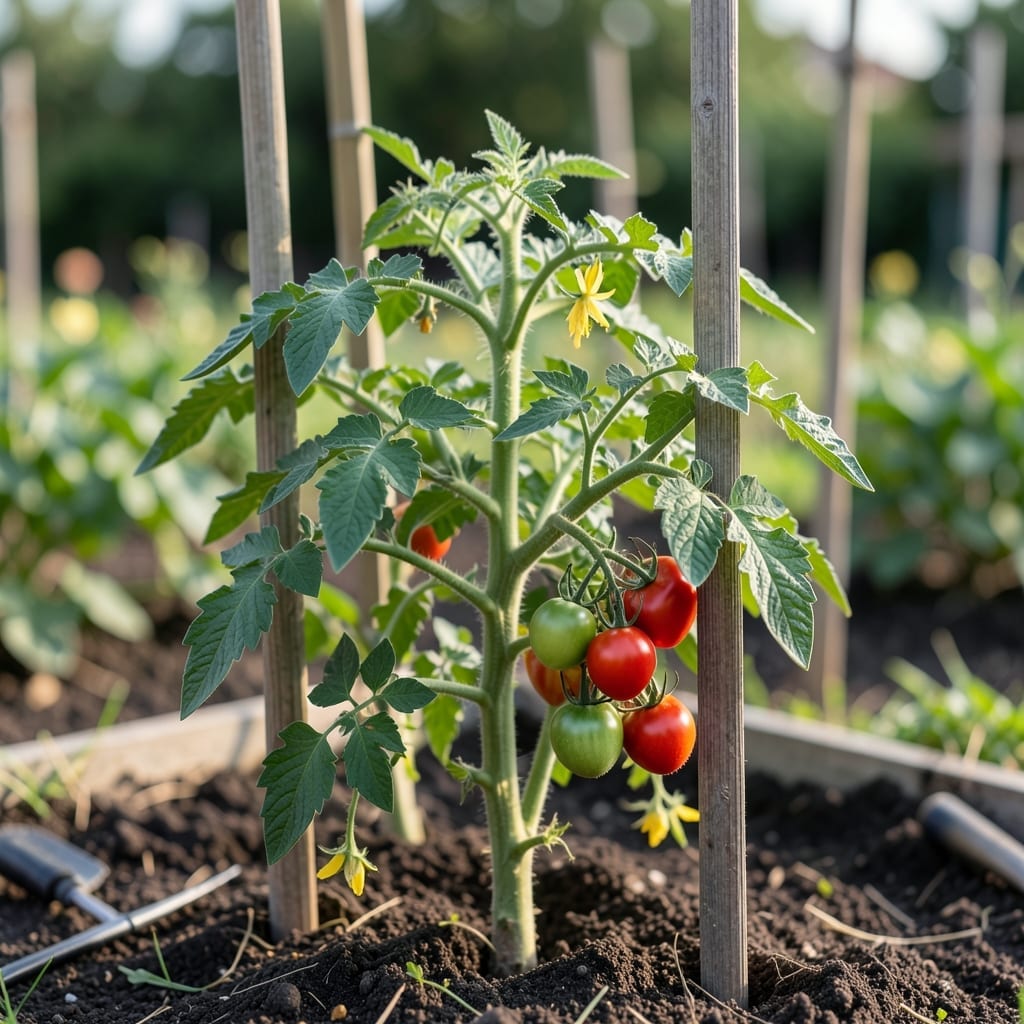
Green tomatoes on the vine are unripe, but heirloom varieties like Green Zebra stay green when fully mature. Unripe ones are firm and tart, while ripe green types develop a sweeter, milder taste.
I often see confusion between naturally green heirlooms and tomatoes that simply haven’t ripened yet. Green Zebra and similar varieties maintain their color due to genetic traits, not immaturity. Meanwhile, standard red tomatoes picked early will soften and lose their sharp acidity as they ripen. ✨
What’s fascinating is how the ripening process transforms both the texture and flavor profile completely.
💡 In This Article
The ripening process is triggered by ethylene gas, a natural plant hormone. As tomatoes mature, chlorophyll (the green pigment) breaks down while carotenoids and lycopene develop, creating red, yellow, or orange hues. This transition typically takes 7-14 days at 70-75°F, but heirlooms like Green Zebra maintain chlorophyll throughout their lifecycle due to genetic differences. 🔥
Sugar content dramatically increases during ripening. Unripe tomatoes contain about 2-3% sugars, while ripe ones reach 4-5%. This change, combined with decreasing acidity (from 0.5% to 0.2% malic and citric acids), transforms the sharp tartness into sweetness. The texture shifts too, as pectin in cell walls breaks down, softening the flesh from firm to yielding.
You’ll notice unripe tomatoes have a dense, almost mealy texture that’s ideal for frying or pickling. Their high acidity makes them excellent for green tomato relish or salsa verde.
Ripe green varieties, however, develop a juicier, more tender flesh that’s perfect for fresh eating or salads, similar to a ripe red tomato but with a milder, citrusy tang.
Temperature plays a crucial role in ripening speed. Tomatoes stored below 50°F may never ripen properly, while those above 85°F ripen too quickly with mealy texture. For best results, store unripe tomatoes at room temperature out of direct sunlight, checking daily for color changes and slight softening. ✨
The most reliable test for ripeness isn’t color but feel. Gently squeeze the tomato—ripe ones yield slightly to pressure, while unripe ones remain hard as a baseball.
For heirloom green varieties, look for a subtle color shift (from bright to dull green) and a sweet aroma at the stem end, indicating full maturity despite the green exterior.
Check for dark green stripes—these indicate a mature Green Zebra. Unripe standard tomatoes stay uniformly light green. Heirlooms also develop a sweet aroma and slight softness when ready.
Heirloom varieties like Green Zebra retain chlorophyll due to genetic traits. Their ripening process still increases sugars and reduces acidity, just without the color change typical in red tomatoes.
Yes! Store them at room temperature in a paper bag with a banana or apple. The ethylene gas from these fruits accelerates ripening. Avoid refrigeration until fully ripe.
Their firm texture and high acidity make them perfect for frying, pickling, or relish. Unlike ripe heirlooms, they won’t be sweet enough for fresh eating or salads.