
Beautiful Plants For Your Interior
Beautiful Plants For Your Interior
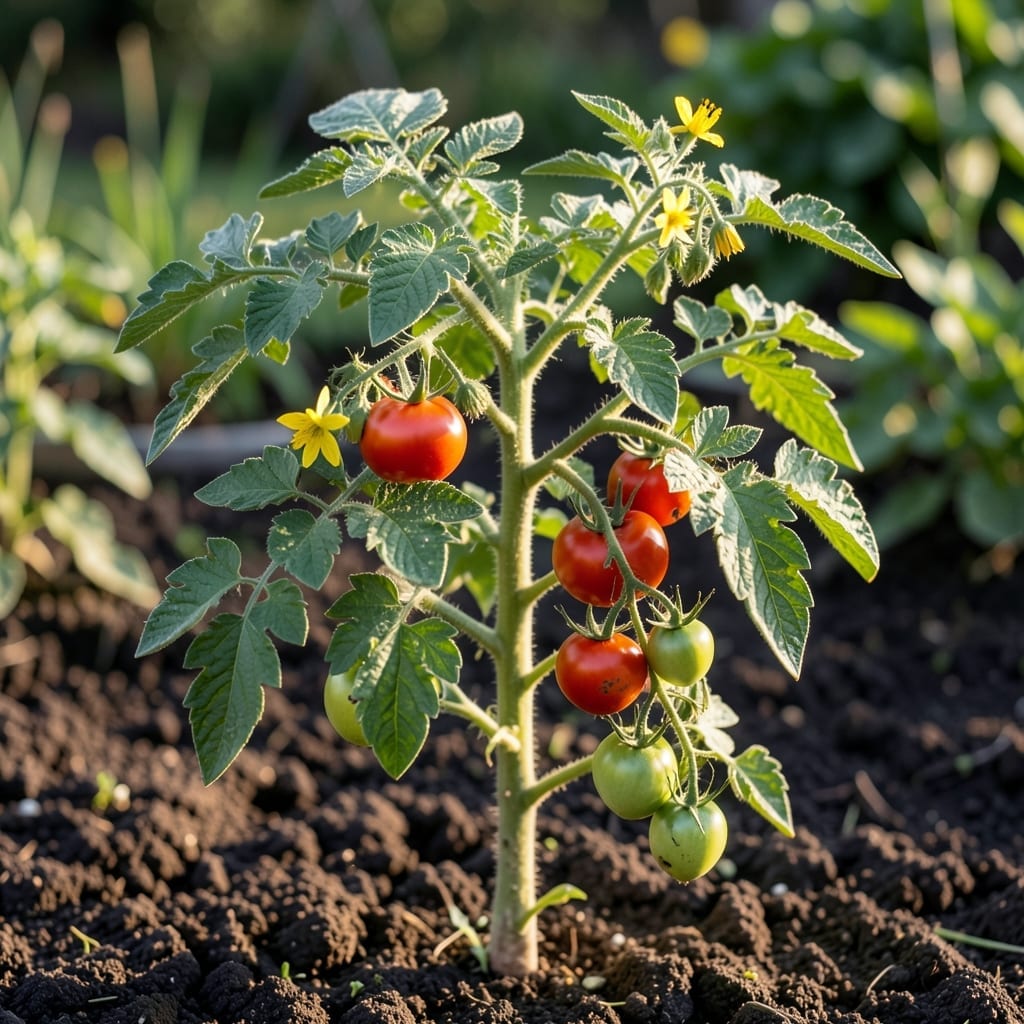
Green tomatoes are typically unripe versions of standard red tomatoes, but some heirloom varieties naturally stay green when fully mature. Ripening depends on the specific type and growing conditions.
I’ve found that most green tomatoes turn red as they ripen, but certain heirloom types like Green Zebra or Aunt Ruby’s German Green stay green even when ready to eat. This is due to their unique genetic makeup. 🌟
The key is in the texture and taste—unripe ones feel firm and taste tart, while mature green varieties develop a sweeter, more complex flavor.
💡 In This Article
The ripening process is driven by ethylene gas, a natural plant hormone. As tomatoes mature, they produce more ethylene, triggering color change from green to red, yellow, or orange. This gas signals the fruit to soften, develop sugars, and break down chlorophyll, which is what gives unripe tomatoes their green hue.
In standard red varieties like Beefsteak or Roma, the transition begins at the blossom end, turning from green to pink to deep red. The entire process typically takes 4-6 weeks from flower pollination to full ripeness, depending on temperature and sunlight. Cooler conditions slow down ethylene production, delaying ripening. ✨
Heirloom green varieties, however, have a genetic mutation that prevents chlorophyll breakdown. Instead of turning red, they develop subtle color changes like yellow streaks or a slightly translucent appearance. Green Zebra tomatoes, for example, develop faint yellow stripes when ripe, while Aunt Ruby’s German Green remains uniformly green but feels slightly softer to the touch.
The key difference lies in the internal structure. Unripe tomatoes have dense, seed-filled locules with high acidity, while ripe green varieties develop a more open, juicy interior with balanced sweetness. This is why ripe green tomatoes taste milder than their unripe counterparts, which can be quite tart. 🔥
Temperature also plays a critical role. Tomatoes won’t ripen properly below 50°F or above 85°F. At 70-75°F, the ideal range for ethylene production, a green tomato can ripen in 1-2 weeks on the counter. This is why commercial growers often harvest green tomatoes and use ethylene gas in controlled environments to trigger uniform ripening.
Heirloom varieties like Green Zebra have a genetic mutation that prevents chlorophyll breakdown. They develop subtle changes like yellow stripes instead of turning red. Their flavor becomes sweeter and more complex when ripe.
Place them in a paper bag with a ripe banana or apple at room temperature. The ethylene gas from the fruit will accelerate ripening. Expect results in 2-3 days at 70-75°F.
Unripe tomatoes have high acidity and low sugar content. As they ripen, starches convert to sugars and acids break down, creating a sweeter, more balanced flavor. The chlorophyll in unripe ones also contributes to the sharp taste.
Yes, but only if they’re a naturally green variety or fully ripe. Unripe standard tomatoes can be tough and overly acidic. For cooking, unripe ones work well in fried green tomato recipes.