
Beautiful Plants For Your Interior
Beautiful Plants For Your Interior
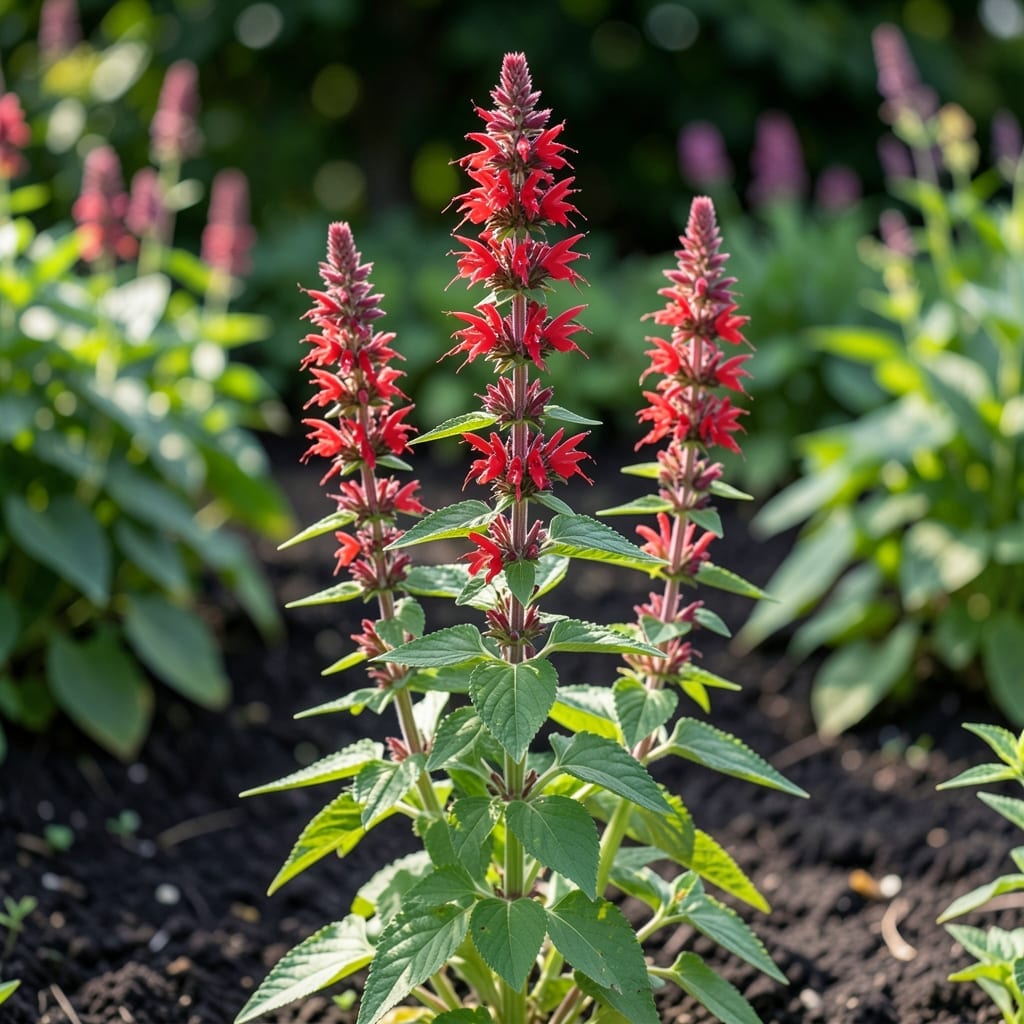
I used to struggle with keeping my 🌸 Bee Balm healthy until I figured out its light preferences. This vibrant plant can transform your garden, but only if you get the conditions right.
Whether you have a sunny backyard or a partially shaded space, understanding Bee Balm’s needs is the key to lush growth and abundant blooms. It’s more adaptable than you might think.
Let me share what I’ve learned about balancing sun and shade for this pollinator magnet. You’ll be amazed at how easier it is than you expect to create the perfect environment.
 Best Window Placement
If you’re wondering about bee balm sun or shade needs, I’ve got you covered. This pollinator magnet thrives best with 6-8 hours of sunlight daily. It can handle partial shade, but too little light reduces blooming.
In my experience, full sun produces the most vibrant flowers and strongest stems. However, in hotter climates, afternoon shade helps prevent wilting. The key is balance based on your region.
| Requirement | Specification |
|---|---|
| Ideal Light | Full sun to partial shade |
| Minimum Sun | 4 hours daily |
| Best Flowering | 6-8 hours of sun |
| Heat Tolerance | Afternoon shade in zones 8-9 |
I’ve noticed bee balm in full sun grows taller with more blooms. The red and pink varieties especially love sunlight. Just ensure the soil stays consistently moist to prevent stress.
For partial shade gardens, bee balm still performs well. It might grow slightly less compact and flower a bit later. Morning sun with afternoon shade works perfectly in warmer zones.
The USDA zones 4-9 suit bee balm perfectly. In cooler areas, maximize sunlight. In hotter regions, dappled afternoon shade prevents leaf scorch and keeps colors vibrant.
Soil moisture plays a role too. In dry shade, bee balm struggles. But in moist, well-draining soil, it adapts well to partial shade. I always add organic mulch to retain moisture.
If you’re planting in containers, ensure they get at least 6 hours of sun. Rotate pots occasionally for even growth. Bee balm in pots might need more frequent watering than in-ground plants.
Remember, morning sun is gentler and more beneficial than harsh afternoon sun. This is especially true for young plants establishing in your garden. Be patient as they adjust to their light conditions.
Finally, observe your plants. If they’re leggy or flopping, they might need more light. If leaves look scorched, they might be getting too much afternoon sun in hot climates.
With the right balance, your bee balm will reward you with months of colorful blooms and happy pollinators ☀️
I’ve learned that bee balm sends clear signals when its light needs aren’t met. Leggy stems with fewer leaves often mean it’s stretching for more sun. This is common in deep shade areas.
Another red flag is reduced flowering. If your plant produces sparse or small blooms, it likely needs more sunlight. Bee balm thrives with 6-8 hours of sun for optimal blooming.
Leggy Growth: Needs more sun
Leaf Scorch: Too much harsh afternoon sun
Poor Blooming: Insufficient light exposure
In hot climates, brown leaf edges can indicate sunburn. If this happens, provide afternoon shade to protect the foliage. Bee balm in zones 8-9 often benefits from this.
For container-grown bee balm, yellowing leaves might signal too much shade. Move pots to a sunnier spot and rotate them weekly for even growth.
If your bee balm looks healthy but flops, it might be getting too much shade, causing weak stems. Staking helps, but increasing light is the long-term fix.
Remember, morning sun is gentler than afternoon sun. If your plants show wilting in heat, a bit of dappled shade during peak hours can work wonders. I’ve saved many plants this way 🌿