
Beautiful Plants For Your Interior
Beautiful Plants For Your Interior
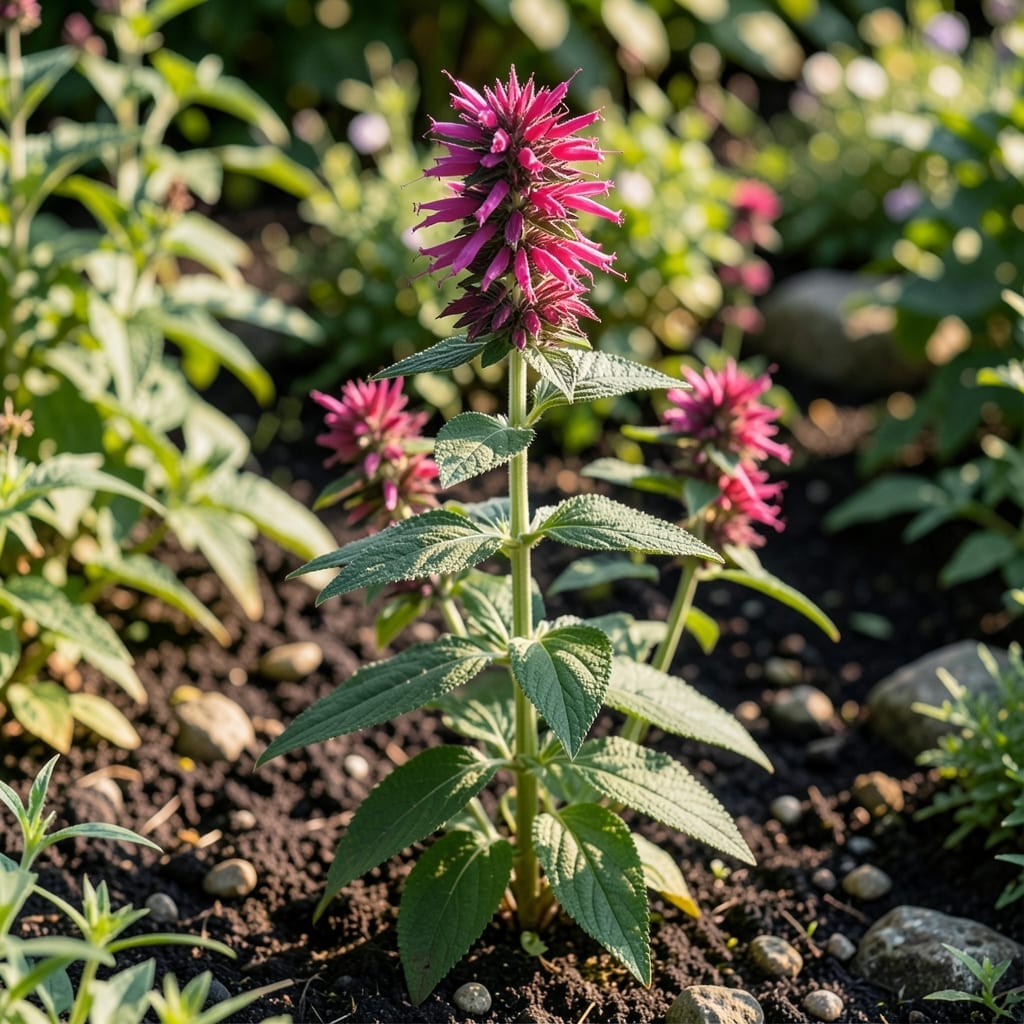
Planning your garden space starts with knowing how much room your plants need to thrive. The 🌸 Bee Balm is a pollinator magnet that can transform any landscape.
What many gardeners overlook is how its mature size varies by cultivar. This difference impacts your entire garden layout.
Let me show you exactly how to account for Bee Balm’s height and width so you can create a flourishing, balanced garden that both you and the bees will love.

When I plan my garden, knowing the mature bee balm height and width is crucial. Most cultivars reach 2-4 feet tall, but their spread varies significantly.
Some varieties stay compact at 18 inches wide, while others can spread 3-4 feet if left unchecked. This affects how I space them.
| Cultivar | Height | Width |
|---|---|---|
| Jacob Cline | 3-4 ft | 2-3 ft |
| Raspberry Wine | 2-3 ft | 2-3 ft |
| Marshall’s Delight | 2-3 ft | 18-24 in |
| Petite Delight | 1-2 ft | 18 in |
I always check the specific cultivar’s mature size before planting. Jacob Cline is one of the tallest, often reaching 4 feet in ideal conditions.
For smaller spaces, I recommend Petite Delight, which stays under 2 feet tall and 18 inches wide. It’s perfect for borders.
The width is where bee balm can surprise you. Many varieties spread via underground runners, so I give them extra room.
In my experience, Marshall’s Delight stays more compact at 18-24 inches wide, making it great for containers.
For pollinator gardens, I space taller varieties like Raspberry Wine about 2 feet apart to allow for air circulation.
Remember that these sizes are for mature plants. It may take 2-3 years for bee balm to reach its full height and width.
I’ve found that pruning can help control both height and spread, especially if done in early summer before the flowers form.
Managing bee balm height and width keeps your garden tidy. This plant can spread aggressively via underground runners, so I use these control methods.
For natural containment, I plant bee balm in bottomless pots sunk into the ground. This restricts the roots while allowing growth.
I’ve found that regular division in spring keeps bee balm from overrunning its neighbors. This also rejuvenates the plants and promotes healthier blooms.
For container planting, choose pots at least 12 inches deep. Bee balm has extensive roots that need room to grow.
In my pollinator gardens, I use metal edging to create barriers. This works well for Jacob Cline, which can spread 3-4 feet if unchecked.
Remember that pruning in early summer can reduce height by 30-40%. I do this to prevent flopping in windy areas.
Bee balm’s width is easier to control than its height. With these methods, I maintain neat borders while enjoying its vibrant blooms all season 🌸