
Beautiful Plants For Your Interior
Beautiful Plants For Your Interior
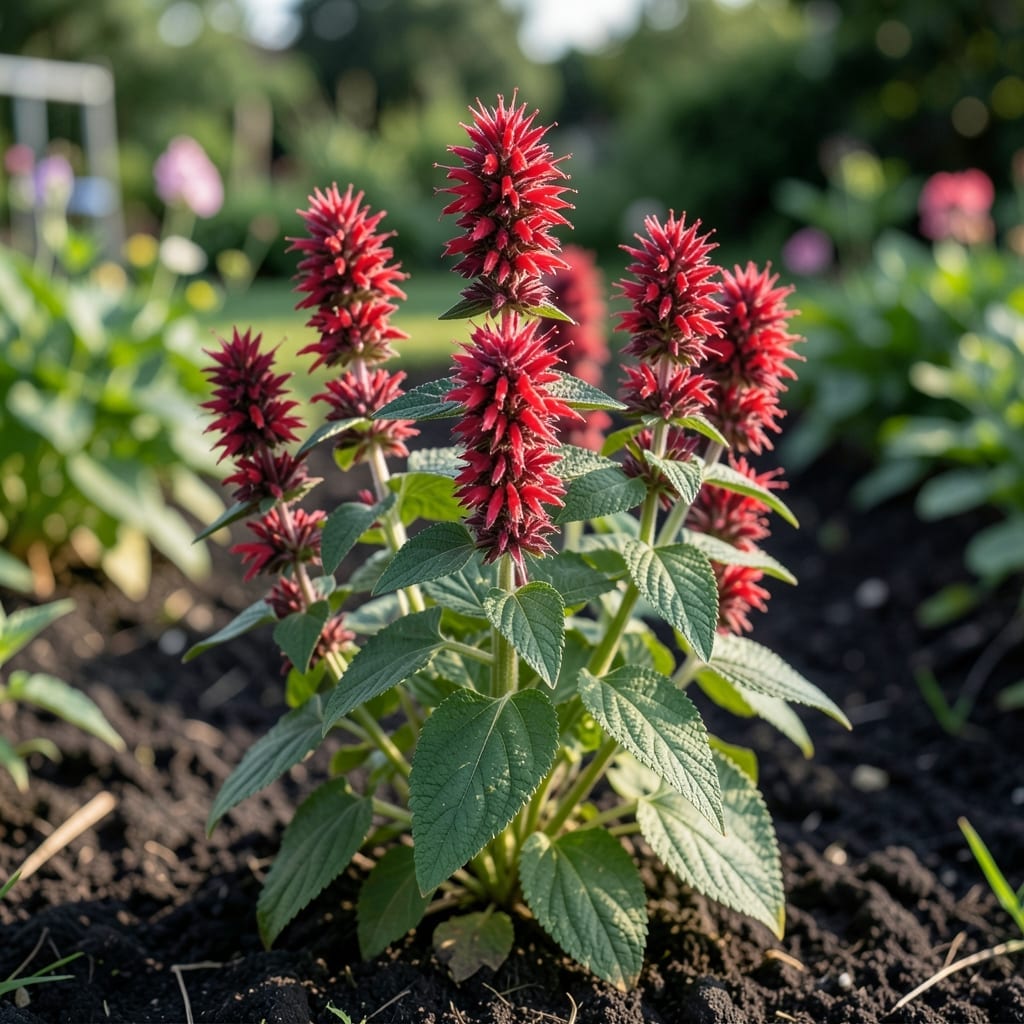
Timing is everything when it comes to the vibrant blooms of Bee Balm 🌸. These pollinator magnets don’t follow just any schedule – they have a rhythm all their own.
From July through September, your garden can explode with color if you understand their natural cycle. The key lies in knowing when to expect those first buds and how to keep them coming.
Whether you’re in zone 4-9 or just starting out, I’ll show you how to make the most of Bee Balm’s bloom time. Let’s unlock the secret to a summer filled with these stunning flowers.
Understanding bee balm bloom time starts with recognizing that not all varieties follow the same schedule. The most common types, like Monarda didyma, typically burst into color in mid to late summer. 🌸
Meanwhile, Monarda fistulosa often blooms a bit earlier, sometimes as early as June in warmer climates. Regional differences play a huge role, with southern gardens seeing flowers sooner than northern ones.
| Variety | Bloom Time | USDA Zones |
|---|---|---|
| Monarda didyma | July-September | 4-9 |
| Monarda fistulosa | June-August | 4-8 |
| Monarda citriodora | July-September | 5-10 |
| Jacob Cline | July-August | 4-9 |
| Raspberry Wine | July-September | 4-9 |
Early varieties like Monarda media can start flowering in late spring, giving you a head start on the season. These are perfect for gardeners eager to see color as soon as possible.
For those in cooler zones, expect blooms to arrive 2-3 weeks later than in warmer areas. The USDA zone you’re in makes a noticeable difference in timing.
Late-season varieties, such as Monarda punctata, often hold off until late summer or even early fall. This staggered timing can give you continuous blooms for months. ☀️
I’ve found that soil temperature matters just as much as air temperature. Warmer soil in spring can encourage earlier blooming, while cooler soil may delay it.
Don’t forget that day length affects flowering. Bee balm is sensitive to photoperiod, meaning shorter days in late summer can trigger some varieties to bloom.
In my garden, I’ve noticed that well-drained soil helps plants establish faster, which often leads to earlier blooms. Poor drainage can stress the plant and delay flowering.
If you’re in a hot climate, afternoon shade can prevent heat stress, which might otherwise shorten the bloom period. Bee balm thrives with 6-8 hours of sun but appreciates relief from intense heat.
To keep your bee balm blooming longer, I’ve found that deadheading spent flowers is the most effective trick. Removing faded blooms encourages the plant to produce more. ✂️
Another method I swear by is regular division every 2-3 years. This rejuvenates the plant and often leads to more abundant blooms the following season.
I also recommend companion planting with early bloomers like coneflowers to create a staggered display. This way, your garden stays vibrant even as bee balm transitions between bloom cycles.
Soil optimization plays a big role too. Bee balm thrives in well-draining, fertile soil. I amend my beds with compost each spring to give plants a nutrient boost.
In dry spells, deep watering once a week works better than frequent shallow watering. This encourages strong root development, which supports longer blooming. 💧
Finally, mulching helps retain moisture and keeps roots cool. I use organic mulch like shredded bark, which also adds nutrients as it breaks down over time.