
Beautiful Plants For Your Interior
Beautiful Plants For Your Interior
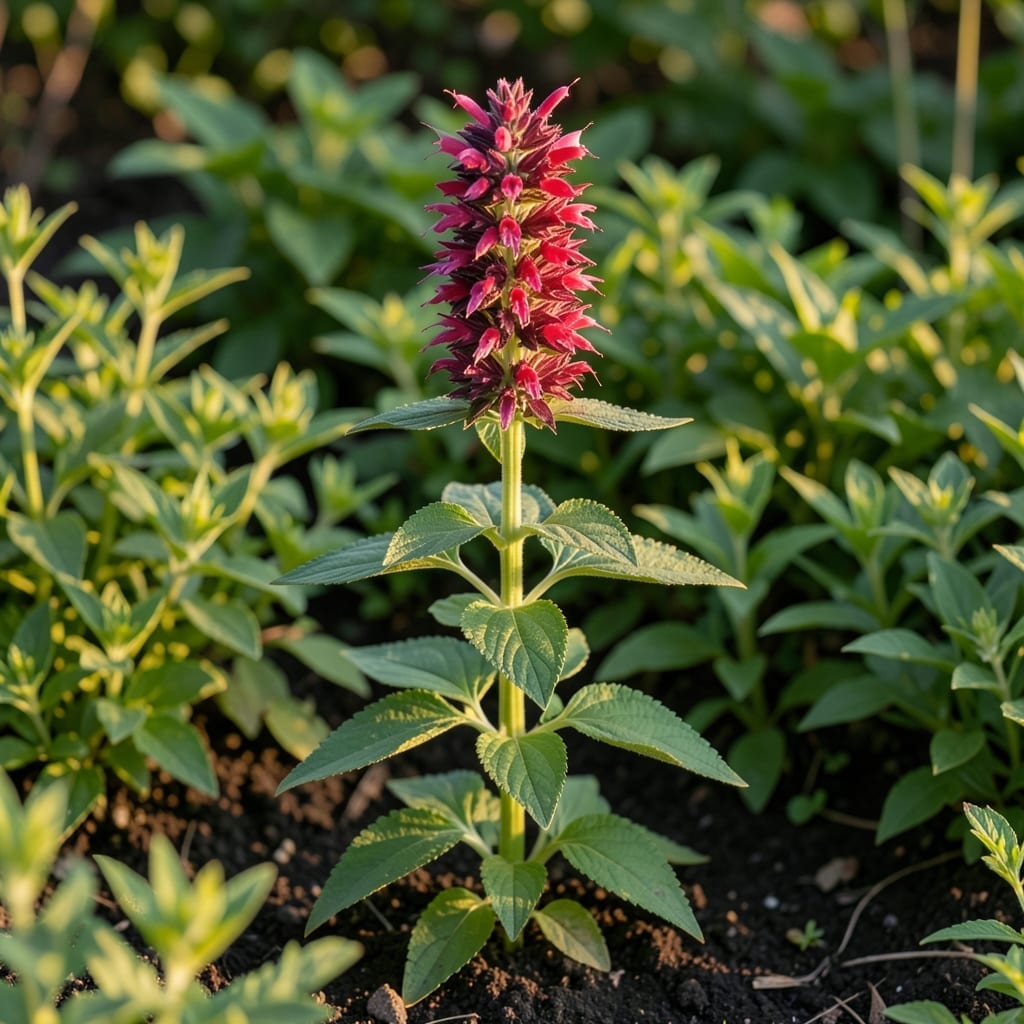
There’s something magical about watching Bee Balm 🌸 burst into color, transforming your garden into a pollinator paradise. But timing is everything when it comes to enjoying its full splendor.
I’ve learned that understanding the bloom season can make the difference between a garden that thrives and one that merely survives. This vibrant plant doesn’t just add beauty—it creates an ecosystem.
What if you could extend that vibrant display and keep the butterflies and bees coming back for more? The good news is, you absolutely can with the right approach.
Let me show you how to make the most of your Bee Balm and turn your garden into a year-round haven for pollinators.
I’ve found that bee balm typically blooms from early summer to early fall, with most varieties peaking in July and August. This timing attracts pollinators when they’re most active.
The exact bloom season depends on the species and your USDA zone. For example, Monarda didyma often starts earlier than Monarda fistulosa.
| Variety | Bloom Season | Duration |
|---|---|---|
| Monarda didyma | July–September | 6–8 weeks |
| Monarda fistulosa | June–August | 4–6 weeks |
| Monarda citriodora | May–July | 4–5 weeks |
In warmer climates, like USDA zones 7-9, bee balm may start blooming 2-3 weeks earlier than in cooler regions. I’ve seen this firsthand in my own garden.
Each flower cluster lasts about 2-3 weeks, but deadheading can encourage a second flush of blooms. This simple step keeps your garden vibrant longer.
The color variety also affects timing. Red bee balm often blooms slightly earlier than purple or pink varieties. This subtle difference can help you plan a staggered display.
For northern gardens, expect blooms to start in late June or early July. The shorter growing season means a more condensed flowering period.
Soil moisture and sunlight play big roles too. Bee balm in full sun with consistent watering tends to bloom more abundantly and longer.
If you’re in a drought-prone area, mulching helps retain soil moisture, which supports extended blooming. I always recommend a 2-3 inch layer of organic mulch.
Finally, companion planting with early and late bloomers can create a continuous pollinator buffet. Pair bee balm with coneflowers or black-eyed Susans for a full-season show. 🌿
I love watching bee balm burst into vibrant reds and purples, but its natural bloom period only lasts 4-8 weeks. With a few simple tricks, you can stretch that color show much longer.
First, I always deadhead spent flowers regularly to encourage new blooms. This prevents the plant from focusing energy on seed production instead of flowers.
Deadhead weekly to remove faded blooms and stimulate new growth.
Fertilize lightly every 4-6 weeks with a balanced 10-10-10 to support continuous blooming.
Water consistently at the base, keeping soil moist but not soggy to maintain vigor.
Plant in full sun for 6-8 hours daily to maximize flower production.
I’ve found that companion planting with early and late bloomers creates a relay effect. Try pairing bee balm with coneflowers or black-eyed Susans for a seamless color display.
Another tip: divide clumps every 2-3 years to prevent overcrowding, which can reduce flowering. This rejuvenates the plant and often results in more abundant blooms the following season.
Don’t forget that mulching helps retain moisture and keeps roots cool, which is especially important during hot summer months when bee balm might otherwise wilt.
With these strategies, I’ve managed to enjoy my bee balm’s pollinator magnet flowers from early summer well into fall, keeping my garden buzzing with activity for months on end. ✂️