
Beautiful Plants For Your Interior
Beautiful Plants For Your Interior
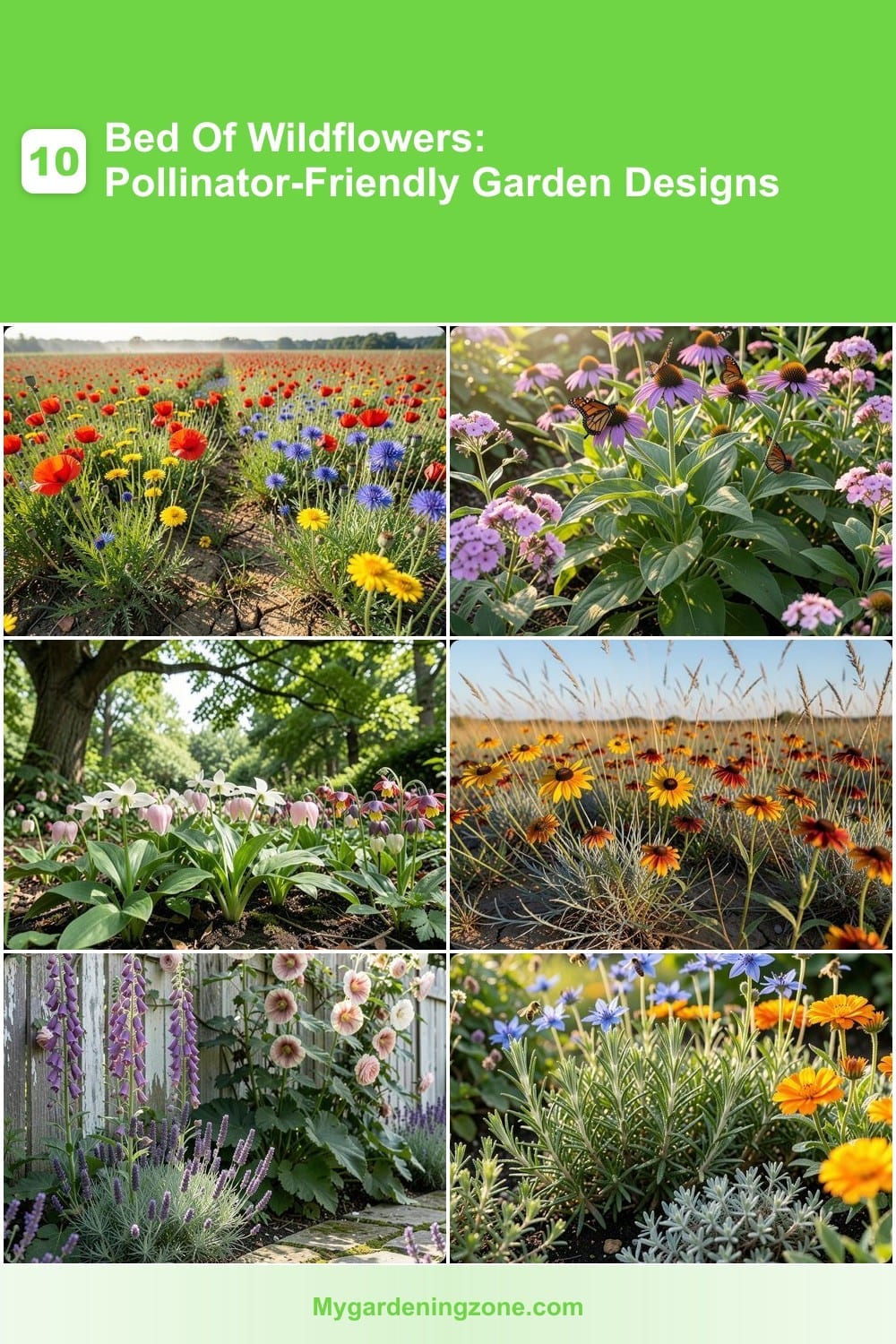
Transform your garden into a vibrant haven for bees, butterflies, and hummingbirds with these pollinator-friendly wildflower beds. Each design combines beauty with ecological benefits, creating a low-maintenance oasis that supports local ecosystems.
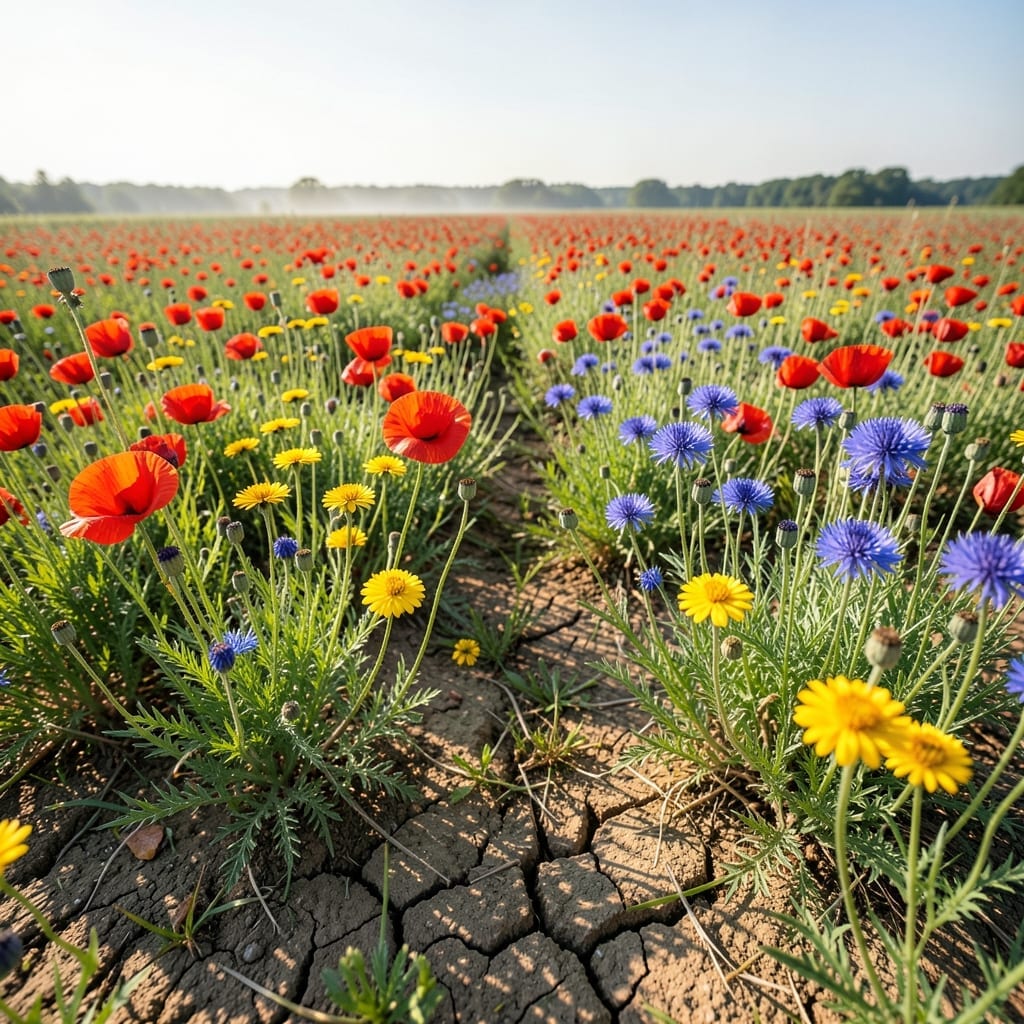
Want a vibrant, eco-friendly garden that practically takes care of itself? A Classic Meadow Wildflower Mix brings effortless beauty with native blooms like poppies, cornflowers, and coreopsis that thrive without fuss.
This blend loves full sun and poor soil, making it perfect for open spaces or sunny borders. Once established, it requires minimal watering and no fertilizers, while providing nectar for bees and butterflies from spring through fall.
Ideal for busy gardeners or those new to wildflower beds, this mix transforms any patch of earth into a pollinator paradise with just a scattering of seeds. 🌻
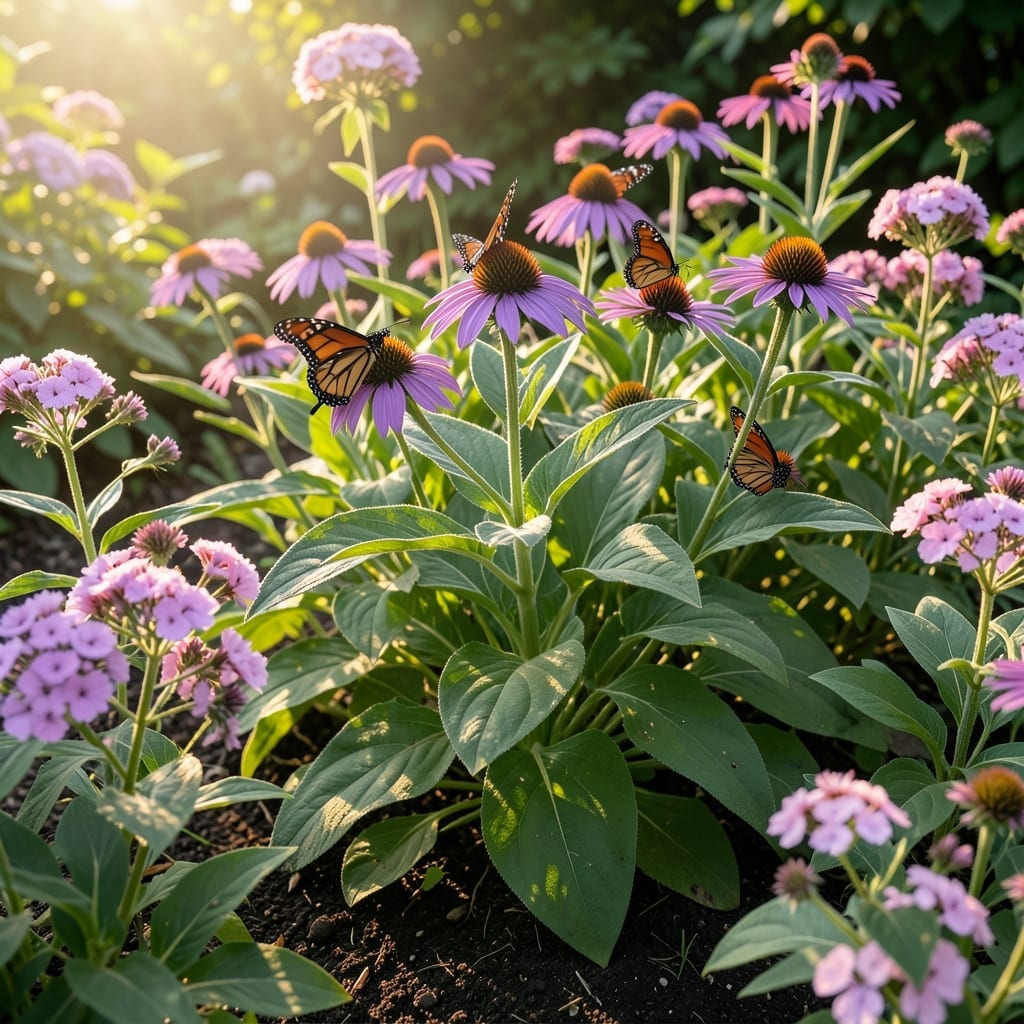
Want to turn your garden into a butterfly hotspot? This monarch and swallowtail magnet combines the essential host plant, milkweed, with nectar-rich blooms to fuel their journey.
Plant in a sun-drenched corner where butterflies can bask. Include purple coneflowers and pink phlox for continuous color from summer to fall. These flowers provide the perfect landing pads for butterflies to feed and rest.
Perfect for gardeners who want to support declining butterfly populations while adding vibrant beauty to their space. 🌟
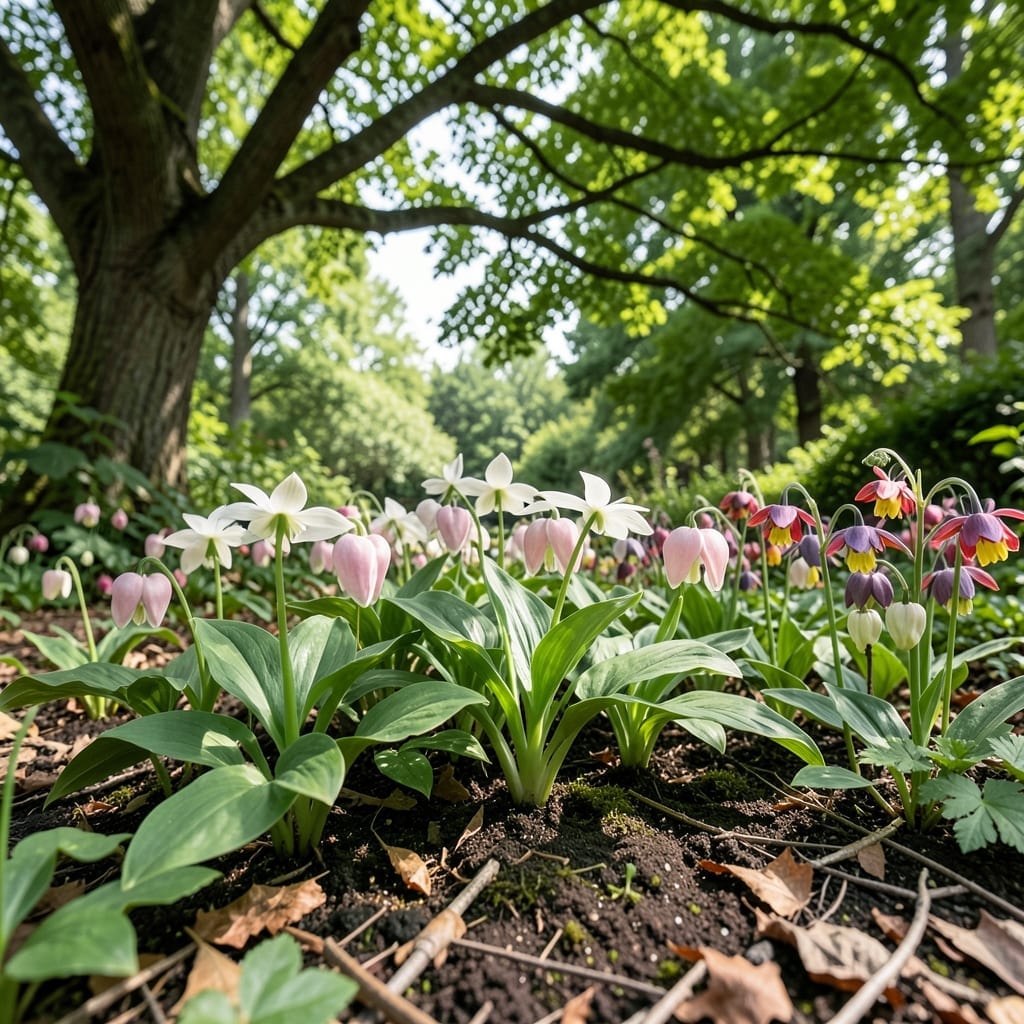
Struggling with bare, shady spots under your trees? Shade-tolerant woodland wildflowers transform these challenging areas into lush, vibrant spaces that thrive without direct sunlight.
This mix stars trillium, bleeding heart, and columbine—plants that flourish in dappled shade and moist, humus-rich soil. They bloom in early to mid-spring, just as pollinators emerge, and their delicate flowers add a touch of woodland magic to your garden.
Ideal for gardeners with mature trees or north-facing beds, these wildflowers require minimal upkeep once established. 🌿
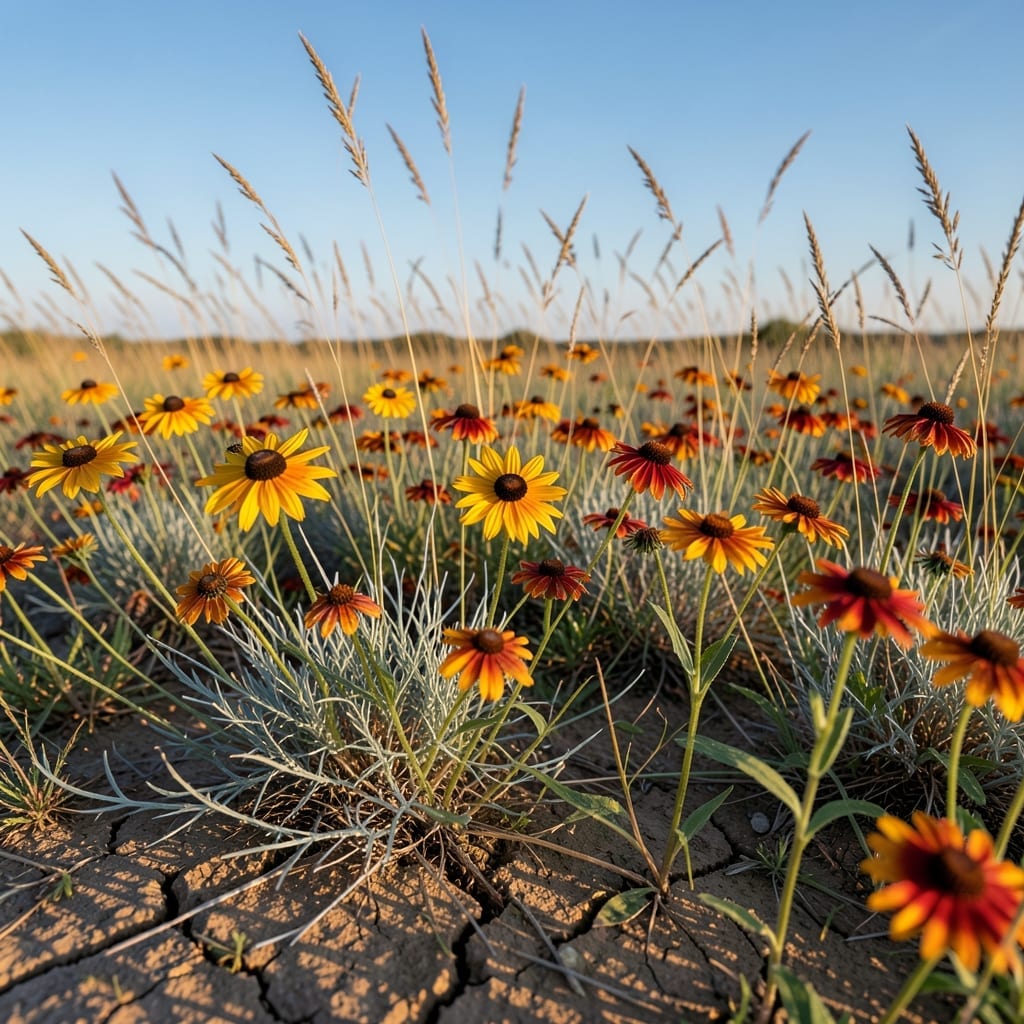
Forget the watering can—this prairie-inspired bed thrives where others wilt. Black-eyed Susans and blanket flowers bring bold color to arid spaces while requiring almost no supplemental water once established.
Pair them with bluestem grass for height and movement, creating a natural, rugged aesthetic that feels at home in dry climates. These tough plants tolerate poor soil and full sun, making them perfect for gardeners in water-restricted areas.
Ideal for eco-conscious landscapers who want beauty without the upkeep. 🌿
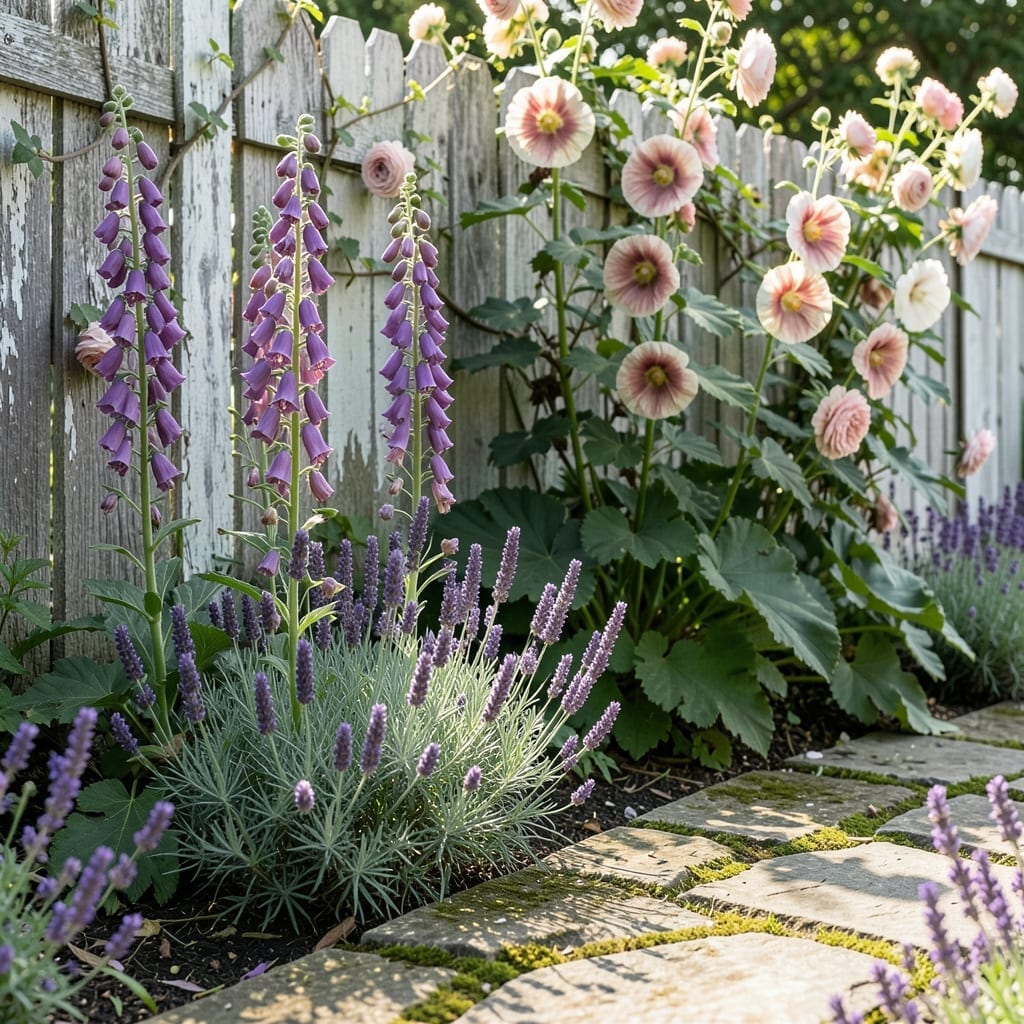
Bring old-world charm to your yard with a border that feels plucked from a storybook. This design weaves together foxgloves, hollyhocks, and fragrant lavender for a romantic, layered look that’s effortlessly beautiful.
Plant in front of a rustic fence or along a garden path for instant nostalgia. The tall spikes of foxgloves create vertical interest, while lavender adds a soothing scent and attracts bees. Hollyhocks anchor the arrangement with their classic cottage appeal.
Perfect for gardeners who love a whimsical, slightly wild aesthetic with minimal fuss. 🌿
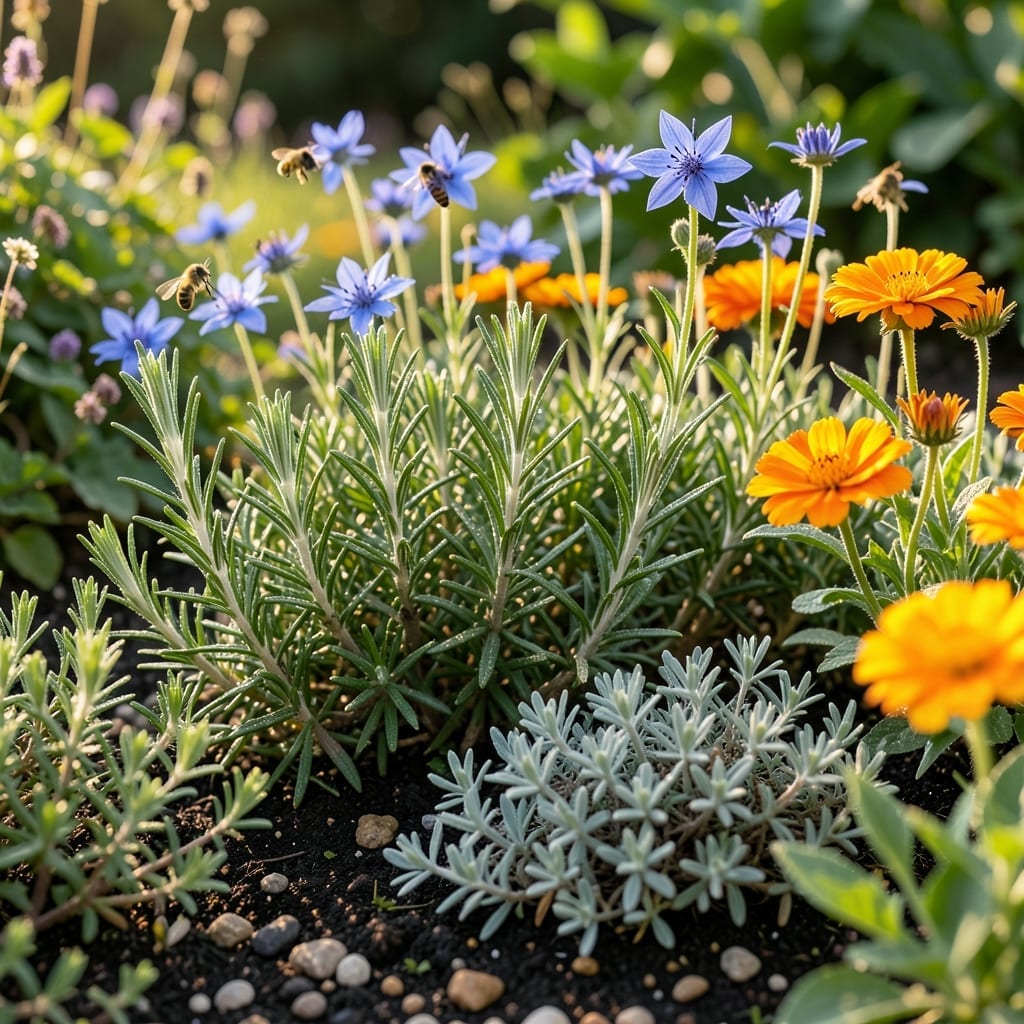
Turn your garden into a dual-purpose paradise by pairing fragrant culinary herbs with pollinator-magnet wildflowers. This combo delivers beauty, flavor, and ecological benefits in one space.
Plant rosemary and thyme alongside borage and calendula. The herbs provide year-round structure and fragrance, while the wildflowers attract bees and butterflies with their nectar-rich blooms from spring to fall.
Perfect for gardeners who want to maximize space—you’ll harvest fresh herbs for cooking while creating a thriving habitat for pollinators. 🌿
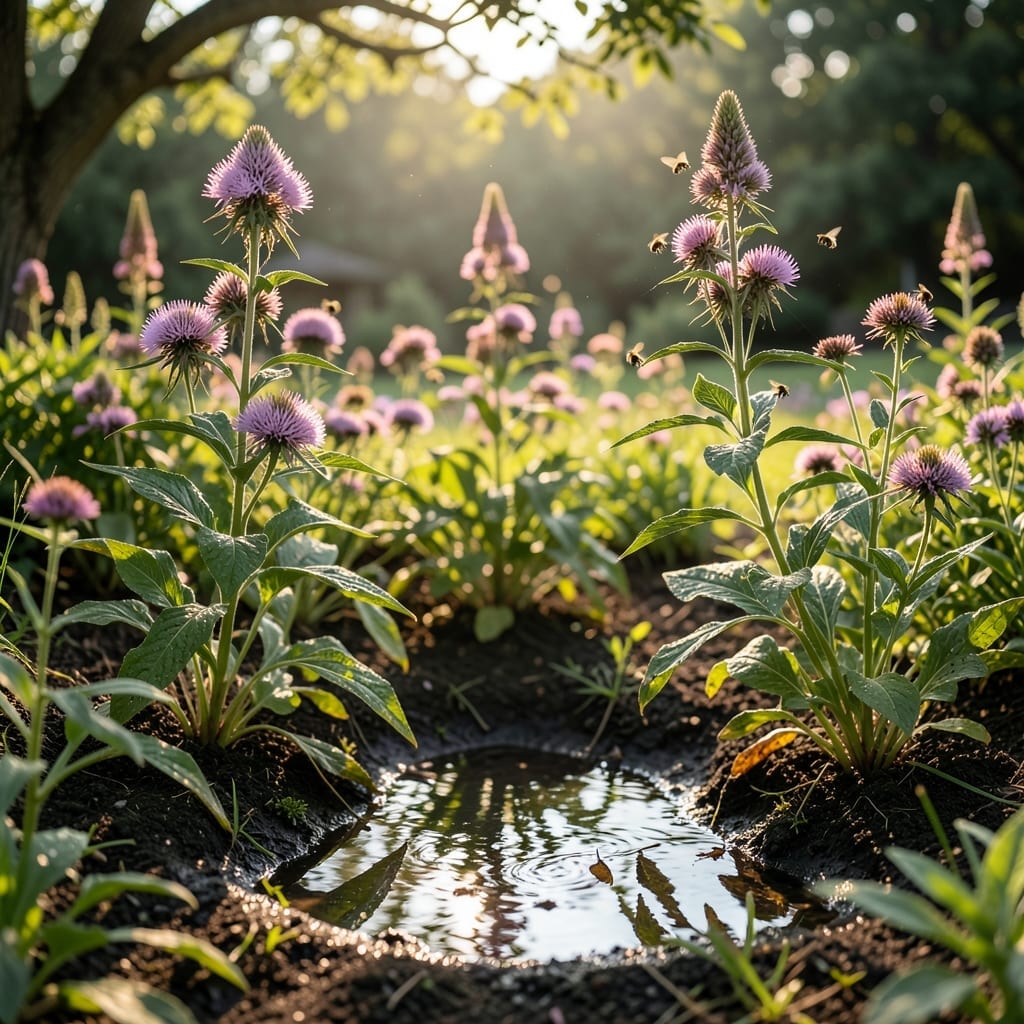
Turn that soggy corner of your yard into a thriving ecosystem with a native wildflower rain garden. It’s the perfect solution for low-lying areas where water pools after storms.
Plant swamp milkweed and Joe-Pye weed to soak up excess water while providing nectar for butterflies and bees. These deep-rooted natives improve drainage naturally and require minimal upkeep once established.
Ideal for eco-conscious gardeners, this setup reduces runoff and creates a beautiful, functional habitat that supports local wildlife. 🌿
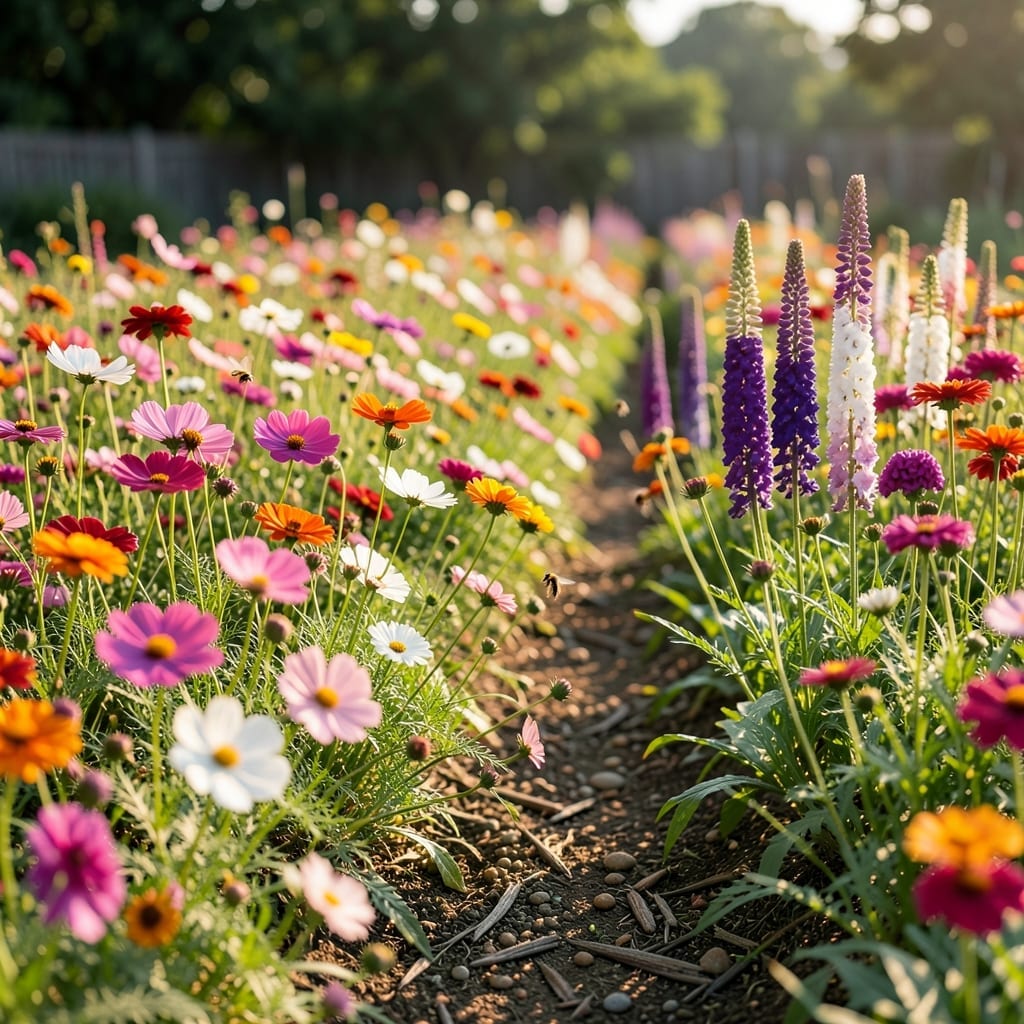
Bring the florist’s shop to your backyard with a cutting garden wildflower bed. This design lets you harvest armfuls of fresh bouquets while giving bees and butterflies a constant food source.
Plant cosmos, zinnias, and snapdragons in rows for easy access. These long-stemmed varieties thrive in full sun and well-draining soil, blooming continuously from early summer until frost with minimal care.
Perfect for gardeners who love fresh flowers indoors and want to support pollinators outdoors with the same vibrant bed. 🌻
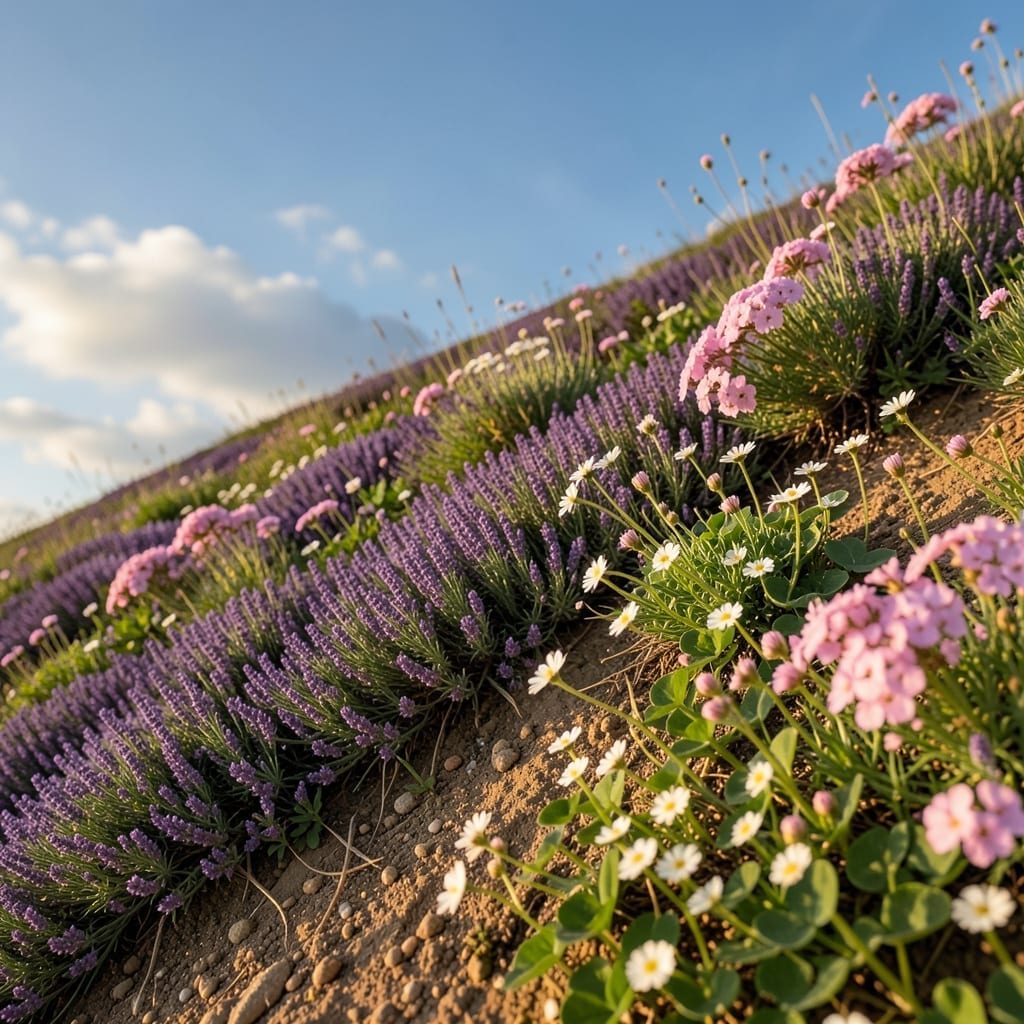
Tired of watching soil wash downhill after every rain? Wildflower ground cover solves erosion problems while adding cascading color to tricky slopes.
Plant creeping thyme for fragrant purple carpets, white clover for nitrogen-fixing benefits, and creeping phlox for springtime pink blooms. These low-growing perennials form dense mats that stabilize soil and thrive in full sun to partial shade.
Perfect for gardeners with hilly terrain, this living mulch requires minimal care after establishment and doubles as a pollinator buffet. 🌿
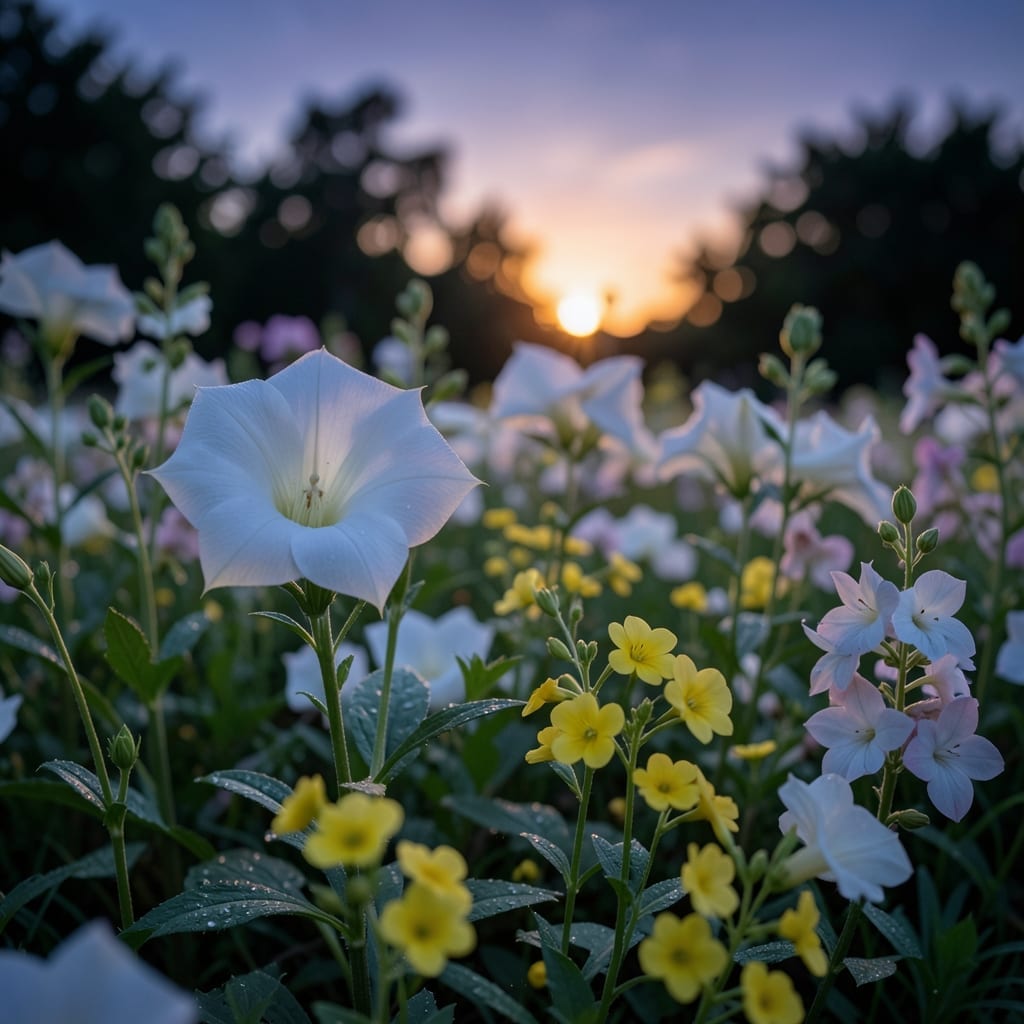
Transform your garden into an evening oasis with a night-blooming wildflower garden. As the sun sets, fragrant blooms like moonflower, evening primrose, and nicotiana come alive, filling the air with sweet scents.
These flowers release their fragrance after dark to attract moths and other night-flying pollinators, creating a magical twilight display. Plant in well-drained soil with full sun to partial shade for best results.
Perfect for gardeners who love evening entertaining or want to support often-overlooked nocturnal pollinators. 🌙