
Beautiful Plants For Your Interior
Beautiful Plants For Your Interior
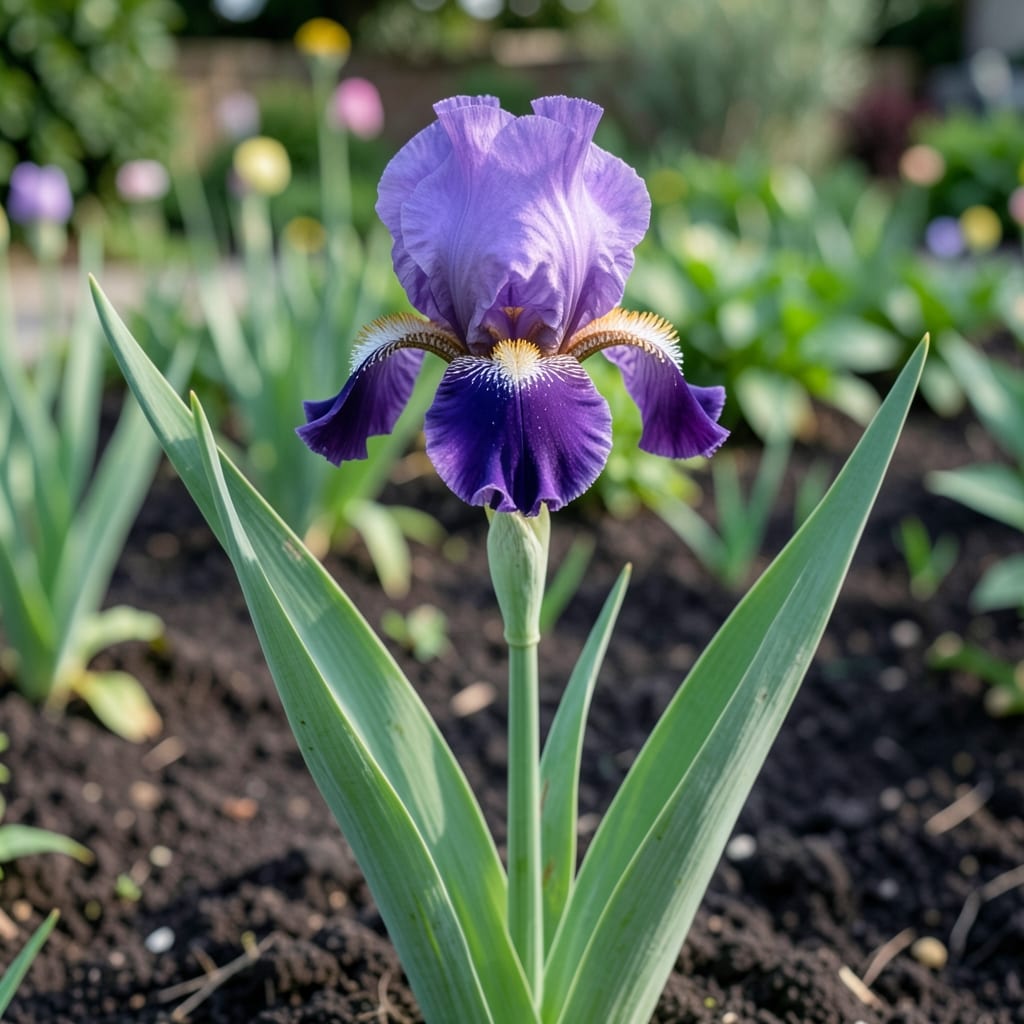
Bearded irises contain irritating compounds that can cause mild poisoning if ingested, leading to stomach upset, vomiting, or skin irritation in pets and humans.
These beautiful garden plants pack a hidden risk due to compounds like irisine and iridin. I’ve seen cases where curious pets or children experienced digestive distress after nibbling leaves or rhizomes. Even skin contact with the sap can trigger redness or itching in sensitive individuals, so handling them with care is wise. 🌟
💡 In This Article
Bearded irises produce irisin and iridin, two potent iridoid glycosides concentrated in their rhizomes and leaves. These compounds act as natural defenses against herbivores, triggering irritation when ingested or touched. The molecular structure allows them to bind with mucosal tissues, causing immediate inflammation in the mouth, throat, and digestive tract. 🔥
When these substances enter the body, they disrupt cellular membranes in the gastrointestinal lining. This leads to nausea within 15-30 minutes of ingestion, followed by vomiting or diarrhea as the body attempts to expel the irritants.
The severity depends on the amount consumed—1-2 grams of rhizome may cause mild symptoms, while larger quantities can induce more intense reactions. ✨
Skin contact presents a different mechanism. The sap contains enzymes that activate these compounds upon exposure to air or moisture, creating a mild acidic reaction. This explains why gardeners may develop red, itchy rashes within 1-2 hours of handling the plants without gloves.
The reaction is often localized but can spread if the sap is transferred to other body parts. 💫
What makes these compounds particularly tricky is their stability. Unlike some plant toxins that degrade when dried, irisin and iridin remain active in cut flowers or dried arrangements. This means even indoor displays can pose risks if pets or children chew on the stems or leaves.
The compounds also resist breakdown in compost, potentially affecting soil safety for 6-12 months after disposal. ⚡
Interestingly, the concentration varies by plant part and season. Rhizomes contain the highest levels (0.5-1.2% by dry weight), especially during active growth in spring. The flowers have lower concentrations but can still cause irritation if consumed in quantity. This seasonal variation explains why toxicity cases often spike during planting and dividing periods. 🌟
They contain irisin and iridin compounds that irritate skin and digestive systems. Even small amounts can cause nausea within 15-30 minutes of ingestion.
Always wear gloves and long sleeves when working with them. Wash hands thoroughly with soap and water after contact to prevent skin irritation.
Watch for excessive drooling, mouth pawing, or vomiting. In cats, lethargy or appetite loss may appear. Call your vet immediately if suspected.
No, the toxins remain active in dried materials. Keep all parts out of reach, as even dried stems can cause irritation if chewed.