
Beautiful Plants For Your Interior
Beautiful Plants For Your Interior
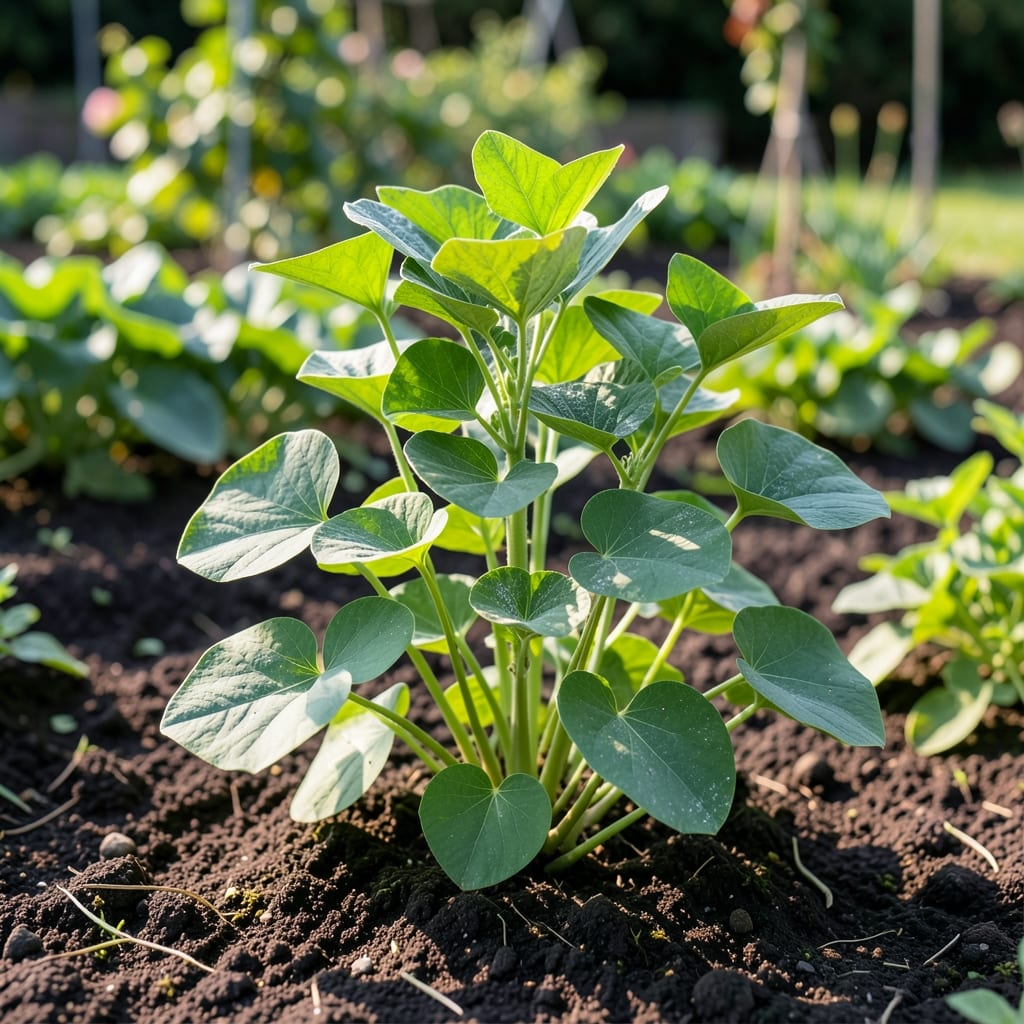
Bathua, or lambsquarters, grows wild in many parts of the USA and is available in specialty Indian grocery stores or as seeds for home cultivation. It’s a nutritious leafy green used in cooking.
I’ve spotted this hardy plant thriving in untended corners of backyards and community gardens, often mistaken for a weed. It adapts well to temperate climates and requires minimal care, making it ideal for beginner gardeners. Beyond its ease of growth, it’s packed with iron and vitamin C, which explains its popularity in traditional cuisines. 🔥
For those without green thumbs, specialty markets in areas with large South Asian communities typically stock fresh bunches or dried leaves. ✨
💡 In This Article
Bathua thrives in USDA Hardiness Zones 3-9, making it suitable for most American climates. It prefers well-draining soil with a pH between 6.0-7.5, tolerating poor soil better than many vegetables. This resilience comes from its wild origins, where it adapted to grow in disturbed soils with minimal nutrients.
The plant grows best in full sun to partial shade, requiring at least 4-6 hours of sunlight daily. Seeds germinate quickly in 5-10 days when soil temperatures reach 50-75°F. Unlike delicate greens, bathua handles light frost, with young leaves becoming sweeter after exposure to cold.
For home cultivation, scatter seeds 1/4 inch deep in rows 12-18 inches apart. Thin seedlings to 6-8 inches apart to allow proper air circulation. The plant reaches harvestable size in 30-40 days, with leaves ready for picking when they’re 3-4 inches long. 🔥
Regular watering maintains moist soil, but bathua’s drought tolerance means it survives brief dry periods. However, consistent moisture produces the most tender leaves. The plant’s deep taproot allows it to access water from lower soil layers, making it more resilient than shallow-rooted vegetables.
Harvest leaves by pinching off the top 2-3 inches of growth, which encourages bushier plants. Unlike many greens, bathua continues producing new leaves throughout the growing season until the first hard frost. This continuous harvest makes it a valuable addition to any edible garden.
For those in colder climates, bathua can be grown as a cool-season crop in both spring and fall. In warmer regions, it may grow year-round, though summer heat can cause the plant to bolt to seed. ✨
Not at all! It thrives in USDA Zones 3-9 and tolerates poor soil. Just provide 4-6 hours of sunlight and keep soil moist for best results.
Look for diamond-shaped leaves with a white, powdery coating on the underside. The plant grows upright to 2-4 feet tall. Always use a field guide to confirm before harvesting.
Seeds sprout in 5-10 days. You can start picking leaves when they reach 3-4 inches, usually in 30-40 days.
Unlikely. Check Indian or international markets instead, especially in spring. Online seed shops are the most reliable source for home growing.