
Beautiful Plants For Your Interior
Beautiful Plants For Your Interior
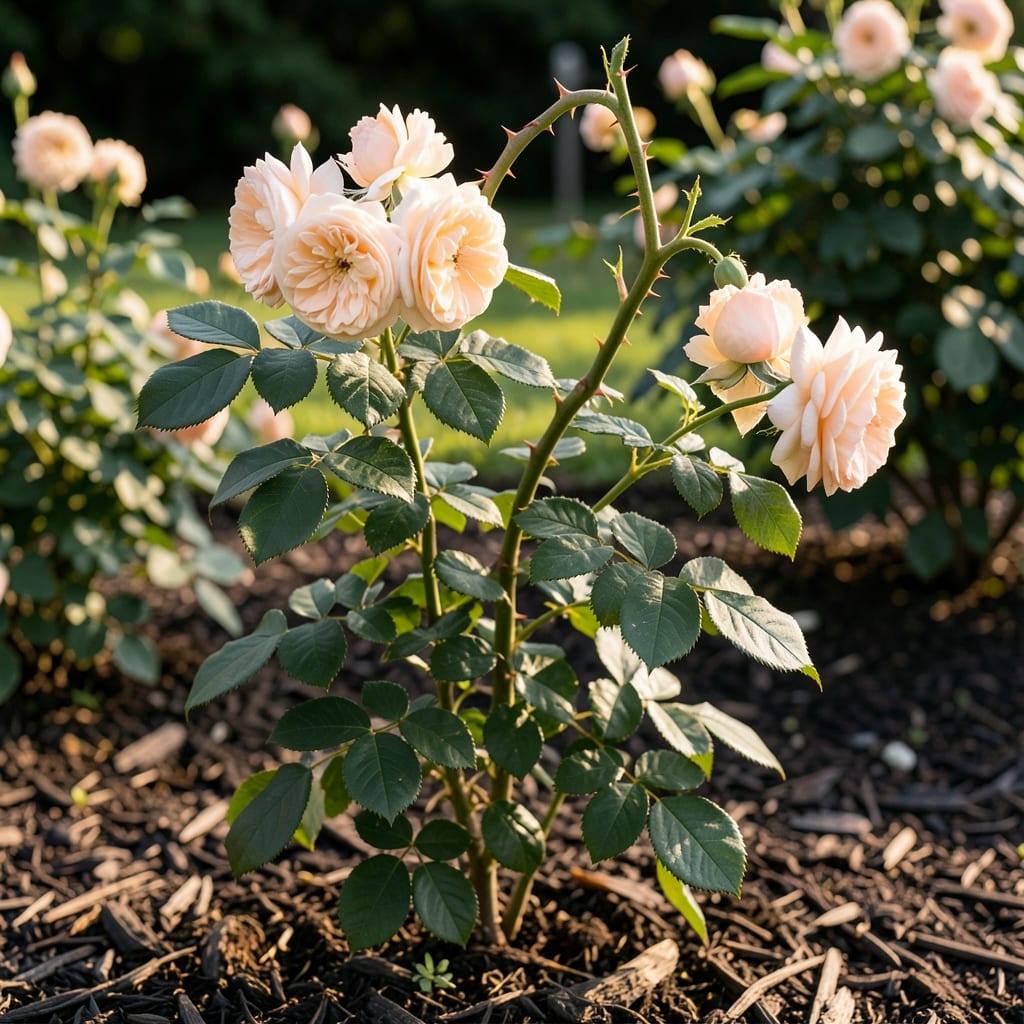
Bathsheba climbing rose thrives in full sun to partial shade, producing fragrant, creamy-white blooms with golden stamens. It needs well-drained soil and regular pruning to encourage vigorous growth and repeat flowering.
I love how this variety brings classic charm to any garden with its elegant blooms. The golden stamens create a striking contrast against the creamy petals, making it a standout choice for arches and trellises. Its adaptability to different light conditions makes it perfect for both sunny borders and slightly shadier spots. 🌟
For best results, I always plant it in loamy soil with good drainage to prevent root rot. Regular pruning after the first bloom cycle keeps the growth controlled and encourages more flowers throughout the season.
💡 In This Article
This rose variety flourishes in USDA zones 5-9, where it can handle both warm summers and cold winters. It thrives with 6-8 hours of direct sunlight daily, though it tolerates partial shade, especially in hotter climates. The key is consistent light exposure to maximize its creamy-white blooms. 🔥
Soil quality dramatically impacts its performance. Well-drained loam with a pH of 6.0-6.5 is ideal, as it balances moisture retention and aeration. Heavy clay or sandy soils should be amended with organic matter like compost to improve structure and nutrient availability. 🌟
Watering plays a crucial role in bloom production. Deep watering 1-2 times weekly (about 1-2 inches per session) encourages strong root development. Avoid overhead watering to prevent fungal diseases like black spot, which can damage the golden stamens and petals. ✨
Climate affects blooming patterns significantly. In cooler zones, expect a single spectacular flush in early summer. Warmer regions often see repeat blooming throughout the season, especially with deadheading spent flowers. The fragrance intensifies in full sun, releasing its sweet, honey-like scent more prominently. 💫
Proper air circulation is essential to prevent common rose diseases. Space plants 3-5 feet apart to allow airflow between canes. Mulching with 2-3 inches of organic material helps retain moisture while keeping roots cool during heatwaves. 💛
Deep water 1-2 times weekly, providing 1-2 inches per session. Focus on the base to avoid wetting the foliage, which can lead to fungal issues. Adjust frequency based on rainfall and soil drainage.
Use a sturdy trellis, arbor, or fence that can hold 10-15 feet of growth. Fan out main canes horizontally to encourage more blooms along the stems. Secure with soft ties to avoid damaging the stems.
Fragrance intensifies in full sun. If your plant is in too much shade, the scent may be weaker. Also, younger plants or those stressed by drought or poor soil may produce less fragrant flowers.
Yes, but choose a large container (20+ gallons) with excellent drainage. Use high-quality potting mix and ensure the container gets 6-8 hours of sunlight daily. Container-grown roses need more frequent watering.