
Beautiful Plants For Your Interior
Beautiful Plants For Your Interior
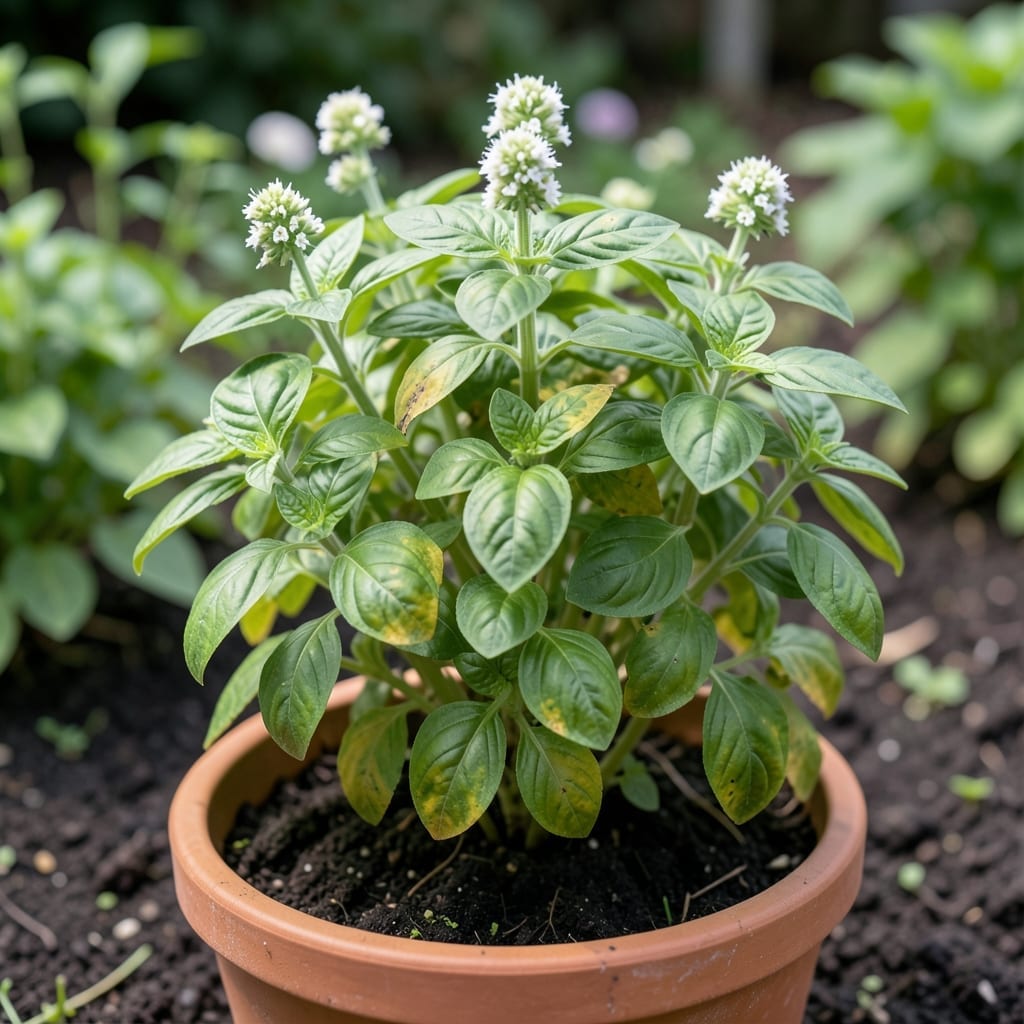
Yellow basil leaves ruined my summer pesto dreams last year. I traced the issue to three simple fixes—overwatering, poor drainage, and nutrient gaps—that most gardeners overlook until it’s too late.
Each cause leaves a distinct fingerprint: soggy soil, leaf spots, or pale growth. The good news? Organic solutions like adjusting water, adding compost, or introducing beneficial insects can reverse the damage in 1-2 weeks.
You’ll spot the difference quickly—new growth returns to that vibrant green basil should have. The plants perk up, roots strengthen, and your kitchen stays stocked with fresh leaves.
Works for container or in-ground basil, whether you’re growing Genovese, Thai, or purple varieties. Here’s how to diagnose and treat it.
Yellow leaves on basil often signal underlying stress or disease. Here are the most common causes, explained scientifically:
Nitrogen, magnesium, or iron shortages trigger chlorosis (yellowing) as chlorophyll production falters. Nitrogen deficiency starts in older leaves, while magnesium (a mobile nutrient) causes interveinal yellowing. Iron deficiency, common in alkaline soil, affects younger leaves first. Test soil pH (ideal: 6.0–7.0) and amend with compost or organic fertilizers.
Root rot from soggy soil Pythium or Phytophthora fungi blocks water and nutrient uptake. Basil thrives in moist—but not waterlogged—conditions. Ensure pots have drainage holes and use well-draining, loamy soil. Water only when the top inch of soil feels dry.
Too much direct sun (6+ hours in hot climates) can scorch leaves, while insufficient light weakens chlorophyll synthesis. Basil needs 4–6 hours of morning sun. If growing indoors, use grow lights (12–14 hours/day) 6–12 inches above plants.
Fusarium wilt or bacterial leaf spot (Pseudomonas) disrupt vascular systems, causing yellowing and wilting. These pathogens thrive in wet foliage. Avoid overhead watering, space plants for airflow, and remove infected leaves immediately. Copper-based sprays can help prevent bacterial spread.
Sap-sucking pests like aphids, spider mites, or whiteflies drain plant nutrients, leading to yellowing. Check leaf undersides for webs, sticky residue (honeydew), or tiny insects. Blast pests off with water or apply neem oil weekly until resolved.
Once you’ve identified the cause, these targeted fixes will help restore your basil’s vibrant green leaves. Act quickly for the best results!
Fix: Let the soil dry out between waterings. Repot the basil in a well-draining container with fresh, loamy potting mix. Add perlite or sand to improve drainage. Trim any black, mushy roots to prevent rot.
Prevention: Water only when the top inch of soil feels dry. Use pots with drainage holes and avoid saucers that trap water.
Fix: Move your basil to a sunny windowsill or under grow lights for 6–8 hours of light daily. If growing outdoors, relocate to a spot with partial to full sun.
Prevention: Rotate potted basil weekly for even light exposure. In low-light areas, supplement with a full-spectrum LED grow light.
Fix: Feed with a balanced, water-soluble fertilizer (10-10-10 or 5-5-5) every 2–4 weeks. For nitrogen deficiency (pale yellow leaves), use a high-nitrogen option like fish emulsion.
Prevention: Mix compost into the soil before planting. Avoid over-fertilizing—it can burn roots and worsen yellowing.
Fix: Spray leaves with neem oil or insecticidal soap to eliminate aphids, spider mites, or whiteflies. Wipe leaves with a damp cloth to remove pests manually.
Prevention: Inspect plants regularly, especially under leaves. Introduce beneficial insects like ladybugs to control pests naturally.
Fix: Move basil indoors if temperatures drop below 50°F (10°C). Use a heat mat for seedlings in cool climates. Shield outdoor plants from extreme heat with shade cloth.
Prevention: Keep basil in a stable environment (70–85°F or 21–29°C). Avoid placing pots near drafty windows or heating vents.
💡 Pro Tip: Prune yellow leaves immediately to redirect the plant’s energy to healthy growth. Always sterilize pruning tools with rubbing alcohol to prevent disease spread.
No, once a leaf turns yellow, it won’t recover. The best approach is to remove it so the plant can focus energy on new, healthy growth.
Water when the top 1 inch of soil feels dry. In hot weather, this might mean watering every 2-3 days, but always check the soil first. Overwatering is a common cause of yellowing.
Use well-draining, loamy soil with a pH of 6.0–7.0. Mix in compost for nutrients and perlite or sand to improve drainage. Avoid heavy clay soils that retain too much moisture.
Only if a soil test confirms nutrient deficiency. Use a balanced fertilizer (10-10-10) sparingly. Over-fertilizing can worsen stress and cause more yellowing.