
Beautiful Plants For Your Interior
Beautiful Plants For Your Interior
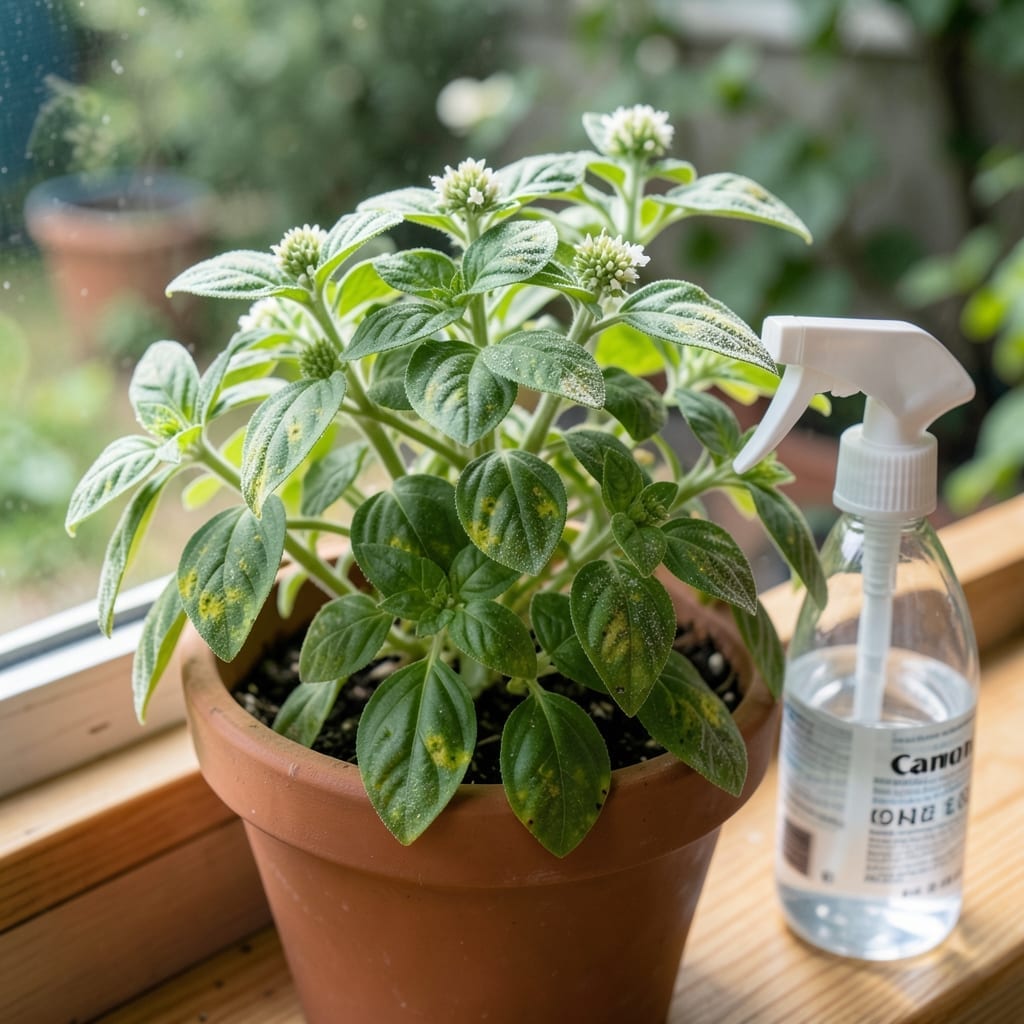
Yellow spots on basil leaves last summer nearly ruined my pesto harvest. This fungal menace spreads fast in damp conditions, turning vibrant green foliage into a sad, mottled mess.
I learned the hard way that prevention beats cure. Good airflow, morning watering, and 3-foot spacing between plants make a huge difference. Even my most vulnerable varieties now stand a fighting chance.
Once it appears, organic treatments can rescue your crop. A simple baking soda spray or copper fungicide stops the spread without harsh chemicals.
Works for container gardens, raised beds, or backyard plots. Here’s how to save your basil before it’s too late.
Basil downy mildew (Peronospora belbahrii) thrives under specific environmental conditions and cultural practices. Here’s why your plants may be at risk:
This pathogen requires free water on leaf surfaces to germinate and infect. Prolonged humidity (above 85%) or frequent overhead watering creates the perfect breeding ground. Even dew-heavy mornings can kickstart an outbreak if leaves stay wet for 2–4 hours.
Temperatures between 60–75°F (15–24°C) with low light (e.g., dense plantings or cloudy days) slow leaf drying. Basil grown in partial shade or crowded beds is especially vulnerable, as poor air circulation traps moisture.
The fungus can overwinter in seed coats or contaminated soil. Using untreated seeds or reusing potting mix from infected plants introduces spores directly to new crops. Always source certified disease-free seeds and sterilize soil.
Tight plant spacing or stagnant air prevents evaporation, letting spores settle and multiply. Greenhouses or indoor setups with no ventilation are high-risk zones. Thin seedlings and space mature plants 12–18 inches apart for better airflow.
Sweet basil (Ocimum basilicum) is highly susceptible, while some newer hybrids (e.g., ‘Eleonora’ or ‘Prospera’) show resistance. If you’re in a humid climate, opt for resistant cultivars to reduce reliance on treatments.
When yellowing leaves and fuzzy gray growth appear on your basil, act fast. Here’s how to treat and prevent basil downy mildew with practical, organic solutions.
Start by pruning affected leaves and stems immediately. Use clean, sharp scissors or pruners to avoid spreading spores. Never compost infected plant material—dispose of it in sealed bags to prevent further contamination.
Downy mildew thrives in damp, stagnant air. Space plants at least 12 inches apart and trim dense foliage to boost airflow. If growing indoors, run a fan on low for a few hours daily to keep air moving.
Water at the base of the plant, not overhead, to keep leaves dry. Early morning watering allows foliage to dry quickly in the sun. Avoid overwatering—basil prefers moist but well-drained soil.
For active infections, use copper-based fungicides or neem oil (mixed with water and a drop of soap as a surfactant). Spray evenly on both sides of leaves every 7–10 days until the issue clears. Baking soda spray (1 tsp baking soda + 1 quart water + a few drops of soap) can also help as a mild preventative.
If more than 50% of the plant is affected, it’s best to remove it entirely. For less severe cases, prune infected parts and treat with copper fungicide or neem oil immediately. Isolate the plant to prevent spreading.
For active infections, spray every 7–10 days until symptoms disappear. For prevention in humid climates, apply every 2–3 weeks. Always cover both leaf surfaces thoroughly.
Spores can overwinter in soil or on old plant debris. Rotate crops yearly, use fresh potting mix, and clean garden tools. Choose resistant varieties like ‘Sweet Dani’ for humid areas.