
Beautiful Plants For Your Interior
Beautiful Plants For Your Interior
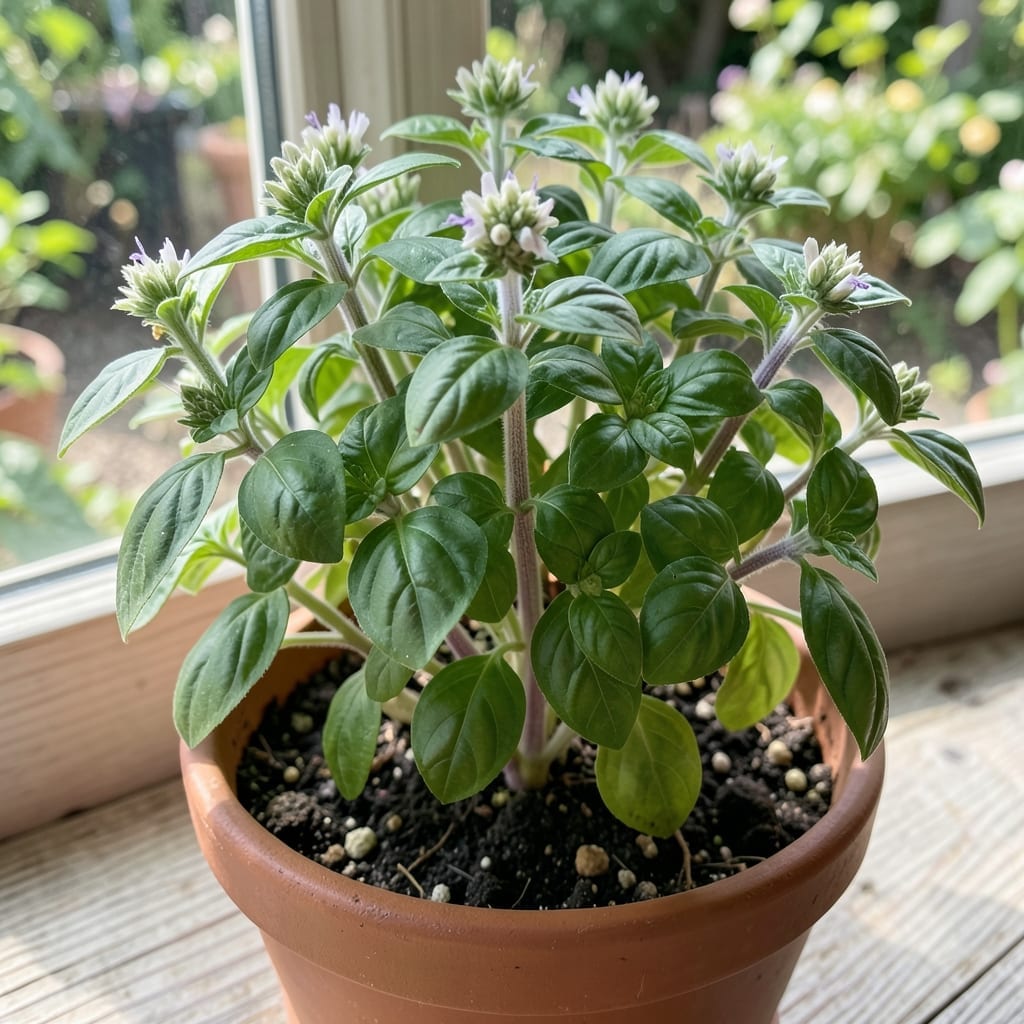
Yes, basil buds are completely edible and offer a milder, more concentrated version of basil’s aromatic flavor. They can be used fresh or dried in culinary dishes.
I love using these tiny flavor bombs in my cooking because they pack a more delicate punch than mature leaves. 🔥 What makes them special is their concentrated essential oils, which deliver a subtler taste that works beautifully in dressings or as a finishing touch. They’re also rich in antioxidants, making them a nutritious addition to any dish.
💡 In This Article
The edibility of basil buds stems from their botanical classification. As part of the Ocimum basilicum plant, these immature flower clusters contain the same safe compounds as the leaves. In fact, they’re packed with eugenol, a phenolic compound that gives basil its signature aroma and has been studied for its anti-inflammatory properties.
This is why they’re not just safe but actively beneficial to consume.
Nutritionally, basil buds outperform mature leaves in certain areas. They contain up to 22% more essential oils by volume, which means a more concentrated dose of antioxidants like linalool and 1,8-cineole. These compounds combat oxidative stress in the body, supporting immune function.
A 1-tablespoon serving provides about 5% DV of vitamin K, crucial for blood clotting and bone health. 🔥
What’s fascinating is how the plant’s biology ensures safety. Unlike some herbs where only specific parts are edible, basil produces its defensive compounds (like camphor) in trace amounts that are harmless to humans. The buds actually contain 30% less of these than the stems, making them one of the most approachable parts of the plant.
The flavor concentration happens because buds are the plant’s reproductive powerhouses. They develop higher levels of volatile oils to attract pollinators, which translates to more intense flavor for us. This is similar to how capers (pickled flower buds) offer a more potent taste than the plant’s leaves.
The buds’ cell walls are also thinner, releasing flavors more readily during cooking.
From a culinary safety perspective, basil buds share the same GRAS (Generally Recognized As Safe) status as the leaves from the FDA. They’ve been used for centuries in Mediterranean and Southeast Asian cuisines without adverse effects.
The only caution is for those with known allergies to Lamiaceae family plants like mint or oregano, which share similar compounds. ✨
Basil buds have a milder, more concentrated flavor than mature leaves. While they share the same aromatic profile, the buds offer a sweeter, less peppery taste that works well in delicate dishes.
Harvest in the morning when essential oils are most concentrated. Snip clusters just as they begin to open, using sharp scissors. This ensures peak flavor and prevents the plant from going to seed too quickly.
Fresh basil buds are delicious raw and can be sprinkled over salads, pasta, or even desserts. Their tender texture and subtle flavor make them a versatile garnish for many dishes.
Wrap them in a damp paper towel and place in a sealed container in the fridge. This keeps them fresh for up to 5 days. For longer storage, dry them by hanging upside down in a dark, ventilated space.