
Beautiful Plants For Your Interior
Beautiful Plants For Your Interior
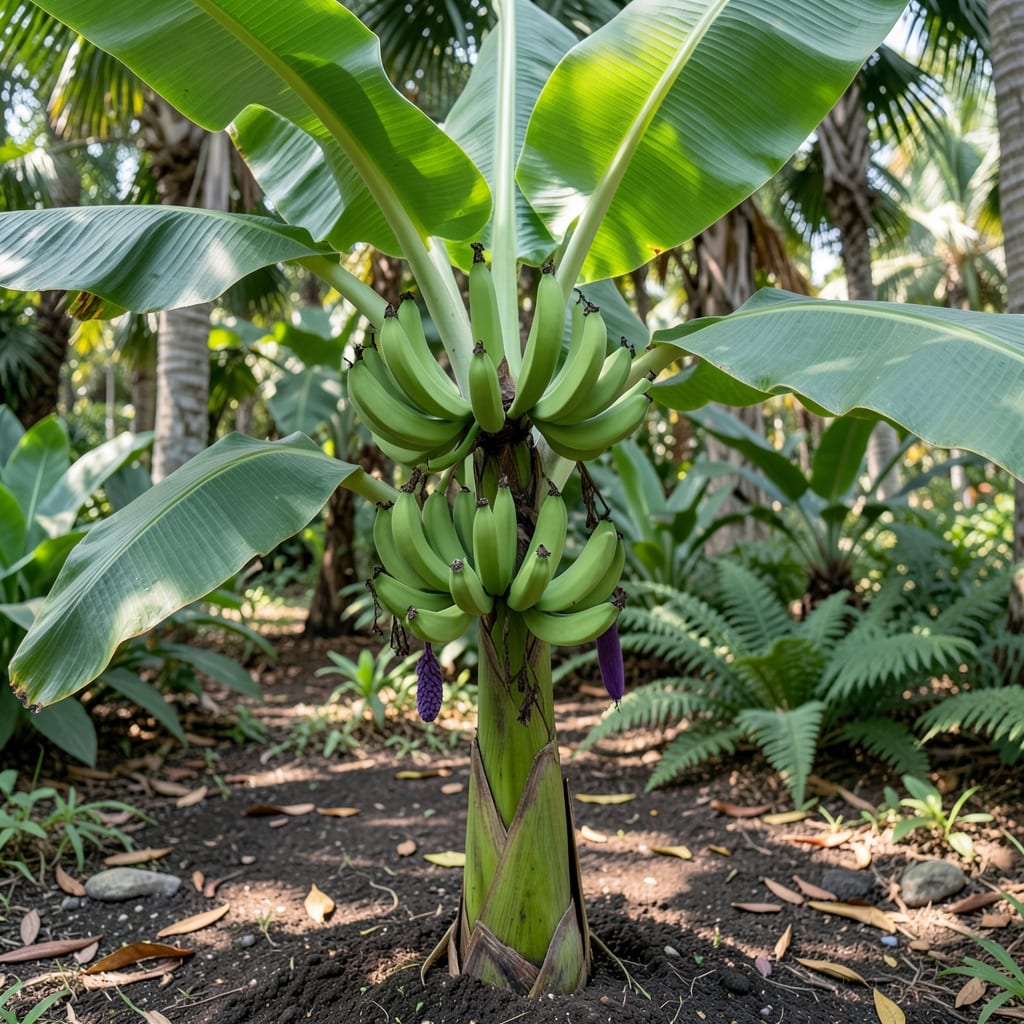
Wild bananas thrive in tropical rainforests, originating in Southeast Asia and spread by early humans. They grow as understory plants, benefiting from the humid, shaded environment and rich soil.
These plants have evolved to flourish beneath the dense canopy, where filtered sunlight and consistent moisture create ideal conditions. I find their ability to adapt to this niche fascinating—they rely on the forest floor’s organic matter for nutrients. The warm, stable climate supports rapid growth, and their natural dispersal methods helped establish them across different regions. 🌟
💡 In This Article
The rainforest’s layered structure creates perfect microclimates for wild bananas. These plants flourish in the understory where filtered sunlight provides just 10-20% of full sun intensity. This dappled light prevents leaf scorch while supplying enough energy for photosynthesis. 🔥
Ideal temperatures range between 78-86°F with humidity levels consistently above 80%. The air’s moisture content is crucial—it prevents water loss through transpiration and supports the large, tropical leaves that can reach 9 feet long. The soil here is typically volcanic or alluvial, offering excellent drainage while retaining nutrients.
What’s fascinating is how the canopy acts like a natural greenhouse. It traps heat during cooler nights while protecting the plants from heavy rainfall that could erode soil or damage leaves. This stable environment allows bananas to focus energy on growth rather than stress responses.
The organic leaf litter layer also provides a constant slow-release fertilizer.
Wild banana varieties have adapted to these conditions with specific features. Their pseudostems (made of tightly packed leaf bases) store water efficiently, while the extensive root system spreads horizontally to absorb nutrients from the shallow forest floor. This adaptation explains why they rarely need deep soil penetration. ✨
Seasonal variations in tropical rainforests are minimal, which means banana plants can produce fruit year-round in their native habitat. The consistent conditions also support their rapid growth cycle—some varieties can reach maturity in just 9-12 months under optimal rainforest conditions.
Rainforests provide ideal conditions: 78-86°F temperatures, 80%+ humidity, and rich, well-draining soil. The canopy cover creates perfect filtered light that prevents leaf scorch while supporting growth.
Wild bananas have seeds and less edible flesh, while cultivated varieties are seedless with more fruit. Wild types grow as understory plants in rainforests, adapting to shaded, humid environments. Cultivated bananas require more direct sunlight.
Under optimal rainforest conditions, some varieties reach maturity in just 9-12 months. The stable climate and consistent moisture allow for rapid growth cycles, with fruit production possible year-round.
Yes, but they need similar conditions: warm temperatures, high humidity, and protection from strong winds. In non-tropical areas, they must be grown in greenhouses or as annual plants in warmer months.