
Beautiful Plants For Your Interior
Beautiful Plants For Your Interior
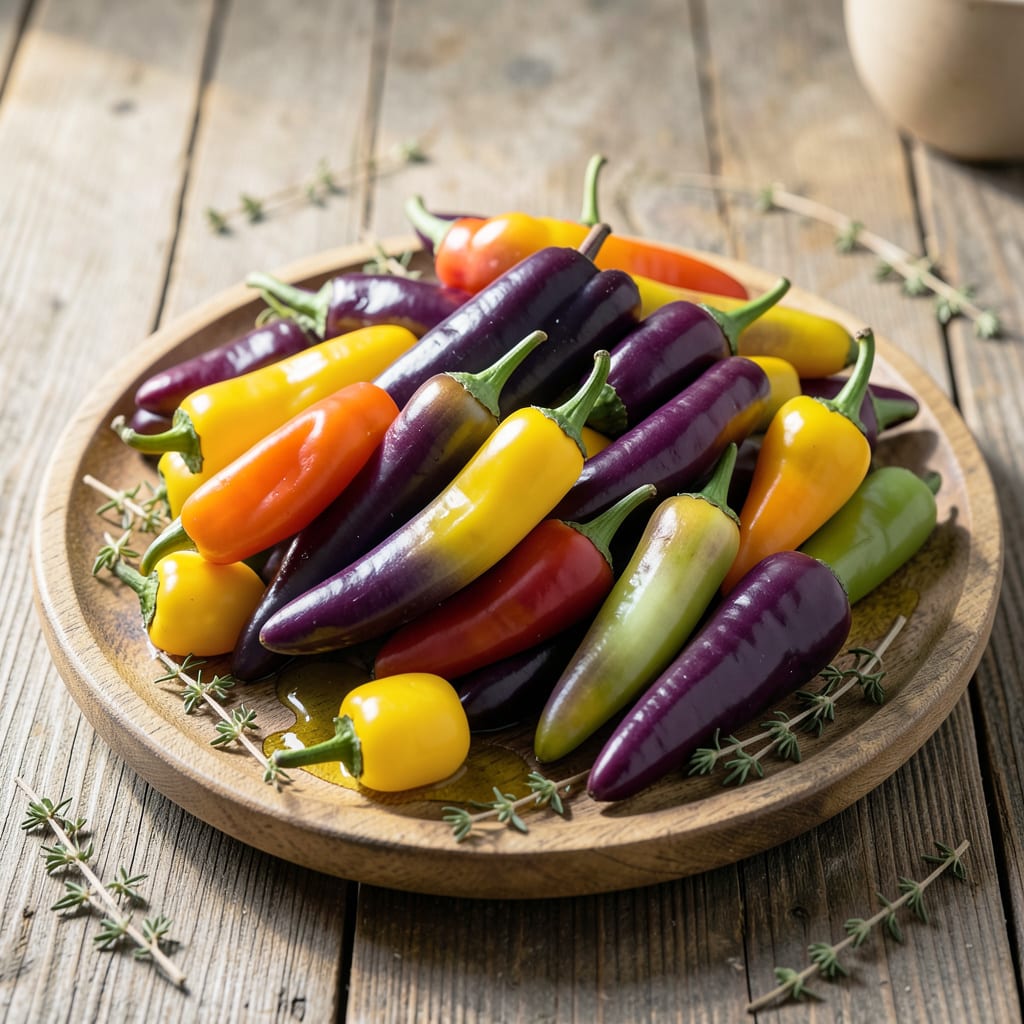
That first purple banana pepper had me worried. 🌿 I’d been waiting for bright yellow fruits, but there it was—deep violet and looking perfectly healthy. Turns out, this might be normal or a sign something’s off.
Some varieties naturally turn purple as they ripen, especially heirlooms. But if your usual yellow type starts changing color, it could signal phosphorus deficiency or stress from temperature swings. The plant’s way of telling you it needs attention.
Check your soil first. A balanced fertilizer often fixes nutrient issues. For environmental stress, ensure consistent watering and protect plants from extreme heat or cold.
You’ll know it’s natural maturation when the color change is uniform and the pepper feels firm. If it’s patchy or accompanied by wilting, it’s time to investigate further.
Banana peppers turning purple often signal natural or environmental factors at play. Here’s a breakdown of the most common causes:
Some banana pepper varieties, like Capsicum annuum ‘Sweet Banana’ or ‘Hungarian Wax,’ may develop purple hues as they ripen. This occurs due to the accumulation of anthocyanins, water-soluble pigments activated by sunlight and temperature fluctuations. These compounds are more prominent in cooler climates or during the pepper’s final ripening stages, shifting from green to yellow, orange, or even deep purple.
Exposure to cold temperatures (below 50°F/10°C) can trigger anthocyanin production as a protective response. Peppers grown in early spring or late fall may exhibit purple streaks or patches when nights are chilly. This is temporary and doesn’t affect flavor or safety, but consistent warmth reverses the color.
A phosphorus deficiency is a common culprit. Phosphorus is vital for energy transfer in plants, and its lack can cause purpling in leaves and fruits. Test soil with a pH kit—ideal levels are 6.0–6.8. Amend with bone meal or a balanced fertilizer (10-10-10) to restore nutrient harmony. Over-fertilization with nitrogen, conversely, can also disrupt pigment synthesis.
Certain heirloom or hybrid banana pepper strains are bred to express purple tones. If your plants were labeled as purple-maturing varieties, this is simply their genetic programming. Check seed packets or nursery tags for variety-specific traits to confirm.
Intense UV light can boost anthocyanin production, leading to purple splotches on sun-exposed sides of peppers. While this doesn’t harm the fruit, rotating plants or providing light shade cloth can prevent uneven coloration.
If your banana peppers are turning purple, here’s how to address the most common causes and restore their vibrant yellow color.
Prevention tip: 💡 Test soil annually and amend before planting. Rotate crops to avoid depleting specific nutrients.
Prevention tip: 🌡️ Plant peppers after the last frost when soil is warm (above 60°F/15°C) and use row covers early in the season for warmth.
Prevention tip: ✨ Practice crop rotation and keep the garden free of debris to deter pests and pathogens.
If your peppers are a purple-maturing variety (e.g., ‘Purple Banana Pepper’), no action is needed—this is natural! For premature purple hues in yellow varieties, ensure consistent care and monitor for the issues above.
Prevention tip: 🎯 Label plants at purchase and research their mature color to avoid confusion.
Yes, it’s completely safe if the color change is due to natural ripening or temperature stress. Just check for firmness and no signs of rot. If pests or disease caused the discoloration, discard affected peppers.
Natural color change is uniform and appears as the pepper matures. Patchy purple or leaf discoloration often signals a phosphorus deficiency. Test your soil to confirm.
If caused by cold stress, warmer temperatures will restore the yellow hue. For nutrient issues, correcting the imbalance with fertilizer should reverse the color over 1-2 weeks.
Intense sunlight can create purple splotches on exposed sides. Rotate plants or use 30-40% shade cloth during peak sun hours to prevent uneven coloring.
