
Beautiful Plants For Your Interior
Beautiful Plants For Your Interior
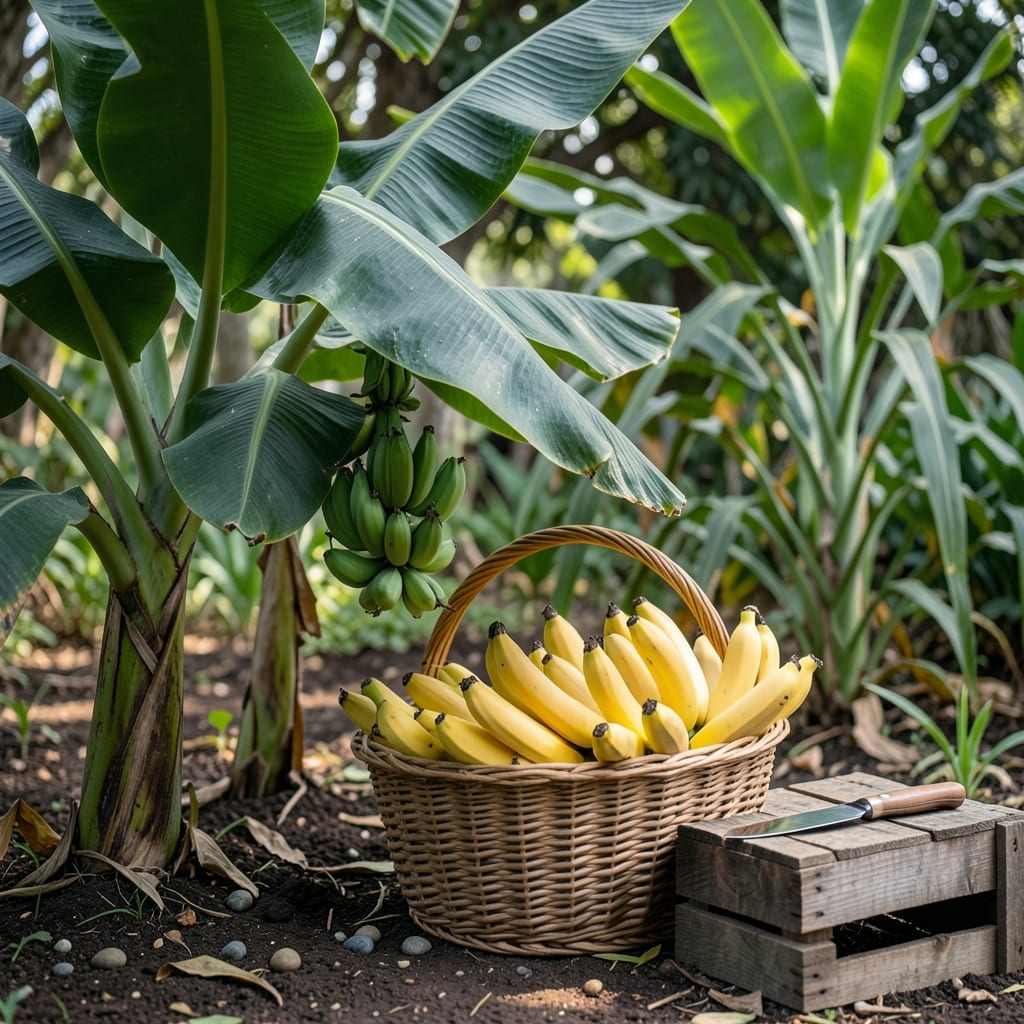
Florida hosts several banana farms primarily in Miami-Dade and Homestead, where tropical climates and rich soil create ideal growing conditions for varieties like Cavendish and plantains.
I’ve found that these regions thrive because of their warm year-round temperatures and consistent rainfall. 🌟 The sandy, well-draining soil here prevents root rot, which is critical for banana plants. What’s more, local farmers often use windbreaks to protect crops from hurricanes, a common challenge in this part of the state.
💡 In This Article
Banana plants thrive in Florida’s USDA Hardiness Zones 10-11, where temperatures rarely dip below 30°F. The region’s consistent warmth of 78-86°F accelerates growth, while high humidity above 60% mimics the tropical climates of their native Southeast Asia. This environment allows plants to photosynthesize year-round, unlike in cooler states where growth stalls in winter. 🔥
The soil in Miami-Dade and Homestead is naturally sandy, providing the excellent drainage banana roots require. These soils also have a slightly acidic pH of 5.5-6.5, which optimizes nutrient uptake. Farmers often amend the soil with organic matter like compost to improve water retention without compromising drainage.
The region’s limestone bedrock adds calcium and magnesium, essential for strong plant development.
Rainfall averages 60-70 inches annually, reducing the need for irrigation but requiring careful water management. Too much moisture can lead to fungal diseases like Sigatoka leaf spot, so many farms use drip irrigation and raised beds.
Windbreaks, such as rows of palm trees, are strategically planted to protect the banana plants from hurricane-force winds that can snap their shallow root systems. ✨
What many don’t realize is that Florida’s frequent lightning storms naturally fertilize the soil by converting atmospheric nitrogen into a plant-usable form. This free, organic nitrogen source gives local banana farms a subtle but meaningful advantage over other growing regions.
Combined with the long growing season, these conditions allow Florida farmers to harvest bananas nearly year-round, unlike seasonal production in other parts of the world.
Microclimates within these regions also play a role. Areas closer to the coast benefit from moderating sea breezes, while inland spots may experience slightly more extreme temperatures. Savvy farmers select planting sites based on these nuances, often placing more cold-sensitive varieties like Ice Cream bananas in the warmest microclimates. 💫
Miami-Dade and Homestead lead production due to their tropical climate and sandy, well-draining soil. These areas offer year-round warmth and 60-70 inches of annual rainfall.
Windbreaks, like palm tree rows, protect shallow banana roots from hurricane-force winds that can uproot plants. They also reduce wind damage to leaves and fruit.
Yes! Dwarf varieties like Dwarf Cavendish thrive in small spaces. Ensure good drainage, 5.5-6.5 pH soil, and protection from cold snaps below 30°F.
Most farms harvest from June to October. This period offers the sweetest, most aromatic fruit, though Florida’s climate allows near year-round production.