
Beautiful Plants For Your Interior
Beautiful Plants For Your Interior
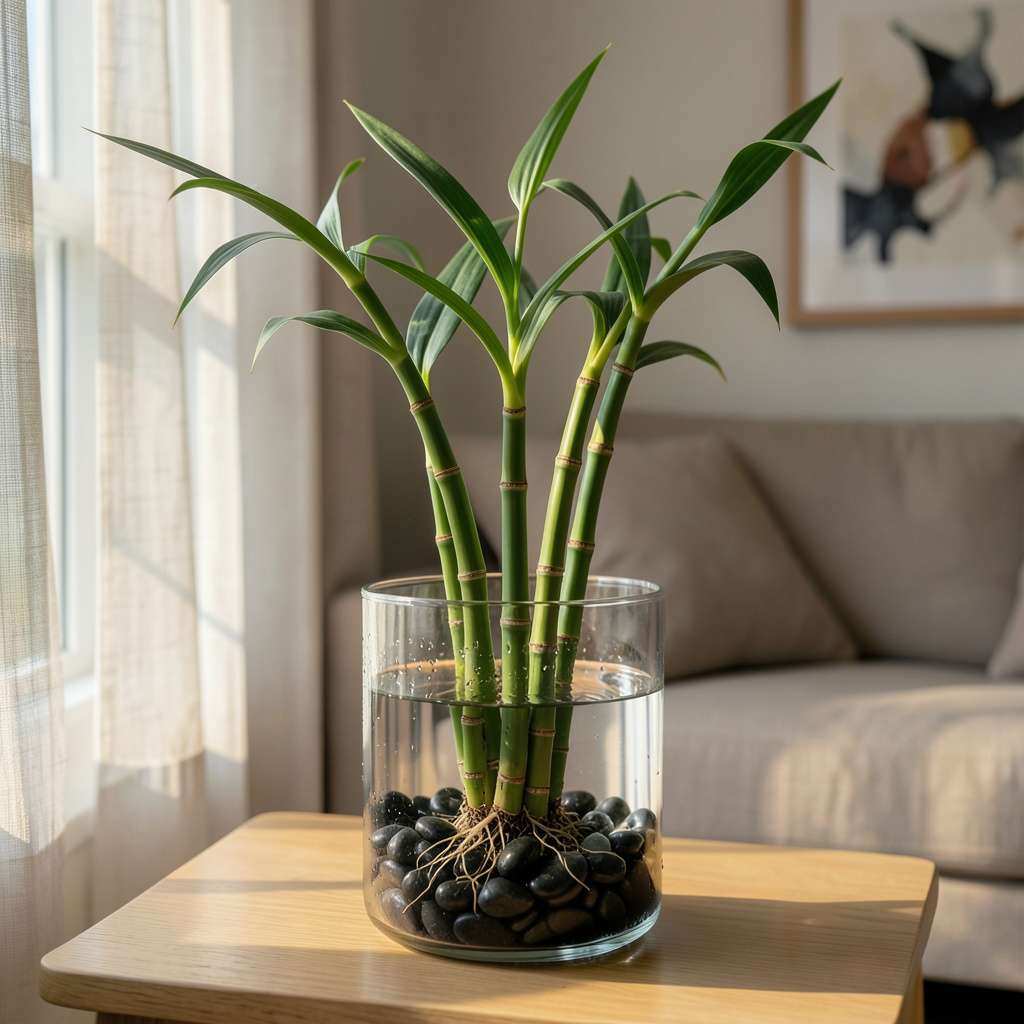
A bamboo terrarium is a self-sustaining miniature ecosystem featuring lucky bamboo in a glass container with pebbles, soil, and decorative elements. It thrives in indirect light with minimal watering, making it ideal for low-maintenance indoor greenery.
These captivating mini gardens work their magic through a delicate balance of moisture and airflow. 🌿 The glass enclosure traps humidity while allowing just enough light to filter through—creating the perfect microclimate for bamboo to thrive. What I love most is how the layered materials (like charcoal and moss) naturally filter water and prevent root rot, making maintenance almost effortless.
Unlike traditional houseplants, these terrariums become more fascinating over time as the bamboo grows and the ecosystem evolves. They’re perfect for busy plant lovers or anyone wanting to bring a touch of nature into small spaces like apartments or offices. The key is choosing the right container size and companion plants that share similar care needs.
💡 In This Article
The magic happens through a closed-loop water cycle inside the glass container. When you water the bamboo, moisture evaporates and condenses on the glass walls, then drips back down—mimicking natural rainfall. This creates a consistent humidity level of 60-80%, which lucky bamboo (Dracaena sanderiana) absolutely thrives in.
The glass acts like a greenhouse, trapping warmth while allowing filtered light to penetrate.
Here’s what’s actually happening beneath the surface: The layered base (typically 1-2 inches of pebbles, ½ inch of activated charcoal, and 2-3 inches of well-draining soil) works together like a natural filtration system. The pebbles create air pockets for root aeration, while the charcoal absorbs impurities and prevents bacterial growth.
🌱 This setup allows the bamboo roots to breathe while maintaining perfect moisture balance—no soggy soil here!
Lucky bamboo’s hardiness plays a crucial role in this ecosystem. Unlike fussy tropical plants, it tolerates low light conditions (as little as 2-4 hours of indirect sunlight daily) and can survive with watering just every 2-3 weeks. The plant’s slow growth rate means it won’t outgrow your terrarium quickly.
What most people don’t realize is that the bamboo actually helps regulate the environment by releasing oxygen and absorbing carbon dioxide through its leaves.
The real secret lies in the terrarium’s ability to maintain equilibrium. As the bamboo transpires (releases water vapor), it increases humidity, which then condenses and recycles back to the soil. This creates a self-watering effect where the plant gets exactly what it needs without human intervention.
💧 The glass walls also diffuse harsh light, protecting the leaves from sunburn while still providing enough energy for photosynthesis.
Temperature stability is another hidden benefit. The enclosed space buffers against rapid temperature changes, keeping the environment within the ideal 65-80°F range that bamboo prefers. This is why terrariums work so well in offices with fluctuating thermostats or drafty windows. The ecosystem essentially becomes its own little climate-controlled bubble.
Consider these key factors that make the system work so well:
What I find most fascinating is how this miniature world develops its own microclimate over time. You might notice tiny water droplets forming beautiful patterns on the glass in the mornings, or see how the bamboo leaves orient themselves toward the light source.
✨ Each terrarium becomes unique as the plants grow and the ecosystem finds its perfect balance.
Once established, water only every 2-3 weeks with 2-3 tablespoons of distilled water. The closed system recycles moisture naturally. Overwatering is the #1 killer—wait until the topsoil feels dry before adding more.
Yellowing typically signals either too much direct sunlight or chlorine in your water. Move to brighter indirect light and switch to distilled/filtered water. Trim affected leaves at the base—they won’t recover but new growth will be healthy.
Regular soil compacts too much and retains excessive moisture. Use a well-draining tropical mix with perlite or orchid bark. For best results, create your own blend: 60% potting soil + 30% perlite + 10% charcoal.
Start with a 5-7 inch diameter glass bowl or vase. This gives roots room to grow while keeping maintenance simple. Larger containers (>10 inches) require more precise watering balance and are better for experienced terrarium keepers.
Use a soft paintbrush or makeup brush to gently remove dust from leaves and glass. For water spots, dampen a microfiber cloth with distilled water only—never glass cleaner. Clean during daytime when plants are most resilient.
