
Beautiful Plants For Your Interior
Beautiful Plants For Your Interior
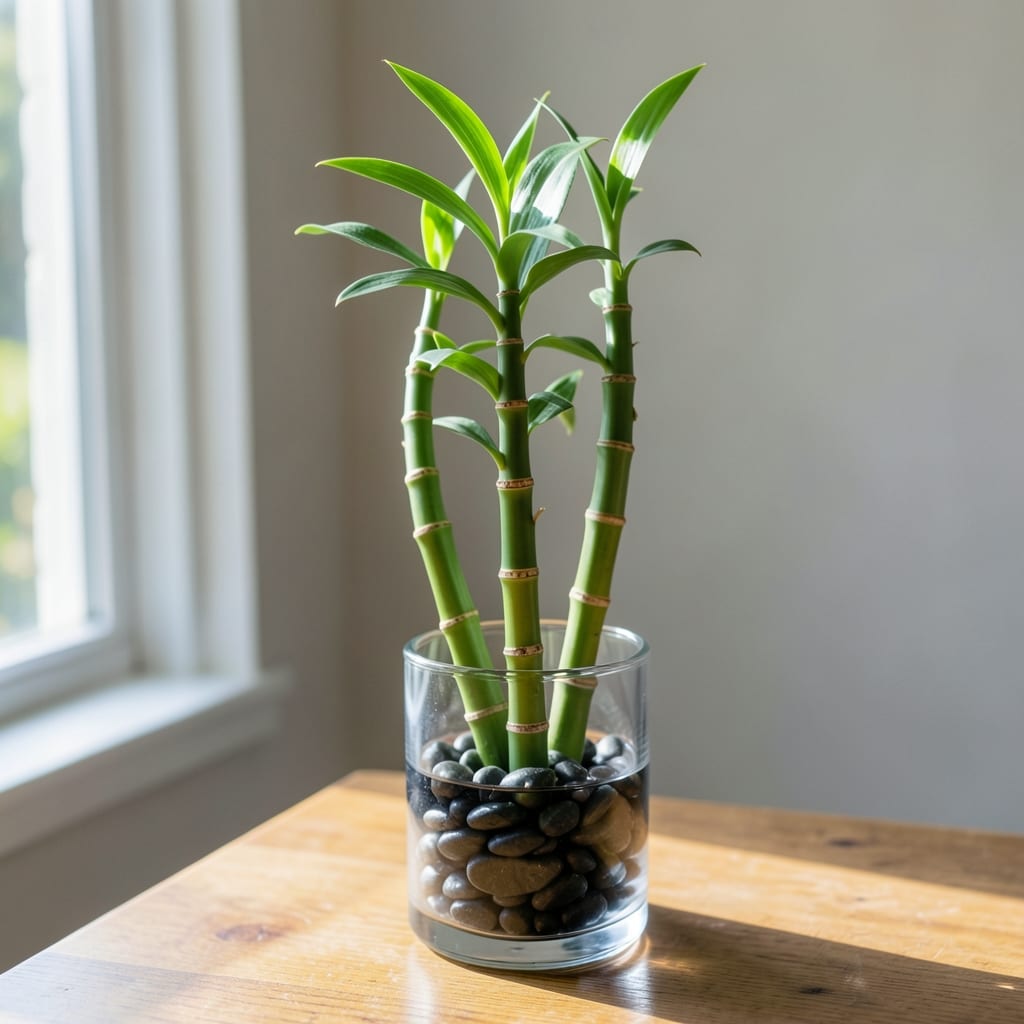
Several cold-hardy bamboo varieties thrive in Chicago’s climate, including Fargesia and Phyllostachys species. These tolerate temperatures down to -20°F when planted in well-drained soil and sheltered locations.
I’ve had great success with clumping types like Fargesia robusta because they stay contained and handle windy conditions well. The key is choosing running varieties only if you have space for rhizome barriers. Chicago’s zone 5 winters are no match for these resilient plants when given proper protection. ✨
Early spring or fall planting gives roots time to establish before extreme temperatures hit. A thick layer of mulch helps insulate the soil during those sub-zero nights we often get. 💫
💡 In This Article
Fargesia species develop a unique fibrous root system that stores energy efficiently, allowing them to survive -20°F temperatures without dieback. Their clumping nature means they expand slowly outward rather than spreading aggressively like running bamboos. This makes them ideal for urban gardens where space is limited. 🔥
Phyllostachys bissetii is one of the hardiest running bamboos, tolerating -15°F when established. It achieves this through rhizome depth—its underground stems grow 12-18 inches deep, where soil temperatures remain more stable. The culms also have a higher silica content, which strengthens cell walls against freezing. ✨
What sets these varieties apart is their cold acclimation process. As days shorten in fall, they produce antifreeze proteins and increase soluble sugars in their cells. This lowers the freezing point of water within their tissues, preventing ice crystal damage.
You’ll notice the leaves curl slightly in cold weather—a protective mechanism to reduce surface area exposed to wind. 💫
For Chicago’s windy conditions, Fargesia nitida is exceptional. Its dense foliage creates a natural windbreak, while its culms have a flexible structure that bends rather than snaps in strong gusts. This variety also recovers quickly from winter burn, producing new shoots in early spring even after harsh winters. ⚡
The secret to their survival lies in their native origins. Most cold-hardy bamboos come from high-altitude regions in China where temperatures regularly drop below freezing. This evolutionary background gives them the genetic adaptability to handle Chicago’s temperature swings between 20°F days and -10°F nights. 🌟
Clumping Fargesia varieties like Fargesia robusta and Fargesia nitida handle -20°F temperatures best. Running types like Phyllostachys bissetii also work but need rhizome barriers.
Plant in early spring or early fall to give roots time to establish before extreme weather. Avoid summer planting when heat stress is highest.
For running varieties, install HDPE rhizome barriers at least 30 inches deep. Clumping types stay contained naturally. Check barriers annually for gaps.
Use well-draining soil with 3-4 inches of compost mixed in. Avoid heavy clay soils that retain too much moisture in winter.
Yes! Use pots at least 18 inches wide with drainage holes. Add 2-3 inches of mulch in winter for root protection.